
 XM
XM Bybit
Bybit Binance
 Robinhood
 Webull
 IC Markets
 Pepperstone
 OKX
OKX Vantage
 VT Markets
 BingX
BingX Gate.io
 Kucoin
 MEXC
MEXC Exness
 Bitget
What is a Cold Wallet? You’ve probably wondered about this when encountering the term “cold wallet” in some articles. Along with it, people often mention “hot wallet” as well. So, in detail, what is a cold storage wallet? What is a cold Bitcoin wallet? Where can you buy a reliable cold wallet, and which cold wallet is the best? Today’s article will help you answer these questions. Additionally, the article will also compare the differences between cold wallets and hot wallets so you can understand how they differ.
1. WHAT IS A COLD WALLET?
A cold wallet, also known as a cold storage wallet in the cryptocurrency market, is a type of wallet where you can store and manage your digital assets. Therefore, it’s also referred to as a crypto cold wallet. But how is it different from traditional electronic wallets?
Of course, there are differences. A cold wallet, also known as a hardware wallet, stores your cryptocurrency entirely offline. It looks similar to a USB stick. This design helps protect the wallet from hackers and online attacks. Since all activities take place offline, a cold wallet does not have the backups that other types of digital wallets might offer. The price of cold wallets typically ranges around $100 but can go up to $200. Some popular cold wallets include Ledger, Trezor, SafePal, and others.
2. FEATURES OF COLD WALLETS
Cold wallets offer several advantages compared to other types of cryptocurrency wallets. Cold wallets are mainly used when users want to send and ensure the safety of their digital assets from online attacks. However, there are also risks associated with cold wallets if you lose the physical hardware. Let’s explore the features of cold wallets:
– Offline Storage Wallets: Unlike the popular online wallets available in the market, cold storage wallets like the Ledger do not use the internet and are not connected to the blockchain.
– Allows Investors and Traders to Safely Store a Large Amount of Coins: Cold wallets are more secure for storing large amounts of cryptocurrency.

– Additional Security Layer: Users can add an extra layer of security by setting a PIN code.
– No Online Backup: Since cold wallets do not have online backups, users must manually back up the necessary information.
– Compatibility: Cold wallets are compatible with most operating systems available today.
3. HOW TO USE A COLD WALLET
Before discussing how to use a cold wallet, let’s first understand how to create one and whether the process is really simple. As mentioned earlier, when you purchase a cold wallet, you will receive a physical hardware device, often resembling a USB stick. You will need to pay for this device, as it is not free like online wallets.
Here’s a general guide on how to use a cold wallet:
– Purchase a Cold Wallet: The process of purchasing a cold wallet, where to buy it, and which cold wallet to choose will be explained in more detail in the next section.
– Install Software: Each cold wallet may have different setup processes. Once you buy a cold wallet, visit the official website to download the software and follow the instructions to set it up.

– Transfer Cryptocurrency to Your Cold Wallet: Note that you cannot perform cryptocurrency buying or selling transactions within the cold wallet itself; it is primarily for transferring coins or tokens. The process of transferring coins to a cold wallet may vary between different cold wallet types, so be sure to read the user guide provided by the seller of your cold wallet.
4. WHERE TO BUY A RELIABLE COLD WALLET?
The question of where to buy a reliable cold wallet, which is the best cold wallet, or which cold wallet is the safest, is a common concern for many traders. Even experienced traders and investors want their cryptocurrency storage to be secure, and they seek the best cold wallet for this purpose. Here are some popular and trusted cold wallet brands that crypto traders commonly use today.
4.1. Ledger Cold Wallet
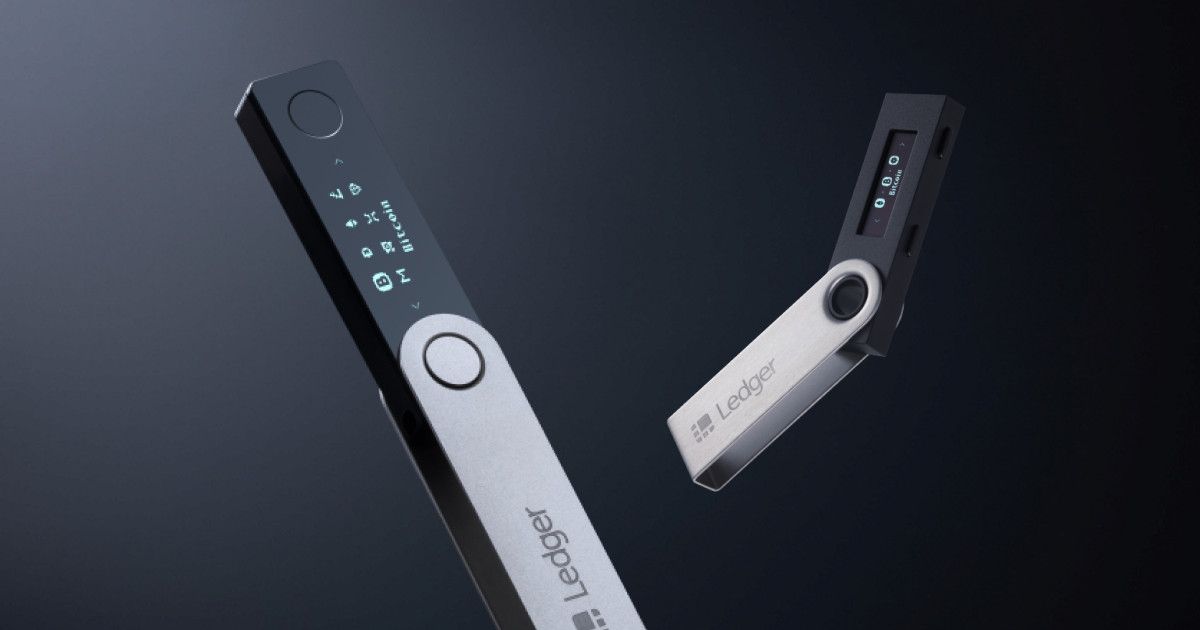
This is the second generation of the Ledger cold wallet, following the previous model, the Ledger Nano X. You can purchase the Ledger cold wallet for around $120. This cold wallet supports over 1,800 types of cryptocurrencies and tokens, including BTC, ETH, and more. You can connect the Ledger wallet to a computer through a USB-like device, and also connect it to a smartphone using Bluetooth technology. Users can create multiple cold wallets for different cryptocurrencies, for example, a Bitcoin cold wallet on the Ledger Live platform.
4.2. Trezor Cold Wallet
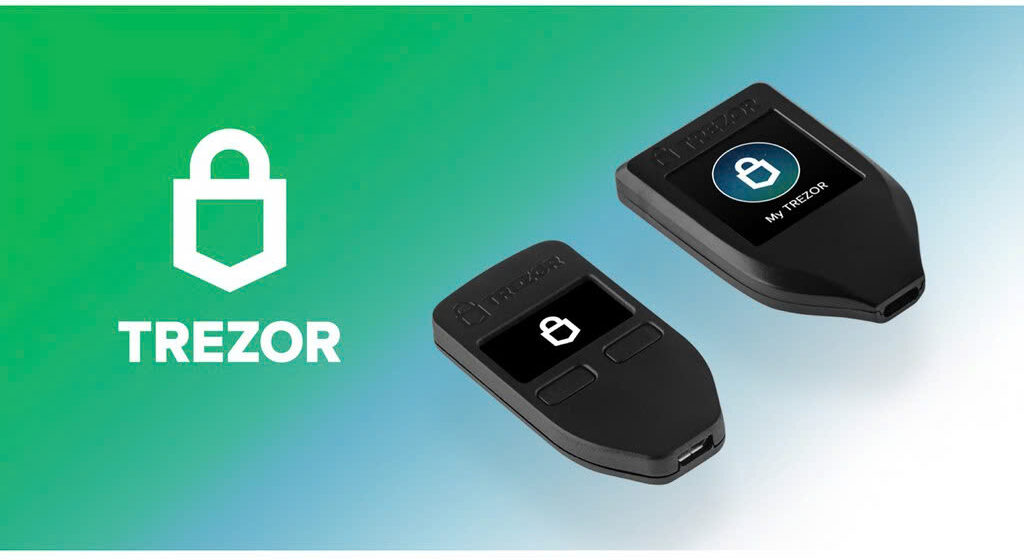
You will need to spend approximately 160 EUR to purchase a Trezor cold wallet. This cold wallet is similar to the Ledger wallet, but what makes Trezor more expensive than Ledger is its ability to connect with third-party exchanges via the Trezor internet interface. Additionally, if your device experiences issues or malfunctions, you can still recover your cryptocurrency using the 16-share Shamir Backup setup.
4.3. SafePal Cold Wallet
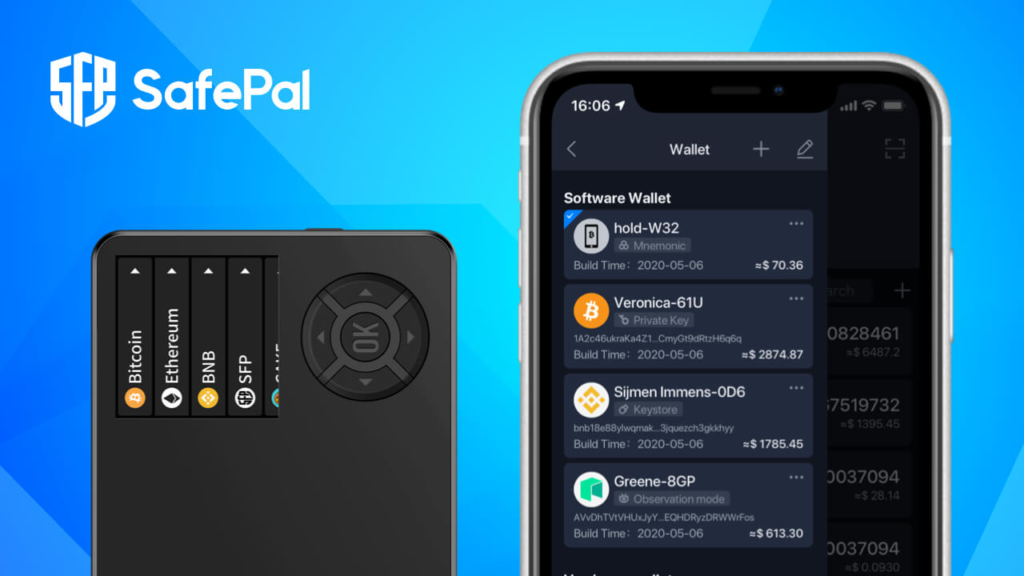
This is the most affordable cold wallet introduced in today’s article. You will only need to spend around 40$ to purchase the SafePal cold wallet, which is about one-third the price of the Ledger wallet. It connects to the SafePal app via QR code. Currently, this cold wallet supports over 10,000 tokens, including NFTs. Additionally, the SafePal brand is backed by the Binance exchange.
5. COMPARISON BETWEEN COLD WALLET AND HOT WALLET
In addition to cold wallets, there is another type of cryptocurrency storage wallet known as hot wallets. Both hot and cold wallets are widely used by traders and investors to store cryptocurrencies. The main difference between the two is that hot wallets are connected to the internet and operate online, while cold wallets store coins offline. Here’s a comparison between the two:
| Hot Wallet | Cold Wallet | |
|---|---|---|
| Definition | Cryptocurrency wallet connected to the internet, storing everything online. | Also called hardware wallets, they store coins offline. |
| Operation Mechanism | Directly connected to exchanges via the internet. Coin transfers to the wallet are quick and easy. | Initially connected to exchanges to transfer coins, then the private key is signed offline. |
| Types | Available on cryptocurrency exchanges like Binance, Coinbase, etc. | Cold wallets are usually divided into paper wallets and hardware wallets. |
| Security | Vulnerable to attacks from hackers and malicious files due to the internet connection. | Private keys are never exposed online, making this wallet type much more secure. |
In conclusion, whether you choose a hot or cold wallet depends on your specific needs for storing coins. However, no matter which type you choose, it’s crucial to ensure that you control the security keys of your wallet.
6. CONCLUSION
In today’s article, Forex aimed to clarify what cold wallets are, including what Bitcoin and Binance cold wallets are. It’s important for new traders to understand the differences between cold and hot wallets and to avoid confusion when choosing between wallets like MetaMask or hot wallets. Through this article, you should have a clear understanding of the advantages and disadvantages of both types of wallets.
For professional traders and investors, it’s common to use both cold and hot wallets to maximize the benefits of each. When considering long-term use, a cold wallet doesn’t have to be an expensive investment.
- t.me/finance_solutes
- Website: https://finance-solutes.com
- Hotline: +1 929 5636 439 ( Hotline )
- 26 Broadway, Suite 934, New York, 10004, US
