
 XM
XM Bybit
Bybit Binance
 Robinhood
 Webull
 IC Markets
 Pepperstone
 OKX
OKX Vantage
 VT Markets
 BingX
BingX Gate.io
 Kucoin
 MEXC
MEXC Exness
 Bitget
To fully understand what bonds are and how to invest in them effectively, you need to grasp all the essential information about them. It’s important to distinguish between different types of bonds and understand the key differences between bonds and stocks in order to make the best use of them. Let’s explore all the comprehensive details about bonds right now.
What is a bond? What is the bond market?
When investors spend money to purchase a bond, the bond is considered a debt certificate that the issuer must repay to the investors with a fixed interest rate over a specified period. The issuer of the bond can be businesses, governments, etc.
The bond market, also known as the debt market, is where bonds are bought and sold.
In the bond market, investors are guaranteed their rights regarding principal and interest when the bonds mature. Bond issuers also benefit greatly from issuing bonds, as it allows them to maintain cash flow and have funds available to carry out their business activities.
General Characteristics
To invest in bonds effectively, investors need to clearly understand the characteristics of bonds and the benefits of different types of bonds.
- Bondholders, also called creditors, are not legally responsible for the efficiency of the use of the borrowed funds.
- To purchase bonds, you only need to be a legal adult citizen, and anyone can buy bonds. The bond will contain information about the buyer, including the bondholder’s name. Bonds that are issued in the bondholder’s name are called registered bonds, while those without the bondholder’s name are called bearer bonds.
- Currently, there are three entities authorized to issue bonds: the State Treasury (these are called treasury bonds), bonds issued by businesses, and bonds issued by the government, called government bonds.
- The profits of bond investors will always remain stable over time and will not be affected by factors such as the issuer’s business turnover or the efficiency of the company’s use of the investment funds provided by bond investors.
- Bond issuers are responsible for fulfilling their obligations regarding interest payments to investors and adhering to the terms of the bond agreement.
- If the bond issuer suffers losses during production or if the company is dissolved, the issuer must still pay the bondholders’ benefits. Bondholders’ rights take priority over other stakeholders’ interests in the company.
In addition, investors need to understand the market price of bonds. What is the market price of a bond? To conduct a bond transaction, investors need a price, and the price at which bonds are traded on the market at a specific time is called the market price of the bond.
Ways to distinguish types of bonds
Currently, bonds are classified based on various criteria such as yield rate, issuance location, nature, form, and level of safety. There are 5 main classifications:
Classification of Bonds by Issuing Entity
Bonds are classified based on the issuing entity into three types: government, corporate, and financial institutions (banks and other financial entities).
Government Bonds: These are issued by the government to meet state budgetary needs. Government bonds are considered the most reliable and low-risk bonds in the market.
Corporate Bonds: These are issued by limited liability companies or state-owned enterprises as securities to secure stable funding. There are various types of corporate bonds.
Bonds Issued by Banks and Financial Institutions: These bonds are issued to increase operational capital.
Classification of Bonds by Yield
The most important factor for investors when classifying bonds is the yield, which is divided into three types:
Zero-Coupon Bonds: This type of bond is purchased at a lower price than other bonds, and when it matures, the holder receives the principal at face value but no interest.
Fixed-Interest Bonds: The interest rate remains stable over time and is calculated as a percentage of the bond’s face value.
Floating-Interest Bonds: In contrast to fixed-interest bonds, the interest rate varies based on market conditions and the timing of interest payments.
Classification of Bonds by Payment Security
Bonds are divided into two types based on the level of payment security:
- Secured Bonds: These can be further classified into two types:
Collateralized Bonds: The issuer pledges securities to the buyer.
Mortgage Bonds: The issuer secures the bond by pledging real estate. These assets typically have a higher value than the bonds themselves.
- Unsecured Bonds: These bonds are issued without any accompanying assets or third-party guarantee. They are solely based on the issuer’s credibility and the quality of the issuing institution.
Classification of Bonds by Form
Bonds are classified by form into two types:
- Bearer Bonds: The name of the buyer is not recorded on the bond certificate, but all rights to the bond are still fully vested in the bondholder.
- Registered Bonds: The name of the investor is recorded or printed on the bond certificate, and the bond is listed in the bond issuance registry.
Classification of Bonds by Nature
Bonds are classified by nature into three types: callable, convertible, and those that allow stock purchases.
- Callable Bonds: Before the bond matures, the issuer may buy back part or all of the bond.
- Convertible Bonds: These bonds can be converted into shares of the issuing company (usually common stock) under specific conditions.
- Bonds with Stock Purchase Options: The bondholder has the right to purchase a certain number of shares of stock upon selling the bond.
Difference Between Stocks and Bonds
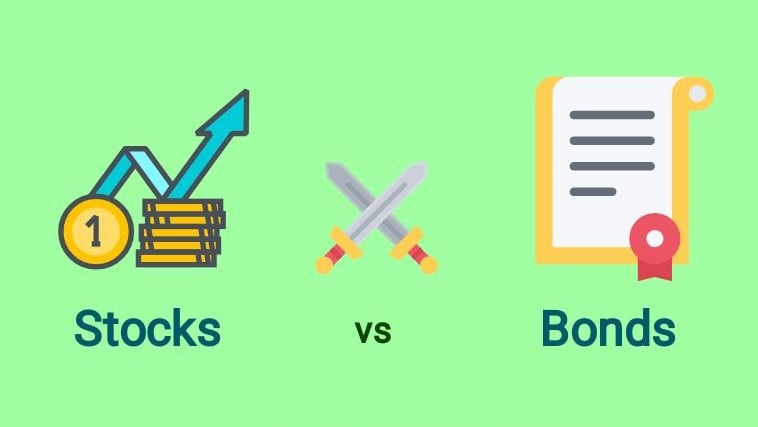
Many investors often fail to distinguish between stocks and bonds and can sometimes confuse the two. In the Vietnamese market, bonds and stocks are two common investment types that many people are familiar with and invest substantial amounts of money into. However, to invest effectively, investors need to understand the nature of both types of securities. We have already discussed what bonds are, so let’s now explore what stocks are.
A stock is also a type of security, issued by joint-stock companies. When investors invest in a company, they receive shares that represent ownership in the company, effectively making them shareholders.
However, unlike bonds, the returns from stocks depend on the revenue and business performance of the company issuing the stock. This means the returns upon maturity are unstable. If the company incurs losses, stock investors will face losses as well. Conversely, if the company generates high profits, stock investors will benefit from substantial returns.
Similarities and Differences Between Bonds and Stocks
Similarities:
- Both bonds and stocks serve as confirmation of the rights of investors when they invest in bonds or stocks issued by the issuing entities.
- All information regarding bonds, stocks, and returns is displayed through electronic data, certificates, and ledger entries.
- Both types of securities can be transferred, pledged, mortgaged, or even bought and sold.
- Investors receive returns from investing in both bonds and stocks.
- Both bonds and stocks are used by issuing entities to raise capital and stabilize finances.
Differences:
To best understand bonds and stocks, it is necessary to identify the differences between them. The differences between bonds and stocks can be shown through the following factors: Issuer, nature, yield, source of payment, term, rights and priorities for investors.
Issuer:
- Bonds: Issued by businesses or governments.
- Stocks: Issued by joint-stock companies.
Nature:
- Bonds: Issuers increase debt, not equity.
- Stocks: Issuers increase equity, raising the company’s ownership capital.
Investor Returns:
- Bonds: Investors receive fixed interest payments, regardless of the issuer’s business performance.
- Stocks: Investors receive dividends, which vary depending on the company’s business performance.
Source of Returns:
- Bonds: Pre-tax expenses.
- Stocks: After-tax profits.
Maturity:
- Bonds: Have a defined maturity period with a specified repayment date.
- Stocks: No defined maturity period, and there is no direct repayment.
Investor Rights:
- Bonds: Bondholders have no voting rights or involvement in company operations and cannot apply for company positions.
- Stocks: Shareholders have voting rights, can participate in company operations, and have the right to apply for positions within the company.
Priority in Returns:
- Bonds: In the event of company bankruptcy or liquidation, bondholders are prioritized for repayment of both principal and interest, thus posing lower risk.
- Stocks: In the event of company bankruptcy or liquidation, stockholders are last in line for repayment, making their investments riskier.
Problems encountered when investing in bonds
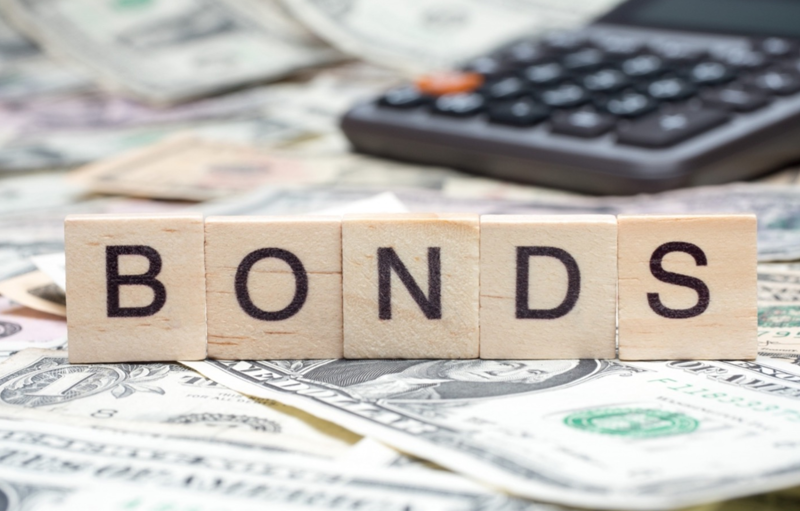
Benefits:
- Some types of bonds allow investors to be exempt from personal income tax.
- Stable interest rates and stable income since bond investors are not dependent on the issuer, regardless of market conditions.
- Lower risk compared to other investment sectors.
- Priority in receiving interest payments when the issuer faces financial difficulties.
Risks:
Despite the benefits of investing in bonds, investors should be aware of potential risks and develop strategies to mitigate them:
Interest Rate Risk: Experienced investors share that interest rates have an inverse relationship with bond prices, which is why they often avoid bonds with low yields when interest rates rise. This leads to an excess supply and low demand, causing bond prices to decrease.
Reinvestment Risk: Issuers may choose to recall the bonds when interest rates are low. This will return the principal amount to investors before maturity, but the value will be lower and only slightly above the bond’s face value, offering a low interest rate.
Inflation Risk: When investing in bonds, investors receive a large sum of money, including both principal and interest over the investment period. However, if inflation occurs, the amount of capital needed to purchase bonds increases, reducing bond demand and potentially resulting in negative yields.
Credit Risk: Government-issued bonds are guaranteed, whereas corporate bonds are not. Corporate bonds depend on the financial stability of the issuing company. Therefore, if the issuer faces a credit crisis, investors need to conduct thorough research before deciding to purchase bonds from any specific company to avoid credit risk.
Should investors invest in bonds?

Surely, with the information above, investors should now know what bonds are and how to distinguish them from stocks. However, when starting to participate in this market, investors need to carefully consider the type of bonds and the issuer to avoid potential risks. Investors can choose some safe types of bonds using the following methods:
- Choose issuers that have been operating for many years in the market and provide transparent information.
- Ensure the issuer has a solid financial foundation, stable capital, and a safe debt level.
- The company’s leadership should have extensive experience and a high level of credibility.
- The business should have high growth potential and be sustainable.
For investors with good finances and idle funds, who also lack time to carry out many transactions and research the market, investing in bonds is a good choice for generating profits.
The above information should help you understand what bonds are and the related issues you need to know. Having a clear understanding of bonds is essential if you want to invest in this field. Thank you for following this article, and be sure to carefully consider your choices to invest effectively.
- t.me/finance_solutes
- Website: https://finance-solutes.com
- Hotline: +1 929 5636 439 ( Hotline )
- 26 Broadway, Suite 934, New York, 10004, US
