
 XM
XM Bybit
Bybit Binance
 Robinhood
 Webull
 IC Markets
 Pepperstone
 OKX
OKX Vantage
 VT Markets
 BingX
BingX Gate.io
 Kucoin
 MEXC
MEXC Exness
 Bitget
LIBOR stands for London InterBank Offered Rate – a type of interest rate that can be used for interbank transactions in London. This rate is applied to short-term loans between international banks. It is a widely used benchmark interest rate because it can adjust loans and credit card rates when interest rates change. To better understand what LIBOR is and its nature, let’s take a closer look at it with Forex.
What is the nature of LIBOR interest rate?
LIBOR is the average interest rate that many international banks apply when lending to each other. It is considered the global benchmark rate and is quoted in various currencies, including USD, EUR, GBP, JPY, and CHF. It has seven maturity periods, which are overnight, weekly, monthly, two-month, three-month, six-month, and one-year interest rates.
LIBOR includes a total of 35 interest rates, with the 3-month LIBOR being the most widely applied, often in USD, and it is referred to as the current interest rate.
LIBOR is also considered the base rate for consumer loans in many countries worldwide, so it has an impact on users similarly to financial corporations.

Interest rates are applied to loans for purchasing cars, credit cards, and various other mortgages, and can fluctuate based on interbank interest rates. The variation in these rates shows how easily banks can lend money to consumers.
Characteristics of the LIBOR Interest Rate
The London Interbank Offered Rate (LIBOR) was established in 1986 as the most common exchange rate in the banking industry. Many international banks regularly offer loans to each other to prevent supply from exceeding demand. With the creation of the LIBOR – a floating interest rate – this common method allows traders to maintain the necessary liquidity. The rates can change over periods ranging from one day to one year and are used for various widely traded currencies globally, such as the US Dollar, British Pound, Japanese Yen, Euro, and Swiss Franc.
The interest rate depends on the terms and currency, and LIBOR can vary for the same loan due to different scales and terms. To determine this index in the financial market, we need factors like the main currency, 16 participating banks, reliability, and validation in the UK, all of which are assessed through various parameters. With the help of many banks, investors have identified the current rate for LIBOR by excluding the four highest and four lowest rates from the list, leaving an average result.
To calculate LIBOR, banks typically follow these methods:
- Based on the reputation of the banks.
- Based on the bank’s activity in the credit market.
- Based on the credit rating of the bank.
In practice, LIBOR is a designated interest rate that plays a significant role in Europe. Its popularity lies in its importance in the global credit market, being completely transparent and easily understandable, even for non-professional traders. Besides the UK, businesses in the US, Switzerland, and Canada also rely on LIBOR. Currently, LIBOR attracts all banks in relation to these loans, which are considered risk-free and are not subject to pressure from government tax rates or financial regulatory agencies. The LIBOR rate is determined daily at the same specific time.
Benefits of LIBOR
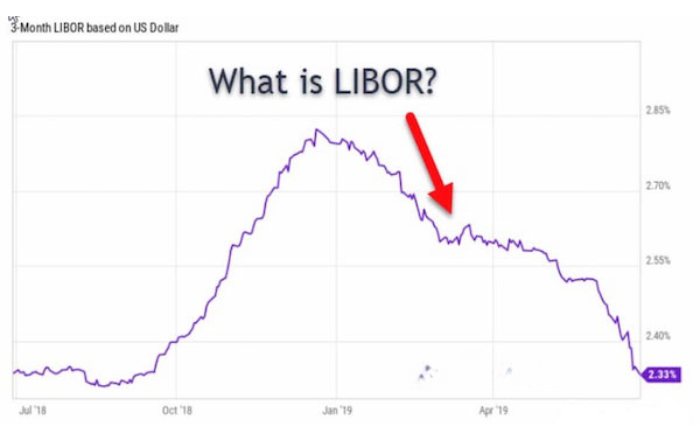
LIBOR is a widely used interest rate in most banks in London and offers several advantages, including:
- Key metrics related to interbank lending
- Long-term usage of this index
- No strict reserve requirements
- Its resolution mechanism is simple and straightforward
- This index is applied to various banking products
- Can be monitored online for issues related to data changes
- A large number of currencies and terms are used in the LIBOR rate table
- The rate is set at a high level by trusted banks
LIBOR is trusted by traders, though there have been instances of manipulation by individuals seeking to benefit from it. While such information has been disclosed, it did not significantly harm the reputation of trading. However, many traders later criticized LIBOR, predicting that this interest rate would be phased out by 2021.
What is LIBOR Used for in Financial Markets?
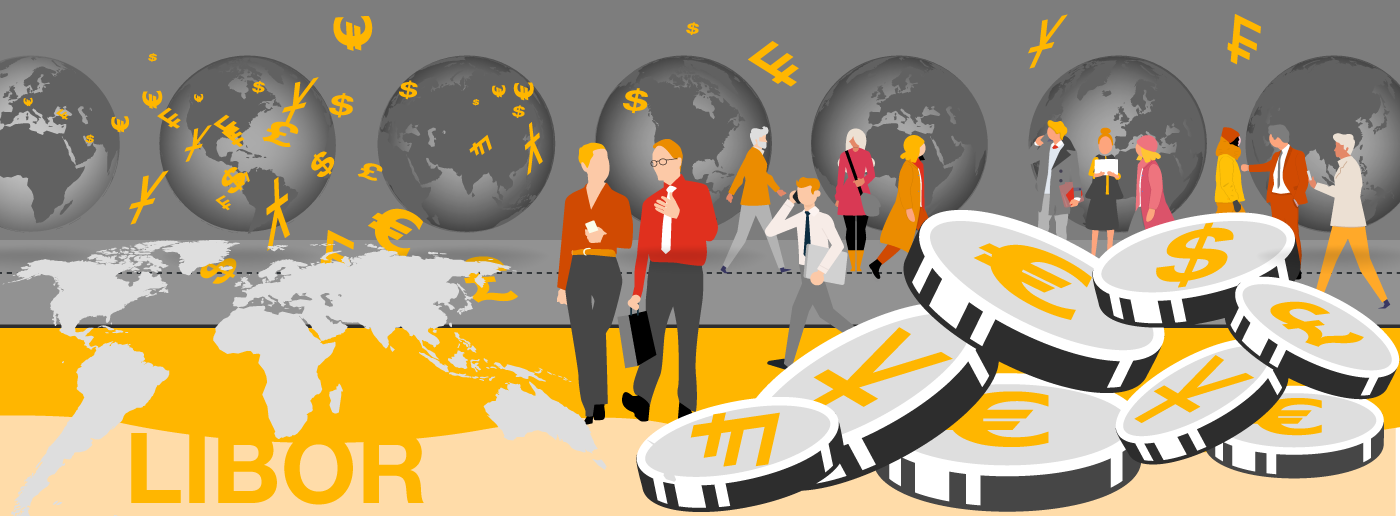
LIBOR is used for a variety of purposes, such as:
- Short-term loans: Traders require accurate and balanced interest rates for short-term loans, and LIBOR serves as the standard applied by many banks globally.
- Foreign currency lending: LIBOR is used for interbank lending in foreign currencies.
- Short-term futures contracts: It is commonly used in short-term futures contracts as a reference rate.
- Long-term deposits: LIBOR also plays a role in determining rates for long-term deposits.
- Swaps: It is used in swap agreements, which involve the exchange of cash flows between two parties based on interest rate movements.
- Variable-rate bonds: LIBOR is referenced in bonds with continuously changing interest rates.
- Syndicated lending: LIBOR is applied to syndicated loans, where multiple lenders participate in a single loan.
- Global currencies: It serves as the benchmark for many of the world’s major currencies, such as USD, EUR, GBP, and others.
- Accounts receivable: LIBOR is also relevant when determining the interest for overdue accounts.
How LIBOR is Determined

As we have learned about what LIBOR is, how can we determine the LIBOR interest rate?
We will begin by understanding how to determine the LIBOR interest rate through the Intercontinental Exchange (ICE) – This is an organization that calculates and publishes the LIBOR interest rate index. Every day, major international banks around the world secretly send their interest rate information for specific lending periods, including overnight rates and 12-month lending rates.
The large global banks will provide information to ICE regarding the costs they charge to other banks for short-term loans.
Once this information is gathered, LIBOR will remove the lowest and highest interest rates, and the remaining rates will be averaged. After the interest rates for the periods and currencies are finalized, LIBOR will announce the result at 11:55 AM London time.
In April 2018, ICE introduced a new proposal to calculate the LIBOR rates, a method based on a layered approach, relying on transactions. The removed data will be referred to as the “Waterfall Methodology,” meaning it applies according to the waterfall method.
When LIBOR tends to rise, the interest that borrowers must pay will also tend to increase. Similarly, if LIBOR tends to decrease, the interest amount that borrowers must pay will decrease. However, if LIBOR decreases, other supporting funds such as pensions and investments tied to the LIBOR interest rate will also decrease, leading to lower returns for investors, which causes them to suffer losses.
Example of LIBOR
Let’s look at a simple example of transactions based on LIBOR, such as bonds with floating interest rates and annual interest payments based on LIBOR, plus 0.5%. If LIBOR changes, the interest rate to be paid will also change accordingly.
LIBOR also allows investors to engage in interest rate swaps – this is when parties agree to exchange information related to interest rate payments at specific times. For example, Paul holds a currency amount of 1 million USD, and the interest rate he receives based on LIBOR is likely to change to LIBOR + 1% each quarter. So, his income will follow the fluctuating LIBOR value, but he wants to convert it to fixed-rate payments. Next, Peter also has a similar investment of 1 million USD, and the fixed interest he receives each quarter is 1.5%. But he wants to change his income, as the new arrangement may offer more.
Both investors have the option to enter into an interest rate swap agreement, exchanging interest rate margins with each other. Paul will receive a fixed interest rate of 1.5% on Peter’s 1 million USD, equaling 15,000 USD, while Peter will receive LIBOR + 1% interest from Paul.
When LIBOR is 1%, Peter receives 2% (20,000 USD) from Paul. This amount is higher than what Peter has to pay Paul, so Peter makes a profit of 5,000 USD. In the next quarter, if LIBOR drops by 0.25%, Peter will receive a profit of 1.25% (12,500 USD), and Paul will receive 1,500 USD from Peter.
Engaging in interest rate swaps essentially allows both traders to meet their needs, whether they want to change their interest rate margin to fixed or floating.
The importance of LIBOR interest rates in global financial markets.
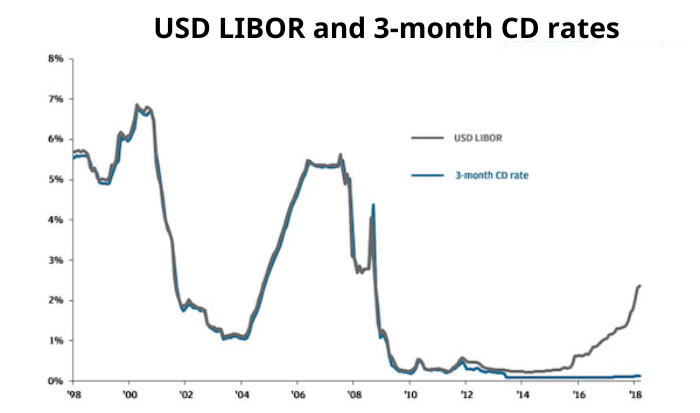
The British Bankers’ Association once commented on LIBOR as the most important global benchmark, highlighting its role in crossing beyond London’s borders. It has gone beyond the scope of Europe to become a significant metric in global financial markets.
Many banks, financial institutions, and credit companies worldwide set their lending interest rates through LIBOR. It is also considered a standard interest rate applied to many contracts worth millions of USD, both for short-term and long-term agreements.
LIBOR is widely used due to its calculation method. It applies the lowest interest rate for loans between banks and financial institutions worldwide. As such, fluctuations in LIBOR can have impacts on various related contracts.
LIBOR not only affects the housing sector but also influences overnight interest rates, futures contracts, student loans, and various fund activities tied to interest rates. In many futures contracts, LIBOR is used to set the price for interest rate contracts related to future periods for insurance companies, particularly in managing interest rate risks.
Beyond this, LIBOR also impacts the forex market since the interest rate is connected to currencies like USD, EUR, GBP, JPY, and CHF. Its effects on the USD are relatively minimal.
LIBOR is closely tied to the EUR/USD exchange rate stored in foreign banks, especially if EUR accounts for 20% of total USD reserves.
However, LIBOR is highly sensitive to movements in the Federal Reserve (FED). When the FED cuts interest rates, LIBOR’s influence tends to decrease.
The information about LIBOR rates shared by Forex aims to help you better understand the nature of this interest rate to apply it effectively in financial markets.
- t.me/finance_solutes
- Website: https://finance-solutes.com
- Hotline: +1 929 5636 439 ( Hotline )
- 26 Broadway, Suite 934, New York, 10004, US
