
 XM
XM Bybit
Bybit Binance
 Robinhood
 Webull
 IC Markets
 Pepperstone
 OKX
OKX Vantage
 VT Markets
 BingX
BingX Gate.io
 Kucoin
 MEXC
MEXC Exness
 Bitget
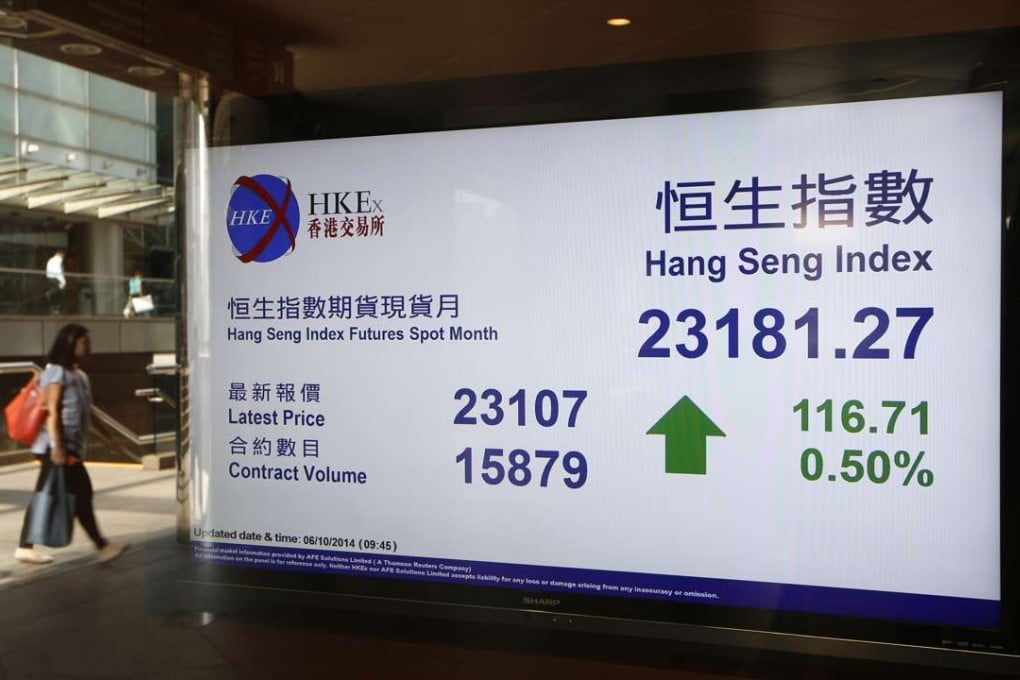
For anyone who is passionate or has played stocks, no one does not know the Hang Seng index. This is a popular index in the Asian stock market, with many characteristics that attract many investors. The article below will help you learn about the Hang Seng index.
What is the Hang Seng Index?
The Hang Seng Index (HSI) is maintained and developed by HSI Services Limited, a subsidiary of Hang Seng Bank, and was established on November 24, 1969. The index is formed based on the market capitalization of more than 50 of the largest companies in the Chinese market, including Hong Kong. In the Hong Kong market, the HSI represents over 60% of the market capitalization.
The Hang Seng Index is often compared to the S&P 500 index in the United States. Its purpose is to reflect the overall performance of the entire Hong Kong market, making it a widely recognized benchmark for market volatility for investors. With the HSI, investors can gain a comprehensive view of the capital status of the Hong Kong stock market. However, Chinese companies are also present in this market since Hong Kong is a Special Administrative Region of Mainland China.
The Hang Seng Index focuses primarily on sectors such as technology, healthcare, construction, consumer goods, and healthcare. Since its establishment, the Hang Seng Index has experienced significant growth, but it does not provide as high returns as stocks or bonds in the long term.
For short-term investors seeking to profit from price fluctuations, leverage trading is a preferred option as it requires less capital investment but allows participation in the market.
Top 10 Companies in the Hang Seng Index
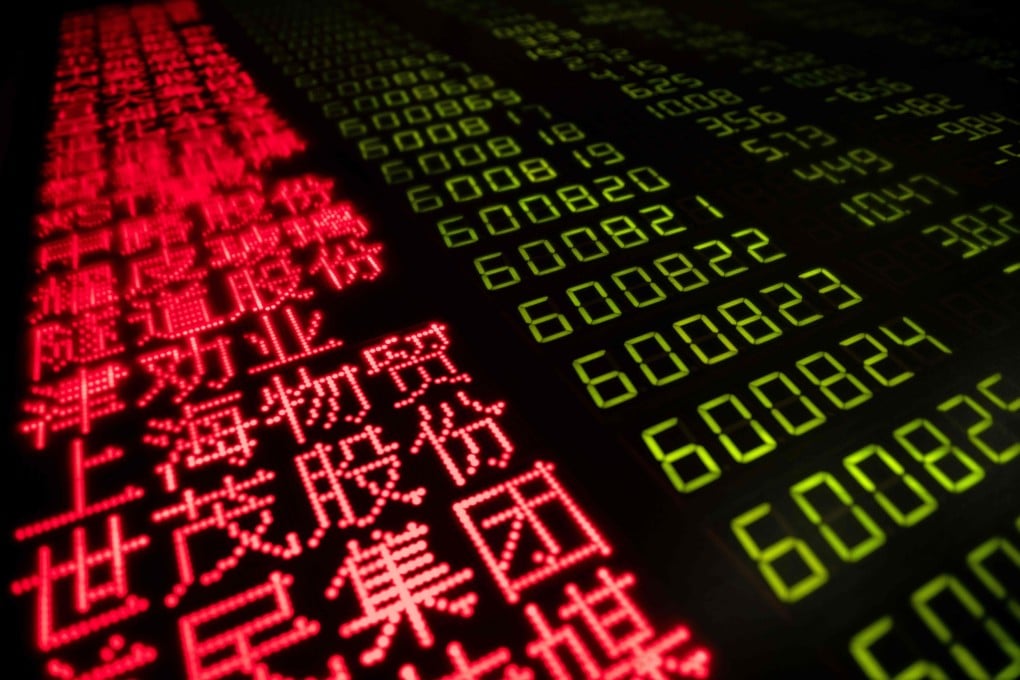
With many benefits for investors in the Hong Kong stock market, large-cap companies are concentrated here. The HSI index categorizes companies into four criteria: finance, real estate, utilities, and commerce & industry.
To have a company listed on the Hang Seng Index, the company must meet the following criteria:
- The company must account for 90% of the total market value of its shareholding market.
- The company’s revenue must account for 90% of the total revenue on the Hong Kong stock exchange.
- The company must have been listed in the last 24 months.
As of May 2021, companies with a high weighting on the HSI index include Tencent Holdings Limited, AIA Group Limited, MEITUAN-W, HSBC Holdings, BABA-SW, and CCB.
How the Hang Seng Index is Calculated
Market Capitalization Calculation
Market capitalization can be calculated based on the public float method, also known as Free-Float. Simply put, HSI does not include shares owned by the government or sponsors, as these are unlikely to be traded on the market.
The Free-Float method gives the least error in reflecting the current market fluctuations, helping investors make more accurate calculations.
HSI Calculation Formula
To calculate the Hang Seng Index, the average Free-Float index of the 50 companies currently trading on the Hong Kong stock exchange is taken.
The index includes the previous day’s closing points, current points, stock volume, company value, and the percentage of freely traded shares.

We have:
- Pt: The stock price of a constituent member on the trading day.
- Pt-1: The stock price of a constituent member on the previous trading day’s closing point.
- IS: The number of shares issued by companies.
- FAF: The adjustment index for the floating level.
- CF: The market capitalization weight ratio, with a value ranging from 0-1, and adjusted each quarter.
Benefits of Investing in the Hang Seng Index
High Growth and Reputation
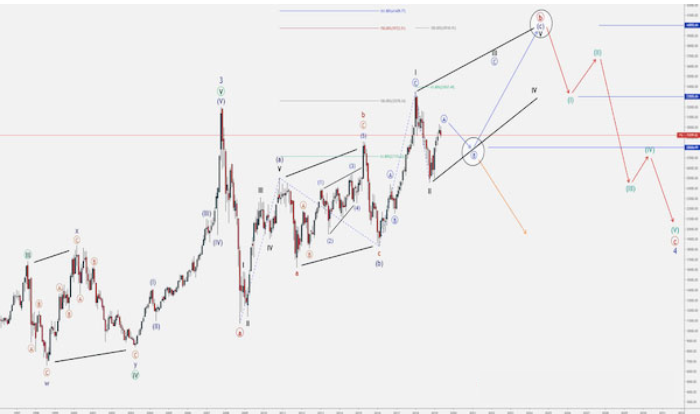
Since its inception, the HSI has grown by 10,000 points in 1993 and has now reached the 30,000-point milestone. Many forecasts suggest that the Hang Seng Index will continue to grow and develop further. This forecast is well-founded, as more and more capital is flowing into the market from Chinese companies, creating favorable conditions for the index to surge.
Helps Investors Access the Asian Financial Market
Thanks to the HSI, international investors can access the Hong Kong market, linking with Chinese companies for potential collaboration and development. The HSI is considered a reliable tool for monitoring high-quality securities.
High Liquidity
With a large trading volume, the Hang Seng Index enjoys relatively high liquidity. Market movements, especially through swing trading, provide significant opportunities for investors. With medium-term trading combined with both technical and fundamental analysis, investors can achieve rapid price movements while minimizing idle time in trading.
Weakening of the US Dollar
The weakening of the US dollar creates favorable conditions for the Hong Kong stock market to attract investments, making the Hang Seng Index more optimistic and positively growing.
Trading Hours of the Hang Seng Index
The Hang Seng Index operates throughout the week, except for Saturdays and Sundays. Specifically, trading sessions are continuous, with no breaks during the trading hours. Each session opens at 3:00 PM and closes at 8:15 AM the following day, making it a favorable trading window for investors in Singapore, as opposed to those in Europe.
How to Trade the Hang Seng Index
What is an ETF?
An ETF, or Exchange-Traded Fund, is a type of fund used by investors to trade the Hang Seng Index. This method is simpler compared to ADRs in the S&P 500 index.
With ETFs, investors contribute money to the fund and then receive a fund certificate, which is a document certifying the investor’s ownership of a portion of the ETF’s assets. International investors tend to avoid this method, as it carries more risk compared to local investors.
Understanding CFDs
CFDs are financial contracts where investors can trade based on the price differences in various markets such as gold, crude oil, forex, or bitcoin.
When investing in stocks, CFDs allow investors to short-sell, providing an opportunity to make profits regardless of market movements.
Additionally, CFDs don’t require ownership of the HSI index itself. Traders only need to predict accurately whether the index will go up or down to make a profit.
To increase potential profits, many brokers offer leverage options to investors. The higher the leverage ratio, the greater the opportunities for trading and profits, but the risk is also considerably higher.
The Hang Seng Index is a promising and important index in today’s trading platforms, helping investors generate profits from trading sessions. We hope the information provided will assist investors in making informed decisions when trading on the Hang Seng Index.
- t.me/finance_solutes
- Website: https://finance-solutes.com
- Hotline: +1 929 5636 439 ( Hotline )
- 26 Broadway, Suite 934, New York, 10004, US
