
 XM
XM Bybit
Bybit Binance
 Robinhood
 Webull
 IC Markets
 Pepperstone
 OKX
OKX Vantage
 VT Markets
 BingX
BingX Gate.io
 Kucoin
 MEXC
MEXC Exness
 Bitget
What factors influence exchange rates? This is a common question for those who are interested in or currently monitoring their country’s economic market. Below, traderforex.io will help you answer this question.
What is an exchange rate?
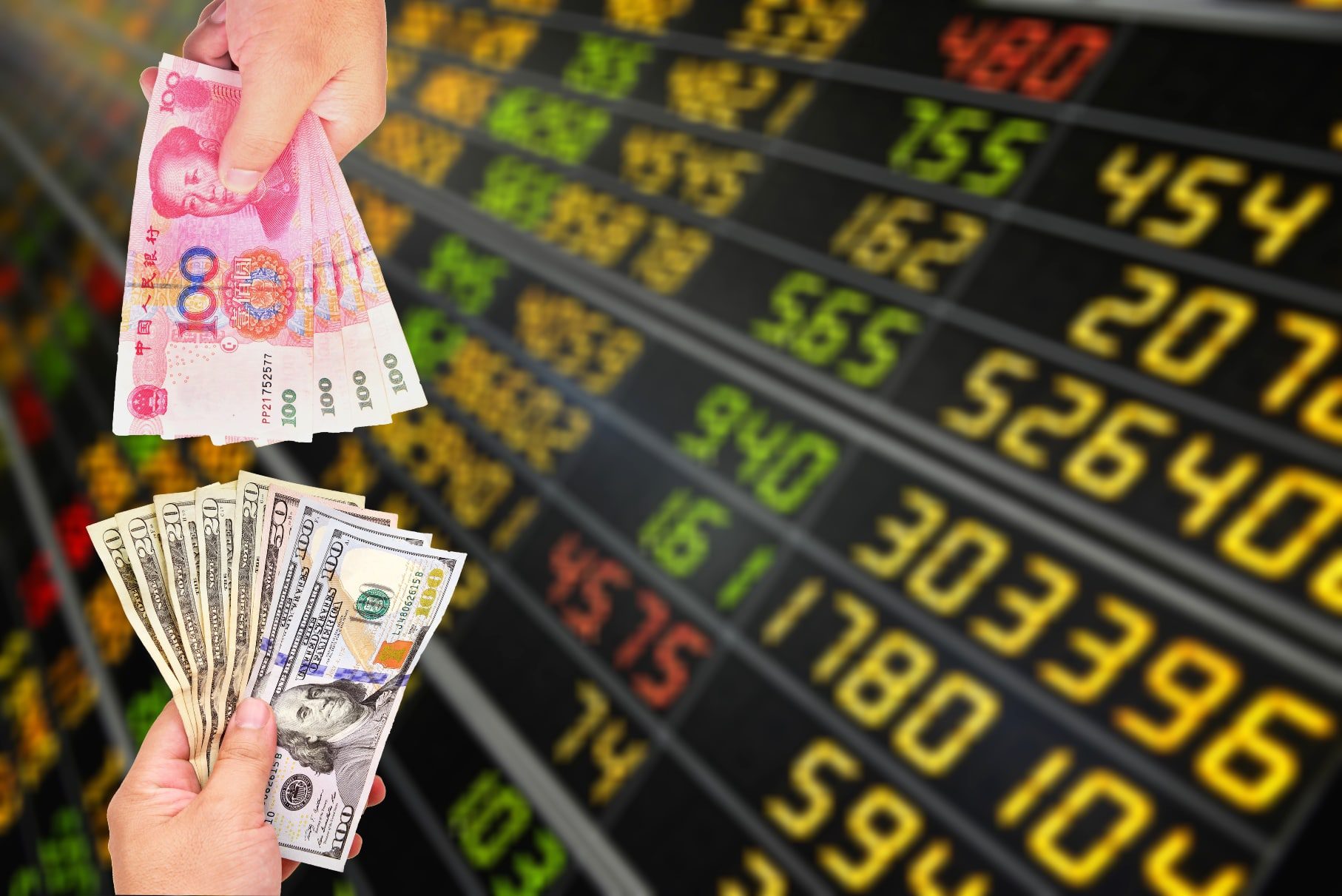
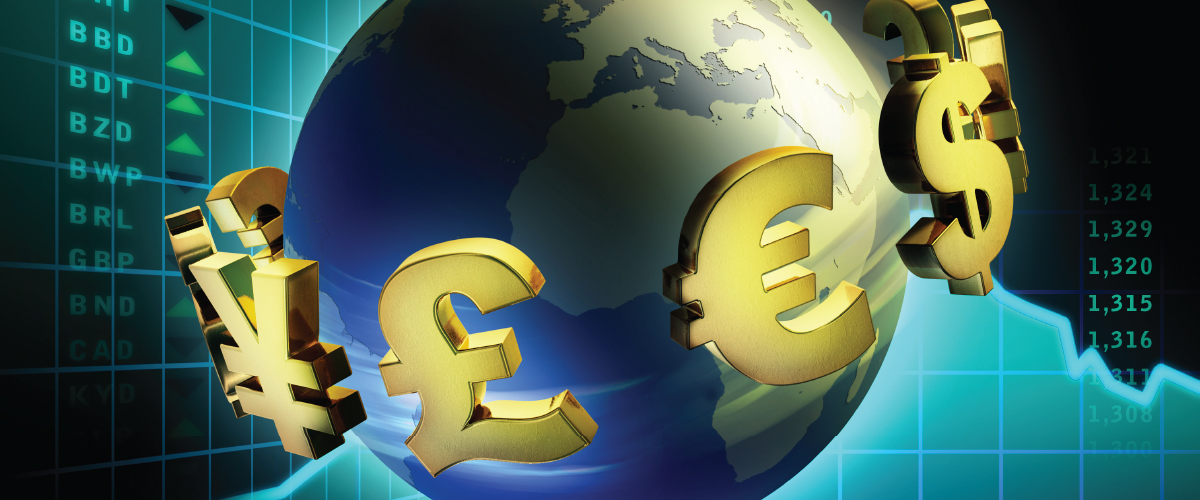
An exchange rate, also known as the foreign exchange rate, is the rate at which one currency can be exchanged for another. In simpler terms, it is the price of one unit of a country’s currency in terms of another country’s currency. In other words, it is the amount of one currency needed to buy a unit of another foreign currency.
Classification of Exchange Rates
Based on the Determining Entity:
If classified based on object, there are currently 2 types of exchange rates including:
- Official Exchange Rate: This rate is determined and published by the State Bank of Vietnam. Based on this official rate, credit institutions or commercial banks can accurately calculate the buying, selling, and exchange rates of a particular currency pair.
- Market Exchange Rate: Unlike the official exchange rate, the market exchange rate is determined based on the supply and demand dynamics within the market.
Based on the Value of the Exchange Rate:
- Nominal Exchange Rate: This is the current exchange rate of a currency, expressed at its present value without taking inflation into account.
- Real Exchange Rate: This is the current exchange rate of a currency, but it factors in the effects of inflation. It also considers the purchasing power of a currency in relation to the goods and services it can purchase in the domestic and international markets. The real exchange rate reflects a country’s international competitiveness.
Based on the Method of Foreign Exchange Transfer:
- Telegraphic Exchange Rate: This is the exchange rate quoted by banks for foreign exchange transactions conducted via telegraphic transfer (electronic transfer). It serves as the basis for determining other types of exchange rates.
- Mail Transfer Exchange Rate: This exchange rate applies to foreign exchange transfers conducted via mail. Typically, the telegraphic exchange rate is higher than the mail transfer exchange rate.
Based on the Time of Foreign Exchange Transaction:
- Buying Exchange Rate: This is the exchange rate at which a bank accepts to buy foreign currency.
- Selling Exchange Rate: This is the exchange rate at which a bank sells foreign currency.
Based on the Settlement Period:
- Spot Exchange Rate: This is the exchange rate quoted at the time of the transaction by financial institutions or mutually agreed upon by both parties. It must adhere to the exchange rate limits set by the State Bank of Vietnam. Settlement between the parties must occur within 2 working days from the trade date.
- Forward Exchange Rate: This exchange rate is calculated by financial institutions or agreed upon between two parties. However, it must fall within the forward exchange rate limits set by the State Bank of Vietnam at the time of contract signing.
Types of Exchange Rate Regimes
Floating Exchange Rate
The floating exchange rate, also known as the flexible exchange rate, is determined based on the supply and demand relationship in the foreign exchange market. Specifically, the change in this exchange rate completely depends on the current market demand and is not subject to any government intervention. The currency using a floating exchange rate is called a floating currency.
Fixed Exchange Rate
The fixed exchange rate regime (also known as the pegged exchange rate) occurs when the value of a currency is tied to the value of another currency or to a measure of value such as gold or silver. Simply put, when the reference value fluctuates, whether it increases or decreases, the value of the pegged currency will correspondingly change. The currency used in this regime is called a fixed currency.
Managed Floating Exchange Rate
The managed floating exchange rate regime, also known as the flexible exchange rate, is a system that lies between the fixed and floating regimes. In practice, no currency is considered fully floating because it would be too unstable. This regime depends on the supply and demand relationship in the market, along with timely intervention from the central bank.
See more: What are Forex oil codes?
Factors Affecting Exchange Rates
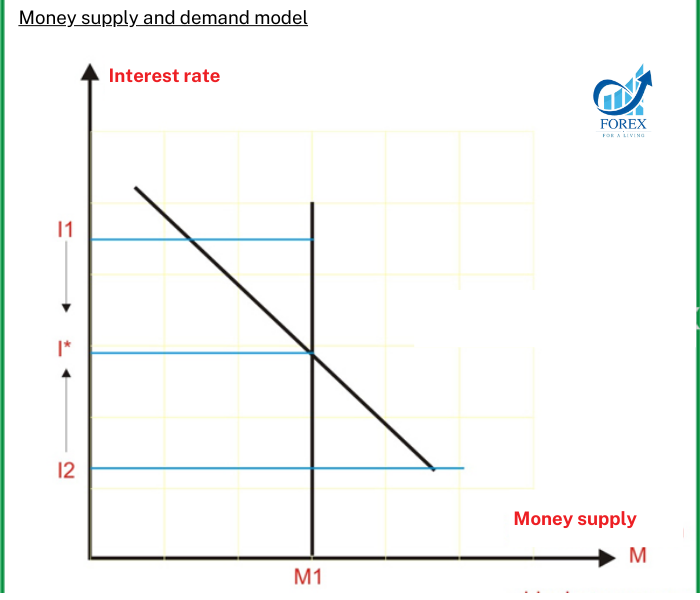
Supply and Demand for Foreign Currency
The supply and demand for foreign currency is considered one of the key factors affecting exchange rates. If currency is viewed as a commodity for exchange and trading, then naturally, the exchange rate will be influenced by supply and demand in the market. Specifically, the exchange rate will decrease when the supply of foreign currency exceeds demand. Conversely, if market demand exceeds supply, the exchange rate will increase because the price of the foreign currency rises, causing the domestic currency to depreciate.
Balance of Payments
It is easy to notice the increasing demand for foreign currency when the balance of payments shows signs of a deficit. This leads to an increase in the exchange rate. Similarly, if the balance of payments shows signs of a surplus, the exchange rate will decrease because the demand for the domestic currency increases while the demand for foreign currency decreases.
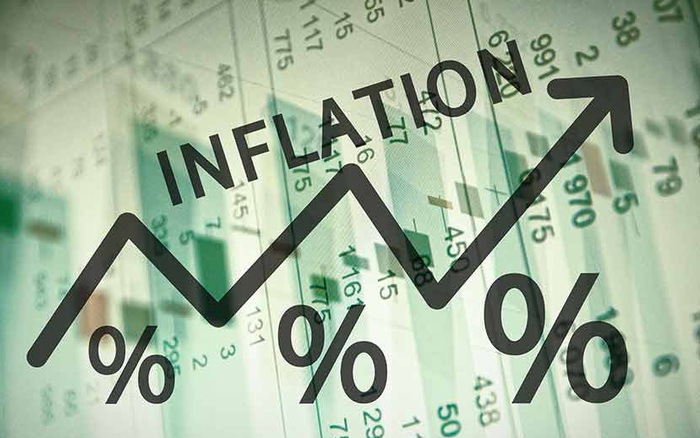
Inflation
As we know, every country in the world wants the value of its currency to be equivalent to the value of other countries’ currencies. Therefore, to achieve this, the country must maintain a reasonable level of inflation. Particularly, when other factors in the economy remain unchanged, a higher inflation rate leads to a decrease in the exchange rate, causing the domestic currency’s value to decrease, and vice versa.
Interest Rates
Interest rates have a similar relationship with exchange rates as inflation does. Specifically, theoretically, capital in the market tends to move from areas with low interest rates to those with high interest rates. Therefore, if domestic interest rates rise, this will attract foreign investment, leading to an increase in the supply of foreign currency. As a result, the exchange rate between the foreign currency and the domestic currency will decrease.
Public Debt
Similarly, public debt is one of the factors that affects exchange rates. Public debt is a primary cause of national budget deficits. Usually, when a country faces a budget deficit, the government tends to raise funds through borrowing from other countries. This leads to a rapid increase in the supply of foreign currency, which results in a decrease in the exchange rate between the foreign currency and the domestic currency.
Moreover, borrowing from other countries causes the nation to carry a large debt, which is a reason for rising inflation. If the worst-case scenario arises and the country must resort to printing money to pay off the debt, the additional money printed will cause inflation to increase. Naturally, the relationship between inflation rates and exchange rates continues to influence each other, as mentioned earlier.
Income
Income is another factor that directly or indirectly impacts a country’s exchange rate. Specifically, when the national income increases, it can be understood that the citizens of that country will tend to consume more foreign goods. This results in an increase in demand for foreign currency, causing the exchange rate to rise. This is the direct effect. Indirectly, when the income of the population rises, it means their living standards are improving, and they will spend more. This increased consumption will reduce inflation and cause the exchange rate to rise.

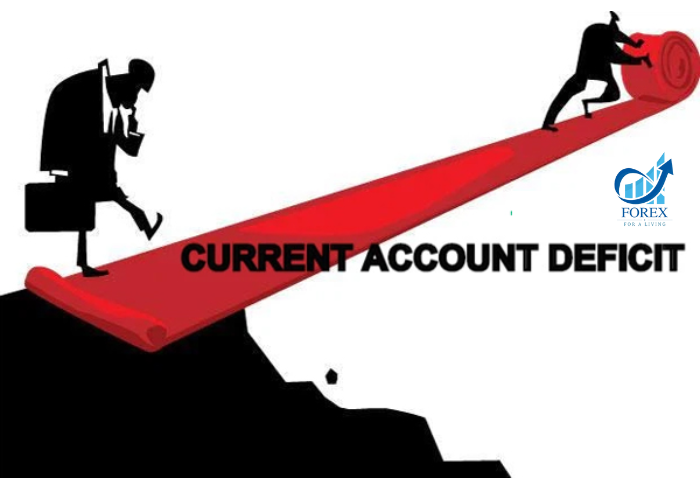
Current Account Deficit
The current account is understood as a country’s trade balance in comparison with its trading partners. If a country experiences a current account deficit, it can be observed that they are in need of more foreign currency than they initially expected or were able to export. Additionally, they are supplying the foreign market with more domestic currency than is required for actual demand for goods in that foreign market. As a result, the demand for foreign currency will suddenly exceed supply, which becomes the cause of a decrease in the country’s exchange rate.
Political Situation
A peaceful, stable, and non-warring political environment is an essential condition that allows businesses and the nation to feel confident in carrying out production and business activities. As a result, the citizens of that country will also have a higher demand for consumption. In politically stable countries, the government often implements additional policies to prioritize and support economic development, as well as paying attention to attracting foreign investors.
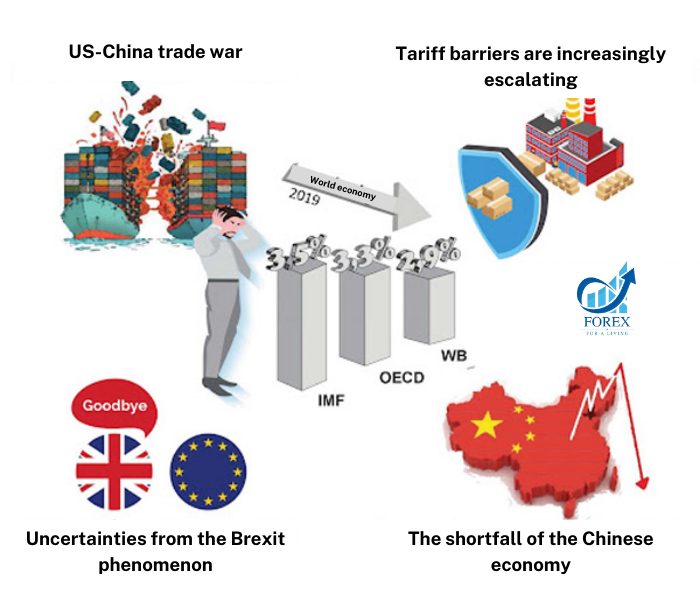
Economic Situation
Similar to politics, the economic situation is also one of the factors that affects a country’s exchange rate. If the country’s economy is performing well, with increased income and higher spending needs for the population, this provides a foundation for foreign investors to consider and decide to invest in expanding their markets. At this point, the supply of foreign currency in the country will increase, and naturally, the exchange rate will also change accordingly.
The Role of Exchange Rates in the Economy
Exchange rates play a crucial role in the economy of each country. Therefore, the government must always pay attention to and adjust exchange rates in a timely and reasonable manner to ensure the economy gradually stabilizes. Below are some of the key roles that exchange rates play in the economy:
- Exchange rates are an important tool for determining the purchasing power of the domestic currency in comparison with foreign currencies. This allows us to assess the prices of domestic goods relative to foreign goods, as well as compare domestic labor productivity with that of foreign countries.
- Exchange rates directly affect the export and import activities of a country. Specifically, when exchange rates increase, the price of exported goods will become lower compared to similar products on foreign markets. This increases the competitiveness of domestic goods.
- Finally, exchange rates also influence inflation rates and the overall economic growth of the nation. When exchange rates rise, the price of imported goods will increase, leading to higher inflation rates, and vice versa.
Above is a summary of traderforex.io’s shares about exchange rates and factors affecting exchange rates. Hopefully this information will support and help you.
- t.me/finance_solutes
- Website: https://finance-solutes.com
- Hotline: +1 929 5636 439 ( Hotline )
- 26 Broadway, Suite 934, New York, 10004, US
