
 XM
XM Bybit
Bybit Binance
 Robinhood
 Webull
 IC Markets
 Pepperstone
 OKX
OKX Vantage
 VT Markets
 BingX
BingX Gate.io
 Kucoin
 MEXC
MEXC Exness
 Bitget
Transaction fees are one of the top concerns for traders across various financial markets, including the cryptocurrency market. In fact, whether transaction fees on blockchains (commonly referred to as gas fees) are high or low significantly impacts investors’ profits and capital management strategies.
In today’s article, let’s explore with Finance Solutes the details of what gas fees are, why blockchains require these transaction fees, and tips on optimizing gas fees.
WHAT IS GAS FEE?
Blockchain Transaction Fees
Blockchain fees are the transaction fees that users must pay when conducting cryptocurrency transactions on a blockchain. These fees are collected to facilitate the execution of transactions within the network. To ensure the timely transfer of cryptocurrencies, users are required to pay transaction fees.
Blockchain transaction fees serve as a key mechanism to accelerate cryptocurrency transactions. Without these fees, the large volume of transactions on the blockchain would not be processed efficiently, leading to network congestion. The priority of each transaction is also directly tied to its fee—higher fees result in higher priority and faster processing, whereas lower fees lead to slower transaction speeds.
For high-speed cryptocurrency exchanges, every transaction requires a blockchain fee. While this fee is generally not too high, there are instances where users may need to pay a higher fee to complete transfers or exchanges.
What is Gas Fee?
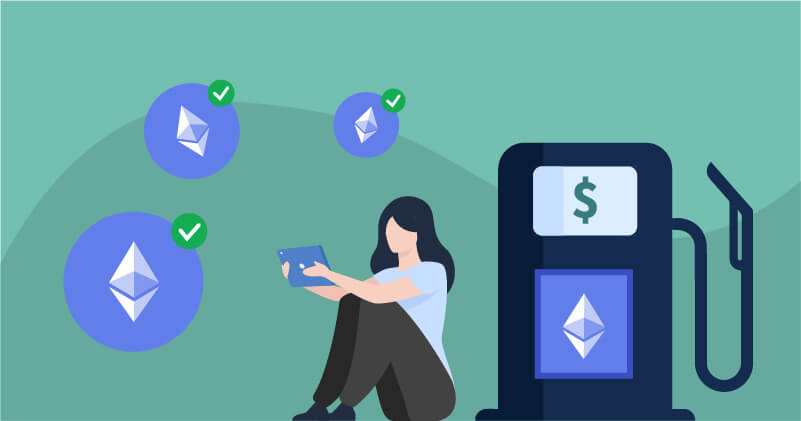
Essentially, Gas Fee refers to the transaction fee that users must pay when conducting transactions on the Ethereum Blockchain. In this context, “Gas” represents the unit of computational energy required to process a specific transaction on the blockchain. Over time, the term “Gas Fee” has been widely adopted by the crypto community to refer to transaction fees on other smart contract-enabled blockchains, such as Binance Smart Chain.
Gas fees serve as rewards for miners, compensating them for the energy costs of running computational devices and the resources needed to verify and record transactions on the blockchain. In other words, gas fees reflect the computational power required to record a transaction on Ethereum’s blockchain.
Gas fees are measured in Gwei, which is a denomination of Ether (ETH), the native token of the Ethereum network. One Gwei is equivalent to one-billionth of an Ether (1 nanoether or 0.000000001 ETH).
Gas fees fluctuate based on the complexity of the transaction and network traffic. Transactions requiring higher computational power will demand higher fees. Additionally, transactions made during peak network congestion will typically incur higher gas fees due to increased demand for processing power.
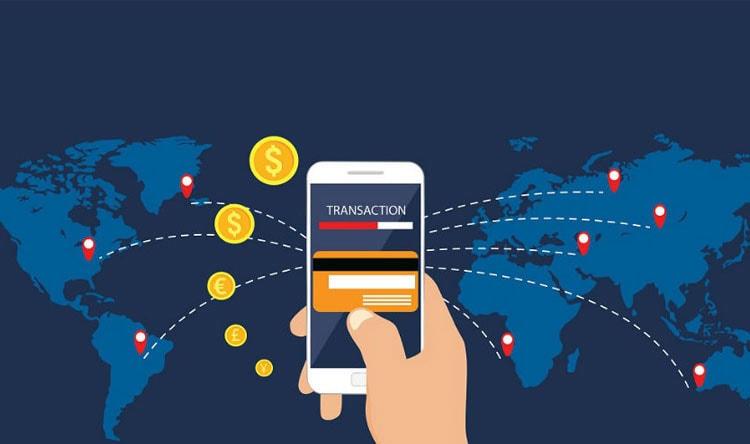
Gas fees can be compared to a freight truck service where the goods being transported represent transactions. The heavier the cargo being transported from point A to point B, the more fuel or gas it consumes. Similarly, if the road is congested, trucks will burn more fuel to reach their destination. In such cases, the trucking service will prioritize delivering goods for customers willing to pay above the base price.
Gas Price and Gas Limit
When learning about Gas Fees, two key concepts investors need to understand are Gas Price and Gas Limit. A common example of this is MetaMask gas fees.
- Gas Limit refers to the maximum amount of gas you are willing to spend for a transaction to be executed.
- Gas Price is the amount you choose to pay per unit of gas, which acts as compensation for miners.
Ethereum automatically calculates computation and storage costs. Even if you set a high Gas Limit, you won’t be charged for the unused portion—any remaining gas stays in your wallet. Similar to fuel, Ethereum only deducts the necessary amount needed to complete the transaction.
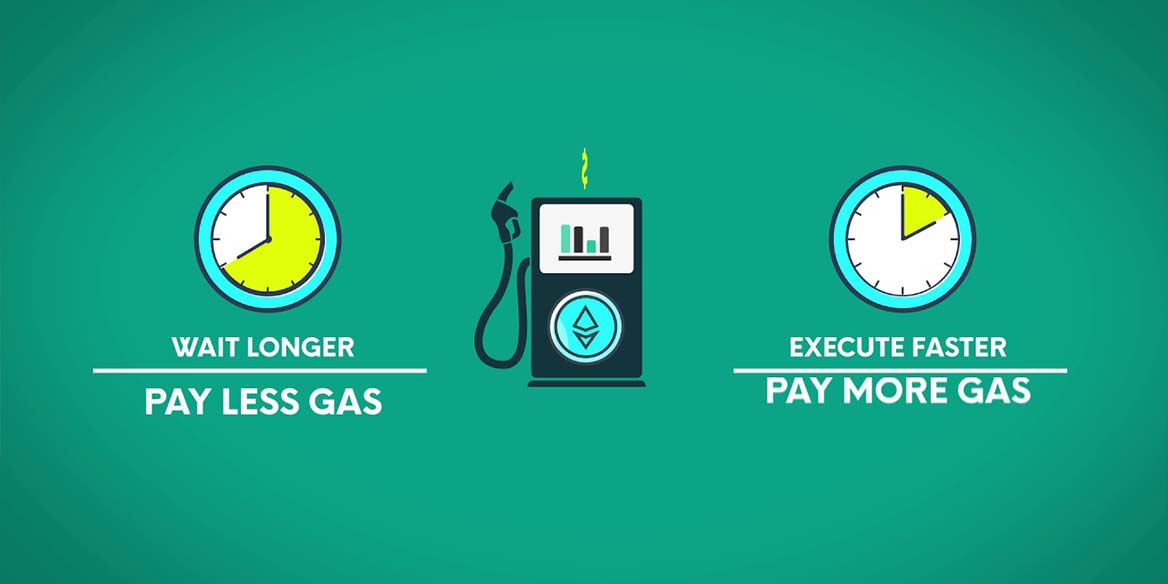
On the other hand, Gas Price fluctuates depending on how busy the Ethereum processing system is. Setting a higher Gas Price means your transaction will be processed faster. Conversely, if the Gas Price is too low, your transaction might not be executed at all. In general, Gas Price affects the speed of your transaction, with higher Gas Prices resulting in faster processing times.
WHY ARE BLOCKCHAIN TRANSACTION FEES HIGH?
Blockchain transaction fees depend on several factors, including network congestion, transaction confirmation time (influenced by liquidity providers), and transaction size (measured in kilobytes, affected by transfers from multiple inputs, such as earnings from faucets or microtransactions).
In other words, you may need to pay higher blockchain transaction fees if:
- The blockchain network is congested. Fees typically increase during periods of sudden price volatility or major global events.
- Your crypto account has a history of many small deposits (such as referral rewards). If your account contains a large number of small transactions, your overall transaction size will be larger because it includes multiple inputs. The larger the transaction size, the higher the blockchain fee.
There may be other reasons why blockchain transaction fees rise, but the two factors mentioned above are among the most common.
GAS FEE OPTIMIZATION TIPS

General advice to reduce your blockchain fees would be:
Monitor average Gas Fees
Keep track of the average blockchain fees on the network at the time of your transaction. If your transaction is not time-sensitive, consider waiting until the average fee decreases. You can check this information on major cryptocurrency exchanges, block explorers, or tracking websites.
Limit the number of transactions
If you frequently make small transactions, consider consolidating them into larger amounts to minimize fees.
Adjust Gas limit carefully
Gas fees remain unchanged if users adjust the Gas Limit. However, setting the Gas Limit too high may lead to an overestimated Gas Fee, preventing the transaction from being executed. For example, if you have 0.001 ETH, but the transaction fee is 0.0012 ETH due to a high Gas Limit, your transaction will fail.
Double-Check Transaction Details
Some users have mistakenly entered their ETH amount into the Gas Price field, resulting in significant losses. Always carefully review all transaction details before confirming them.
SUMMARY
This article has provided a detailed explanation of what Gas Fees are. Gas fees are crucial for cryptocurrency investors as they directly impact their profits. Hopefully, with the tips shared, you can optimize your gas fees and reduce transaction costs effectively. Wishing you success!
- t.me/finance_solutes
- Website: https://finance-solutes.com
- Hotline: +1 929 5636 439 ( Hotline )
- 26 Broadway, Suite 934, New York, 10004, US
