
 XM
XM Bybit
Bybit Binance
 Robinhood
 Webull
 IC Markets
 Pepperstone
 OKX
OKX Vantage
 VT Markets
 BingX
BingX Gate.io
 Kucoin
 MEXC
MEXC Exness
 Bitget
Historically, short selling has been used in commodity markets under negotiated contracts. In reality, in financial markets, forex short selling has expanded to almost every financial instrument. It is most common in the forex market, where traders use short selling to hedge currency risk — or more simply, to profit from predictive analysis.
This article will help you understand the basics of forex trading, specifically short selling. It will provide an example with the EUR/USD pair. Additionally, it will offer some advice on proper risk management throughout the trading process.
1. THE NATURE OF SHORT SELLING CURRENCY PAIRS
The term “short selling” often confuses many new traders. After all, how can we sell something if we don’t own it?
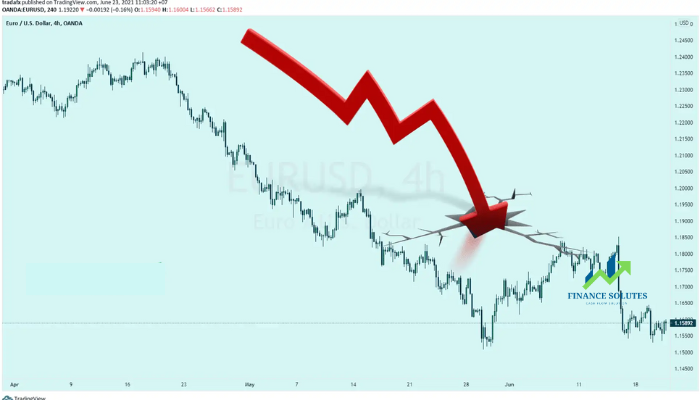
The concept of forex knowledge existed long before we even knew about Forex. This relationship began in the stock market before anyone ever thought about forex. Traders who wanted to speculate on falling stock prices created an intriguing mechanism to make that possible.
Traders looking to bet on price declines might not own the shares they wish to short, but others do. Brokers saw a potential opportunity in matching clients who actually held shares with those wanting to sell them without owning them. A trader holding shares in a long position might do so for various reasons. One reason could be that they bought at a low price and didn’t want to trigger capital gains taxes.
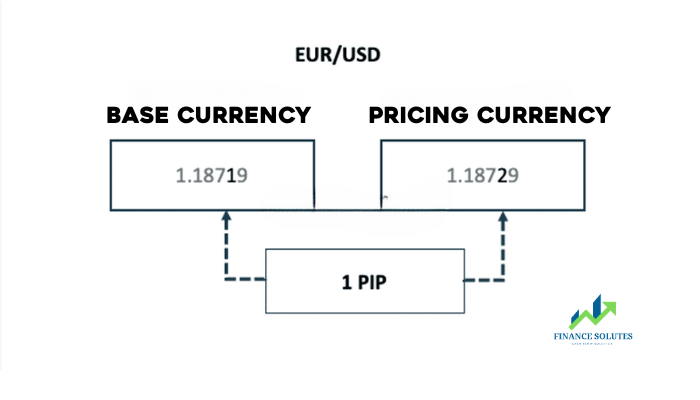
In the forex market, trades are handled differently from stocks. This means that the process of short selling a currency pair is quite different. First, a currency pair involves a base currency and a quote currency, as shown in the diagram below, and prices are quoted in a “two-way transaction.” When you short a currency pair, you are effectively selling the base currency and buying the quote currency with the expectation that the value of the currency pair will decrease.
2. HOW TO TRADE FOREX
Holding a forex trading position requires understanding currency pairs, the trading system’s functionality, and risk management.
First, every currency quote is provided as a “two-way transaction.” This means that if you’re selling the EUR/USD currency pair, you are simultaneously selling Euros and buying US Dollars. Therefore, there is no need to actually “borrow” to enable short selling. In fact, the quotes are presented in a very readable format, making short selling much simpler.
2.1. Example of Trading the EUR/USD Pair
It’s simple. Just click the Sell button next to the quote. After selling, to close the position, you’ll want to Buy the same amount. If you buy at a lower price than you sold, you’ll make a profit — excluding commissions and fees. You can also choose to close part of your trade.
For example, let’s say we start a short position with a trade size of $100,000 and sell EUR/USD when the price is at 1.29.
If the price drops, the trader can profit from the trade (excluding commissions and fees). But let’s assume for a moment that our trader expects the price to continue falling and doesn’t want to close the entire position. Instead, they want to close half of the position to cover initial costs while keeping part of the trade open.

The trader shorts $100,000 EUR/USD. They can manually enter 0.5, then click the “Close” button to begin closing $50,000 of the trade. This step helps offset half of the previously held $100,000 short position. You can observe the process in the image below.
Our trader, at that point, would realize the price difference on half of the trade ($50,000) from their initial price of 1.29 to the lower price at which they closed. The remaining part of the trade would continue in the market until the trader decides to buy another $50,000 of EUR/USD to “offset” the rest of the position.
3. HOW TO MANAGE RISK WHEN TRADING FOREX
Short selling forex carries high risk because there is no maximum loss in a trade. The potential loss is unlimited, as the value of a currency can theoretically rise infinitely. In contrast, when buying, the value of a currency can never drop below zero, which naturally sets a maximum loss limit.
Managing risk on your account is a common trait among successful traders. Below are some ways to minimize the risks of short selling:
- Implement stop-loss orders.
- Monitor key support and resistance levels for entry/exit points.
- Stay updated with the latest news and economic events to avoid potential downside risks.
- Set price alerts on trades.
Price alerts are also a great way to stay informed when you’re away from your platform. These alerts are mobile/email notifications that update traders when certain price levels are reached in a specific market. They can be pre-set to align with key levels identified by the trader.
Short selling forex is favored in downward-trending markets. However, careful consideration is crucial before trading, as it carries higher risks even with a bearish outlook. It has been used by large institutions/traders as a hedge or by traders aiming to profit from declining markets.
Risk management is essential for proper execution. The methods outlined in this article should be carefully considered, as unfavorable price movements can have a negative impact.
- t.me/finance_solutes
- Website: https://finance-solutes.com
- Hotline: +1 929 5636 439 ( Hotline )
- 26 Broadway, Suite 934, New York, 10004, US
