
 XM
XM Bybit
Bybit Binance
 Robinhood
 Webull
 IC Markets
 Pepperstone
 OKX
OKX Vantage
 VT Markets
 BingX
BingX Gate.io
 Kucoin
 MEXC
MEXC Exness
 Bitget
AP Møller-Maersk has raised concerns that a proposed carbon trading scheme aimed at narrowing the cost gap between fossil fuels and green energy could inadvertently encourage the use of liquefied natural gas (LNG) in the shipping industry. The plan, set to be discussed at a United Nations meeting next month, has divided stakeholders within the industry.
The Carbon Trading Proposal
The proposed scheme would impose economic costs on shipping emissions and allow vessels exceeding agreed emission limits to purchase credits from lower-emitting ships. However, Maersk argues that this approach does not adequately penalize shipowners who opt for LNG, potentially disincentivizing investments in more expensive low-carbon alternatives like green methanol.

Industry and Environmental Concerns
The International Maritime Organization (IMO) will convene discussions among member states to establish a global carbon pricing mechanism for the shipping sector. The decision could have far-reaching consequences for climate regulations and global trade costs. According to the OECD, shipping remains heavily reliant on fossil fuels and accounts for around 3% of global greenhouse gas emissions.
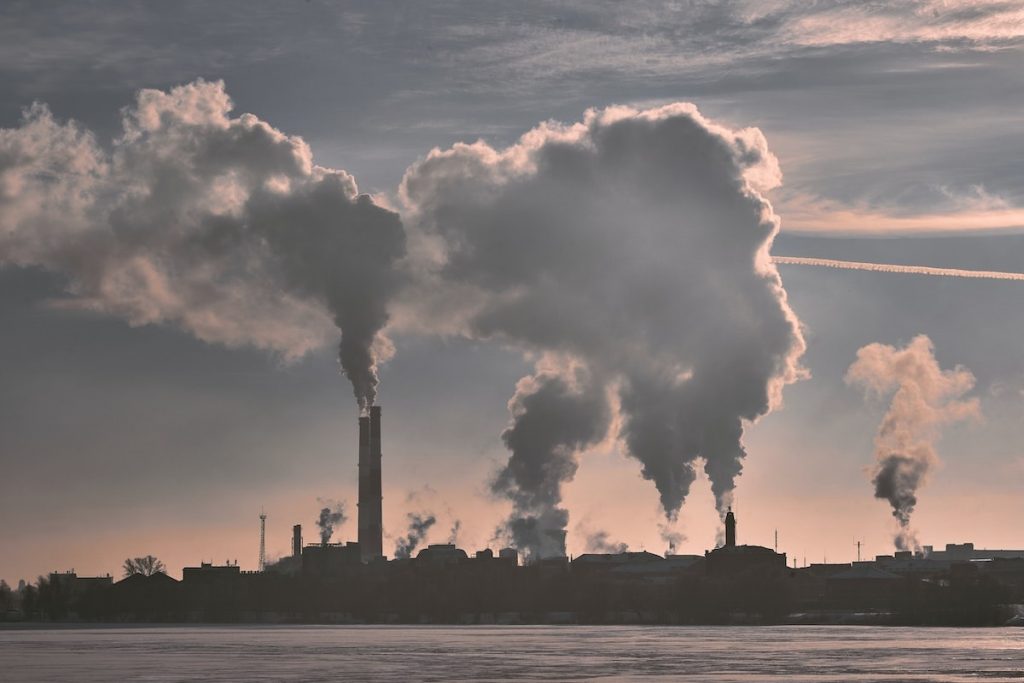
While LNG produces lower carbon emissions than traditional bunker fuels, it releases significantly more CO₂ and methane than greener alternatives. Maersk warns that, under the proposed trading scheme, LNG would likely remain the cheapest option for shipowners, based on internal calculations obtained by the Financial Times.
Divisions Among Nations
The debate has highlighted a divide between major ship-owning nations and exporters favoring the carbon trading scheme, including China and Brazil, and climate-vulnerable Pacific island nations advocating for a carbon tax of up to $100 per ton of shipping emissions. Influential players like the EU and Japan have expressed support for a combination of trading and taxation mechanisms.
Maersk’s calculations indicate that under the EU and Japan’s proposal, an LNG-powered vessel in 2035 would need to purchase 48% fewer carbon credits annually than a traditional bunker-fueled ship, despite only reducing greenhouse gas emissions by 19%.
Alternative Solutions
Some experts, such as University College London researcher Tristan Smith, argue that a straightforward carbon tax combined with subsidies for green energy is a more effective way to promote cleaner fuels. While Maersk has proposed integrating a tax with its own trading scheme to limit LNG incentives, Smith suggests this approach may overly complicate the regulatory framework.

Conclusion
As IMO member states prepare for crucial negotiations, Maersk’s warning underscores concerns that existing proposals may not be sufficient to curb shipping emissions effectively. The outcome of these discussions could significantly shape the industry’s transition towards cleaner energy solutions.
🔗 EXPLORE MORE LATEST NEWS RIGHT HERE!
- Forex: Get the latest trends and effective trading strategies
- Crypto: Stay updated on the hottest cryptocurrency market news
- Stock & Commodities: Discover potential investment opportunities
- Trading Brokers: Choose reliable brokers for your trades
- Expert Advisor: Smart tools to assist your trading
- Finance News: 24/7 updates on financial news
DON’T MISS OUT, CLICK AND READ NOW!
- t.me/finance_solutes
- Website: https://finance-solutes.com
- Hotline: +1 929 5636 439 ( Hotline )
- 26 Broadway, Suite 934, New York, 10004, US
