
 XM
XM Bybit
Bybit Binance
 Robinhood
 Webull
 IC Markets
 Pepperstone
 OKX
OKX Vantage
 VT Markets
 BingX
BingX Gate.io
 Kucoin
 MEXC
MEXC Exness
 Bitget
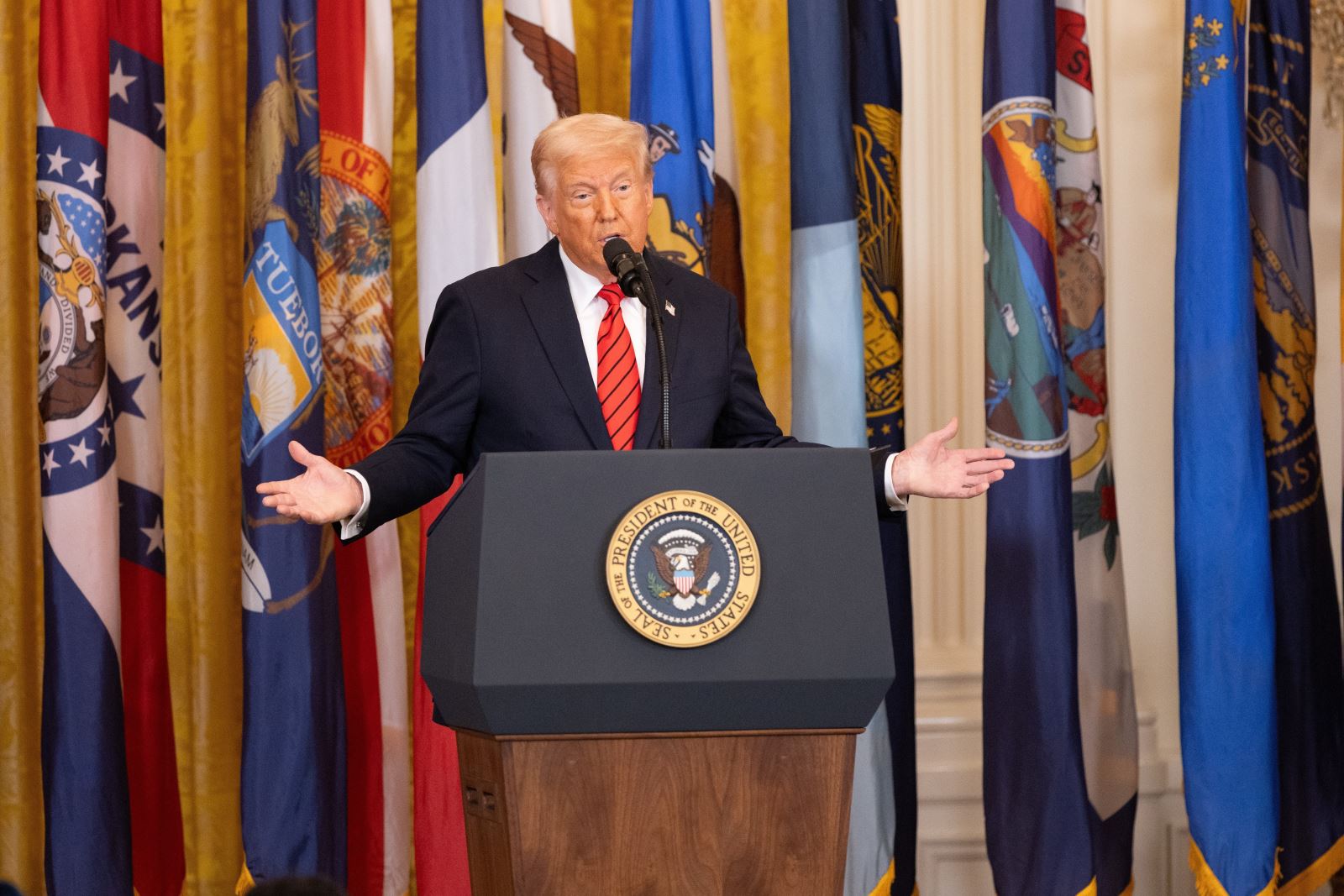
The sweeping tariff measures announced by U.S. President Donald Trump have sparked a massive market selloff, wiping out $2.5 trillion from Wall Street and causing panic across global financial markets. Despite the economic fallout, Trump defended the policy as a necessary step toward reshaping the global economic order.
1. U.S. Markets Plunge Amid Investor Panic
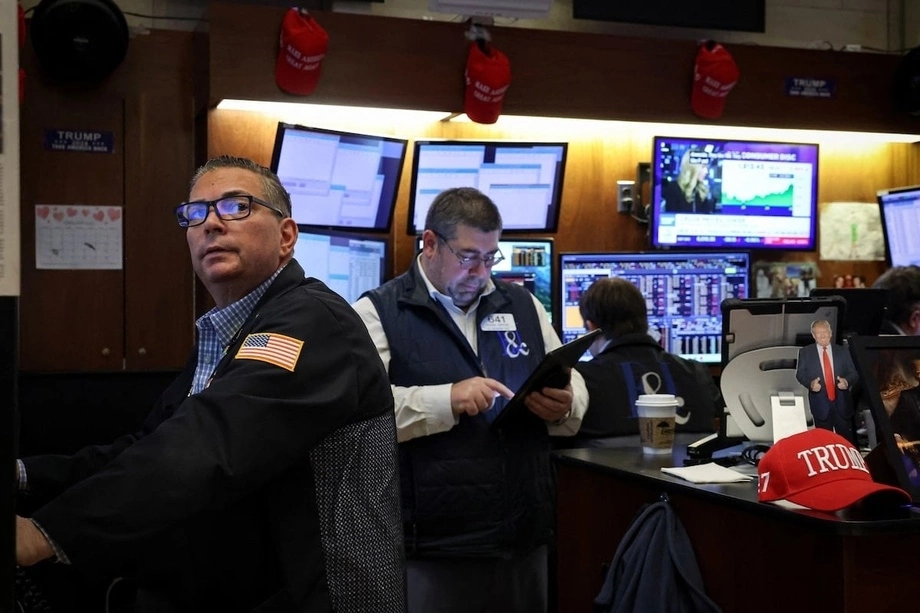
Trump’s announcement of a 10% general tariff, coupled with higher rates targeting specific nations, triggered one of the worst market days in years. The S&P 500 fell 4.8%, and the tech-heavy Nasdaq Composite dropped 6%, marking its worst single-day performance since the 2020 COVID-19 crash. Apple led the losses, plummeting 9.3% and losing over $300 billion in market value—the steepest drop in the company’s history.
2. Global Impact: Markets Around the World Tumble
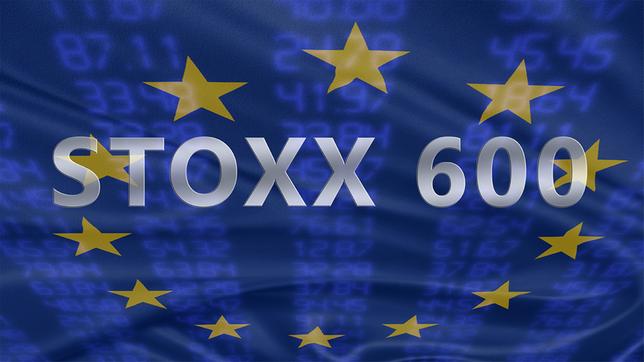
The ripple effect extended beyond the U.S., with major indices across Europe and Asia falling. The Stoxx Europe 600 declined by 1%, Japan’s Topix closed down 3.4%, and Vietnam’s Ho Chi Minh Index dropped 3.7%. China, Hong Kong, and Taiwan markets were closed due to holidays, but uncertainty loomed large. Meanwhile, the U.S. dollar saw a sharp 1.7% drop against major currencies, reflecting a loss of investor confidence.
3. Investor Sentiment Turns Defensive
Traders rushed to safer assets like U.S. Treasury bonds. The most significant gains were seen in short-term bonds, where sharp swings in yield signaled expectations of further interest rate cuts from the Federal Reserve. Analysts noted that the market reaction represented a broader distrust in dollar-based assets.
4. International Concerns: IMF and Global Leaders Speak Out
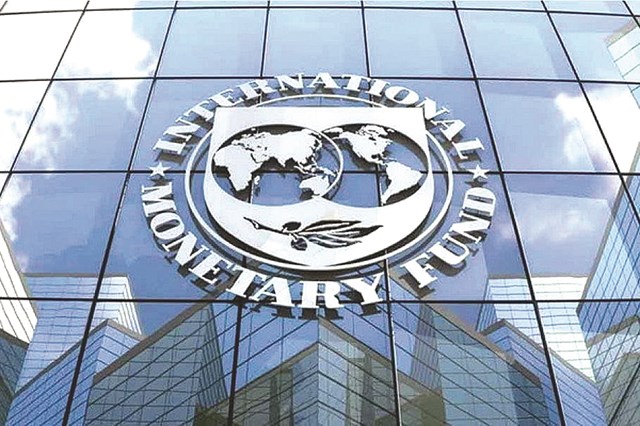
IMF Director Kristalina Georgieva warned that the tariff escalation posed “significant risks” to the already fragile global economy. European leaders reacted strongly. French President Emmanuel Macron called the tariffs “economic hostility” and suggested European firms freeze U.S. investments. François Bayrou labeled the move a “disaster for the global economy.” In contrast, UK Prime Minister Sir Keir Starmer advocated for renewed trade talks to ease tensions.
5. Trump’s Defense and Domestic Fallout
Despite the backlash, Trump insisted that his strategy would reignite American manufacturing, deter trade manipulation, and generate revenue to fund domestic tax cuts. However, domestic strains appeared quickly. Automaker Stellantis furloughed 900 workers in the U.S., linking the layoffs to new tariffs affecting cross-border production. Major consumer brands like Nike and Best Buy were also hit hard, as concerns over rising costs and supply chain disruptions intensified.
6. China’s Reaction and Rising Trade Tensions
Trump’s plan includes raising tariffs on Chinese goods to more than 60%. In response, Beijing vowed to take “resolute countermeasures” to defend its economic interests. Chinese officials accused the U.S. of unilateral bullying and warned of widespread opposition to Washington’s aggressive trade posture. Analysts predicted China might further pivot toward domestic consumption to cushion the blow to its export-driven economy.
7. Conclusio
As President Trump doubles down on his protectionist approach, global markets are bracing for prolonged volatility. While Trump promises an economic revival, the early signs point to a world economy increasingly at risk. Whether the tariffs will bring long-term gain or lasting damage remains uncertain.
🔗 EXPLORE MORE LATEST NEWS RIGHT HERE!
- Forex: Get the latest trends and effective trading strategies
- Crypto: Stay updated on the hottest cryptocurrency market news
- Stock & Commodities: Discover potential investment opportunities
- Trading Brokers: Choose reliable brokers for your trades
- Expert Advisor: Smart tools to assist your trading
- Finance News: 24/7 updates on financial news
DON’T MISS OUT, CLICK AND READ NOW!
- t.me/finance_solutes
- Website: https://finance-solutes.com
- Hotline: +1 929 5636 439 ( Hotline )
- 26 Broadway, Suite 934, New York, 10004, US
