
 XM
XM Bybit
Bybit Binance
 Robinhood
 Webull
 IC Markets
 Pepperstone
 OKX
OKX Vantage
 VT Markets
 BingX
BingX Gate.io
 Kucoin
 MEXC
MEXC Exness
 Bitget
Swiss authorities propose stricter capital rules, pushing UBS to increase capital holdings by 50%—a move the bank says could threaten its global competitiveness.
Chairman Kelleher pushes back on capital rule reforms
UBS Chairman Colm Kelleher strongly criticized the Swiss government and financial regulators on Thursday for proposing what he called “extreme” reforms to the country’s banking capital requirements. Speaking at UBS’s annual general meeting, Kelleher said the proposed changes would require the bank to hold 50% more capital, significantly tightening what are already some of the most stringent regulations globally.
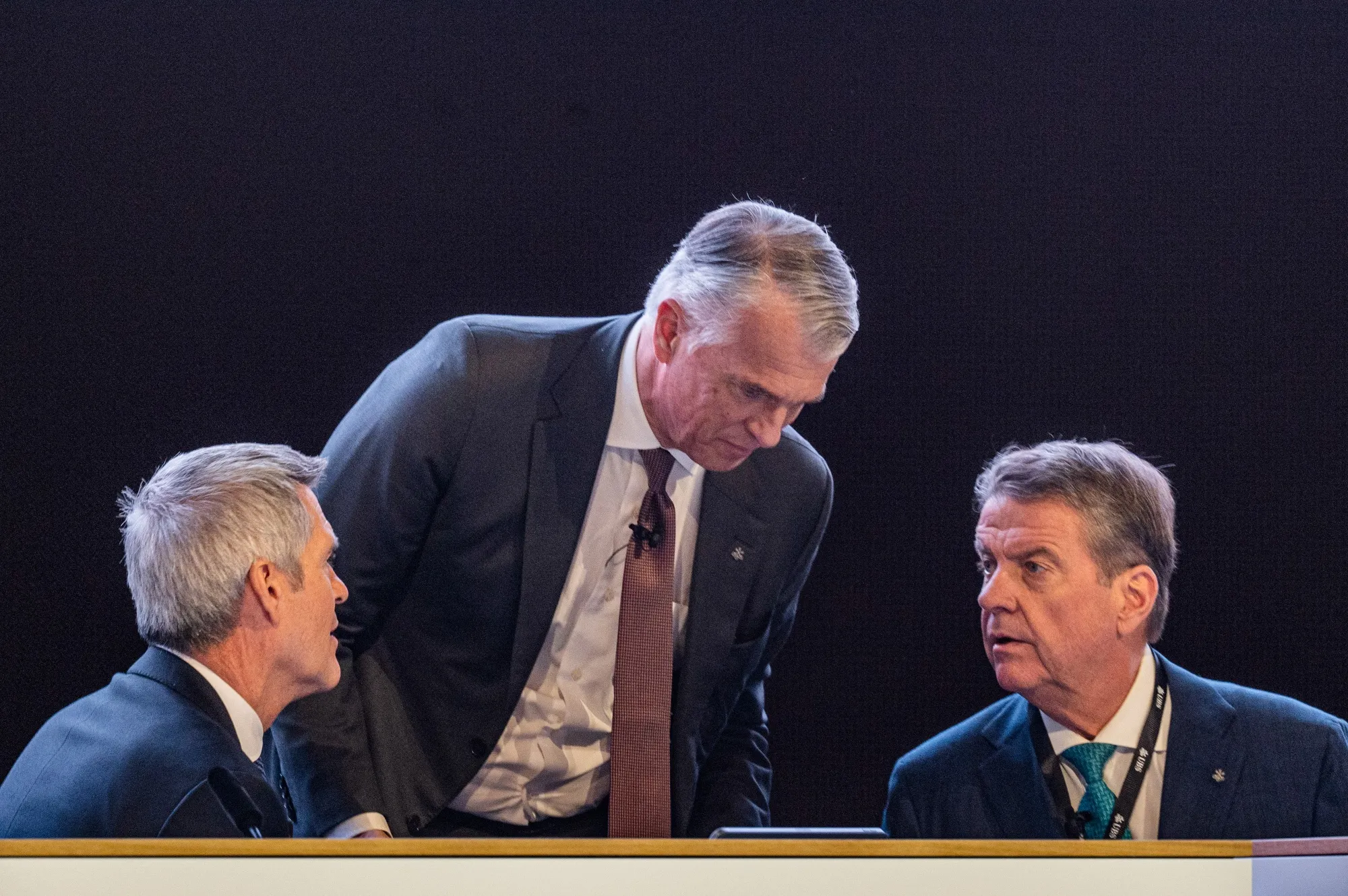
“We strongly oppose these extreme additional capital requirements,” Kelleher stated. “UBS already complies with some of the most rigorous capital standards in the world.”
Tensions rise ahead of draft law
The comments come as a draft law is expected to be submitted to Swiss lawmakers in June. The proposed legislation aims to reform capital rules in response to the collapse of Credit Suisse in 2023, which led to a state-orchestrated rescue by UBS. Since then, tensions have grown between UBS and Swiss authorities regarding regulatory oversight and the future framework for capital adequacy.

$25 Billion in additional capital demands
Swiss officials are pushing for full capital backing for UBS’s foreign subsidiaries—a requirement that could raise UBS’s capital needs by as much as $25 billion. This move is intended to strengthen the domestic financial system and reduce the risk of future bailouts involving systemically important banks.

Kelleher warned that such reforms would harm UBS’s international competitiveness. “These changes would push our core Tier 1 capital ratio 50% higher than that of our global competitors,” he emphasized.
Regulatory Divide: Switzerland vs. Global Trends
The Swiss approach contrasts with other major financial centers, such as the U.S. and U.K., which are rethinking or delaying post-crisis capital rules. The UK, for example, has already announced a one-year delay in applying new capital regulations to its banks.

Kelleher criticized the Swiss stance as overly cautious, stating: “Overregulation in Switzerland poses a serious threat to UBS’s long-term success. Adding another layer of ‘Swiss finish’ while other financial hubs are easing regulation would damage not only UBS but Switzerland’s financial sector and economy.”
UBS to proceed with $3 Billion share buyback
Despite the uncertainty, Kelleher confirmed that UBS will continue its $3 billion share buyback plan in 2025. The bank intends to repurchase $1 billion worth of shares in the first half of the year and $2 billion in the second half. However, Kelleher warned that any abrupt regulatory changes could jeopardize this plan.
“In the absence of any immediate and material changes to the capital regime, we remain committed to returning capital to our shareholders,” he said.
Conclusion
As Switzerland pushes for stricter bank regulations in the wake of Credit Suisse’s collapse, UBS finds itself at odds with domestic policymakers. With billions of dollars potentially at stake, the outcome of this regulatory standoff could reshape the future of Swiss banking—and UBS’s global position.
🔗 EXPLORE MORE LATEST NEWS RIGHT HERE!
- Forex: Get the latest trends and effective trading strategies
- Crypto: Stay updated on the hottest cryptocurrency market news
- Stock & Commodities: Discover potential investment opportunities
- Trading Brokers: Choose reliable brokers for your trades
- Expert Advisor: Smart tools to assist your trading
- Finance News: 24/7 updates on financial news
DON’T MISS OUT, CLICK AND READ NOW!
- t.me/finance_solutes
- Website: https://finance-solutes.com
- Hotline: +1 929 5636 439 ( Hotline )
- 26 Broadway, Suite 934, New York, 10004, US
