
 XM
XM Bybit
Bybit Binance
 Robinhood
 Webull
 IC Markets
 Pepperstone
 OKX
OKX Vantage
 VT Markets
 BingX
BingX Gate.io
 Kucoin
 MEXC
MEXC Exness
 Bitget
What is a platform coin? This is also one of the concepts that traders and investors in the cryptocurrency market often encounter in articles or project documents. So, what exactly is a platform coin, how can platform coins be categorized, which platform coins are considered promising, and are there any newly launched platform coins among them? Let’s explore these questions in today’s article.
1. WHAT IS A PLATFORM COIN?
If you search for the definition of platform coins on Google, you will find that different pages offer different explanations of this concept. However, in simple terms, a platform coin (platform token) is a coin that operates and is built on its own blockchain, or in other words, it benefits from the blockchain it builds on, with high security and support for transaction activities. The key difference of a platform coin is that it has its own blockchain and is not dependent on the blockchain of another project.
To give you an example to help you easily understand what a platform coin is, ETH is a platform coin because it operates and is built on the Ethereum blockchain, making ETH the platform coin of Ethereum.
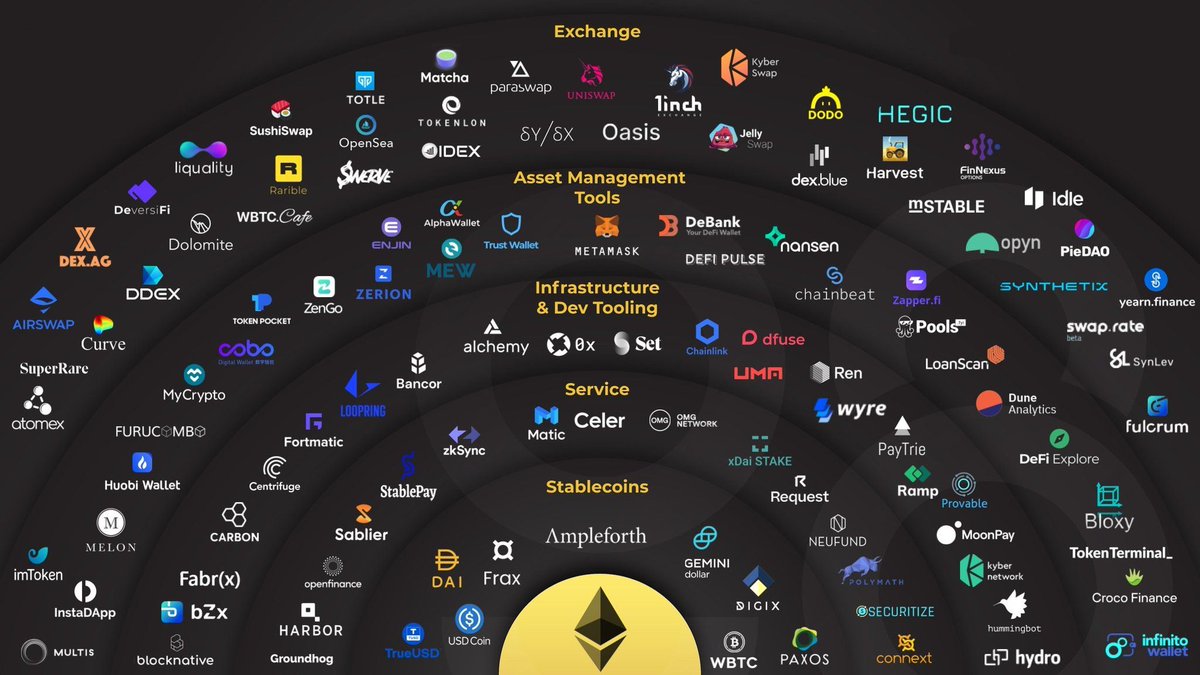
However, the UNI token of the Uniswap project does not have its own blockchain but is built on Ethereum, so UNI cannot be considered a platform coin. Platform coins typically play a significant role and have a large influence on the ecosystem of the project, acting as the “pillar” of that ecosystem. Therefore, if you look at rankings, these coins are often long-established in the market and are typically categorized as safe investments with less risk compared to other coins.
1.1. The Ecosystem of Platform Coins
The goal of blockchain projects is to build an ecosystem to apply distributed ledger technology and prove the value of the project. Platform coins developed within that ecosystem can diversify their applications, helping the project implement blockchain solutions more easily. Building an ecosystem is not only applied in blockchain but also in other fields such as tourism, technology, etc. The easiest and most relatable example of an ecosystem is the products of Apple.
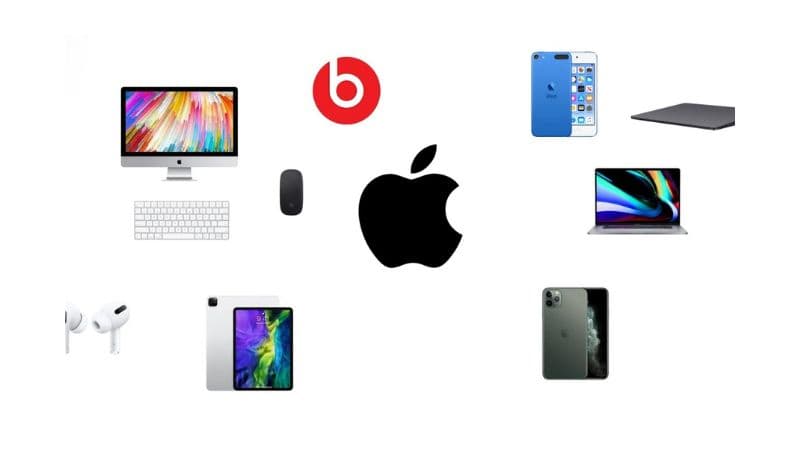
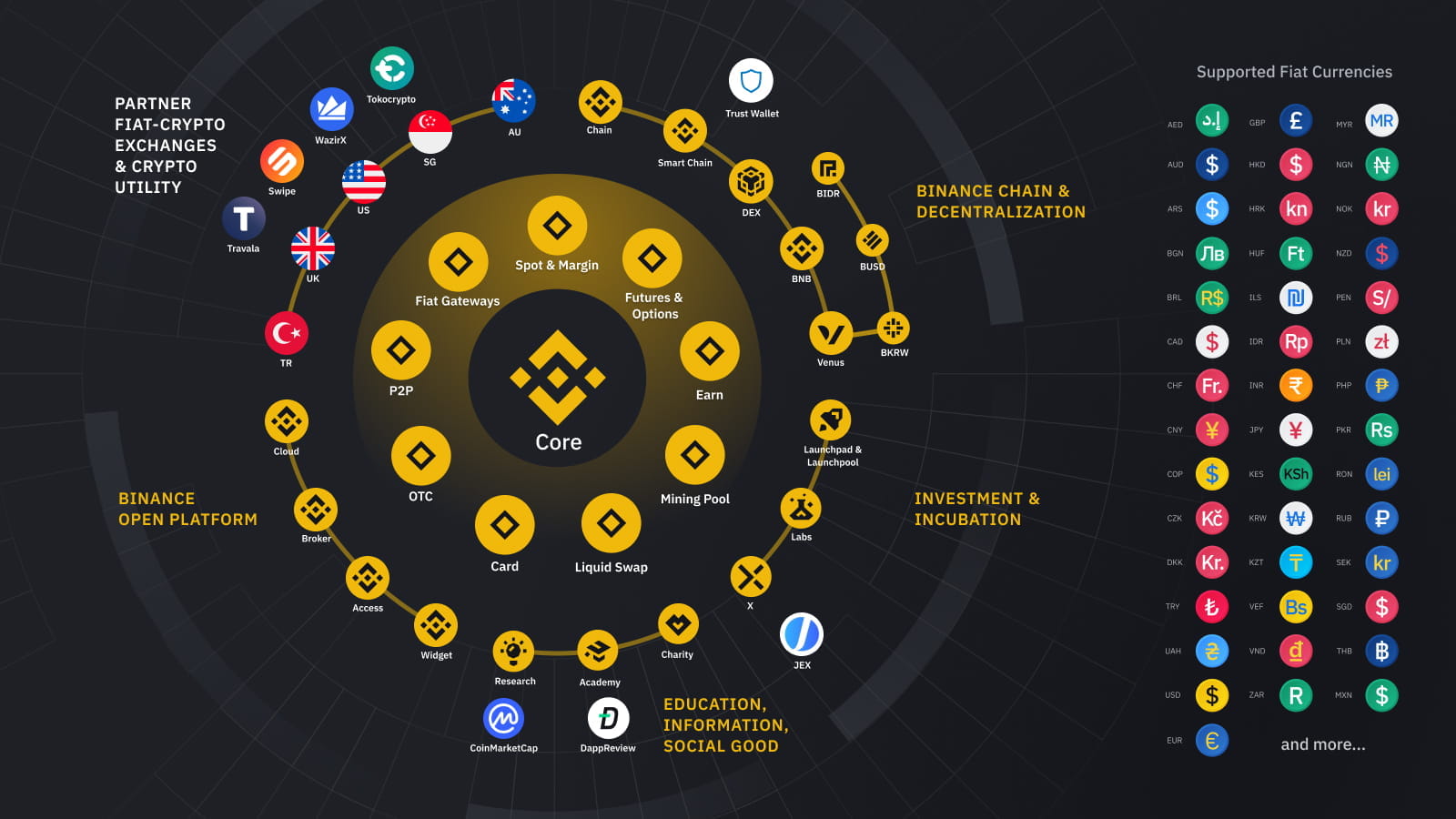
Returning to the concept of a coin ecosystem, this is a term that describes a group of products and services that are capable of connecting and interacting with each other within the same system. Specifically, the system here refers to the blockchain on which the platform token is built. The products mentioned in a coin ecosystem can include cryptocurrency wallets, centralized or decentralized exchanges, decentralized applications (dApps), and more.
1.2. Classification of Platform Coins
In reality, the number of platform tokens compared to the rest of the cryptocurrency market is not very large. However, categorizing platform coins into groups makes it easier for investors to research and explore potential platform coin projects. The simplest way to classify these coins is based on their purpose for development. The basic types of DeFi platform coins include:
- Metaverse platform coins: These are coins belonging to projects with technology that creates virtual worlds where people can experience services similar to real life, with everything being paid for using the project’s own coin.
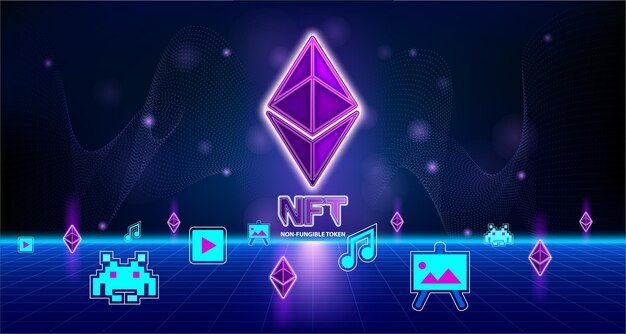
- NFT platform coins: The NFT trend is no longer new to investors in the cryptocurrency market. Projects that have emerged with this trend are often blockchain game projects.
- Web 3.0 platform coins: Web 3.0 platform coins can be considered the latest trend in platform coins this year. It is a combination of the old blockchain technology of Web 1.0 and Web 2.0 to create a more advanced version. One Web 3.0 platform coin that has been attracting attention recently is DOT from Polkadot.
2. LIST OF POTENTIAL PLATFORM COINS
Platform tokens are always highly valued by investors. Therefore, in this article, Tradafx will present a list of potential platform coins, categorized by various criteria. These coins all have detailed articles about their operation and the products within their ecosystems, which you can read on the Finance Solutes website. A note: Some lists of potential platform coins may exclude Bitcoin because its blockchain is considered incapable of further scalability.
2.1. Top Platform Coins by Market Capitalization
Market capitalization is likely the most common criterion used to rank cryptocurrencies, and the top platform tokens will also be ranked by market capitalization first. This ranking updates platform coins in 2022 based on data from CoinMarketCap.
2.1.1. ETH (Ethereum Blockchain)
The leading position in terms of market capitalization, excluding BTC, is something most investors can easily guess. Ethereum’s mainnet officially launched in 2015. For those who may not know, there was a hack that led Ethereum to perform a hard fork, splitting into two factions after the incident.
In reality, at this point, ETH can be considered the second most powerful platform coin, only behind BTC. It is used to pay for transactions and activities within the Ethereum network. Both ETH and Ethereum’s potential will continue to grow, as this platform is the foundation for many other DeFi projects.
2.1.2. BNB (Binance Chain)
Coins on this list are certainly “familiar faces” to every investor and trader in the market. No need for an extensive introduction, BNB is the platform coin of the Binance Chain. One fact that might be overlooked by many is that Binance Chain itself does not issue tokens like other projects. BNB is the token of Binance Exchange. Therefore, not only is it used within the ecosystem, but holders of BNB coins can also enjoy special privileges on the Binance Exchange platform.
2.1.3. LUNA (Terra Blockchain)
Tradafx has also introduced the LUNA coin and the Terra project. In third place, with a market capitalization of nearly $30 million, LUNA is joined by two other platform coins with similar market caps: SOL (Solana) and ADA (Cardano). The Terra blockchain uses the Proof of Stake (PoS) consensus mechanism, so LUNA can be considered a crucial mining force for the entire network.
2.2. Summary of platform coins with high growth potential
Back in 2019, there was no doubt that Bitcoin was the dominant currency in the cryptocurrency market, holding up to 70% of the market share. However, today, Bitcoin’s market share is around 40%. While still leading, it is evident that the industry, along with new projects and coins, has developed significantly. To evaluate platform coins with high growth potential, we will assess them based on the number of full-time developers working on them. This ranking is based on a survey from Electric Capital.
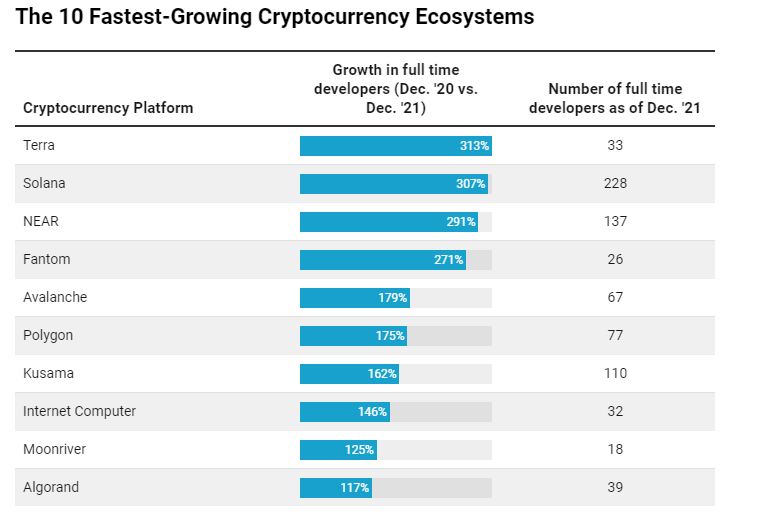
Since Terra has already been discussed in the top platform coins by market capitalization section, we will now focus on the three platform tokens following it: SOL, NEAR, and FANTOM.
2.2.1. SOL (Solana Blockchain)
Solana Coin, or SOL, is the platform coin of the Solana blockchain, which was launched to the public in 2020. This protocol is designed to support and facilitate decentralized applications (dApps). A unique feature of Solana is its combination of two consensus mechanisms: Proof of History (PoH) and Proof of Stake (PoS). SOL reached its highest historical value of $260 at the end of 2021. While the coin’s price has decreased since then, it remains one of the most promising platform coins, expected to explode in growth this year.
2.2.2. NEAR (NEAR Protocol)
The NEAR Protocol, where the platform coin NEAR is developed, is a layer 1 blockchain designed as a cloud computing platform operated by the community. Not only is the ecosystem being developed, but in October 2021, the protocol followed in the footsteps of previous layer 1 blockchains such as Avalanche, Celo, and Fantom by deciding to fund $800 million for initiatives to further develop the NEAR ecosystem.

2.2.3. FTM (Fantom Ecosystem)
Not only is it one of the growing blockchains, but the platform coin FTM remains at the top of the list of potential coins for many investors. This is a decentralized open-source smart contract platform for dApps and digital assets, with the ambition of being created to replace Ethereum. This blockchain also developed its own consensus mechanism, named Lachesis. The FTM coin powers the Fantom ecosystem, serving as the backbone of the blockchain by handling network fees, staking, rewards for users, and network governance.
2.3. Promising New Platform Coins
Many people tend to seek out new coins instead of learning about older platform coins. However, as mentioned in the first section, platform coins are often older, trusted coins known for their sustainable development and lower risk compared to newer coins.
New coins typically lack sufficient information and haven’t been tested for volatility, liquidity, or security. Therefore, the advice for anyone considering investing in platform tokens is to first research and explore the coins introduced earlier. New platform coins require more time for careful monitoring and analysis.
3. CONCLUSION
Above are the essential insights that investors need to understand about platform coins: what they are, how they differ, and how they are categorized. The rankings and lists of promising platform coins provided in this article are for reference purposes only. Investors and traders can use these lists to build their own portfolios, but it’s important not to invest in all of the coins mentioned. Additionally, don’t forget to establish a sound risk management strategy tailored to your investment portfolio.
- t.me/finance_solutes
- Website: https://finance-solutes.com
- Hotline: +1 929 5636 439 ( Hotline )
- 26 Broadway, Suite 934, New York, 10004, US
