
 XM
XM Bybit
Bybit Binance
 Robinhood
 Webull
 IC Markets
 Pepperstone
 OKX
OKX Vantage
 VT Markets
 BingX
BingX Gate.io
 Kucoin
 MEXC
MEXC Exness
 Bitget
Recent turbulence in Asian currency markets offered a preview of the volatility that might accompany a second Trump administration. Although we’re not in full-blown crisis mode, the movements signal rising tail risks and geopolitical tensions that investors should not ignore.
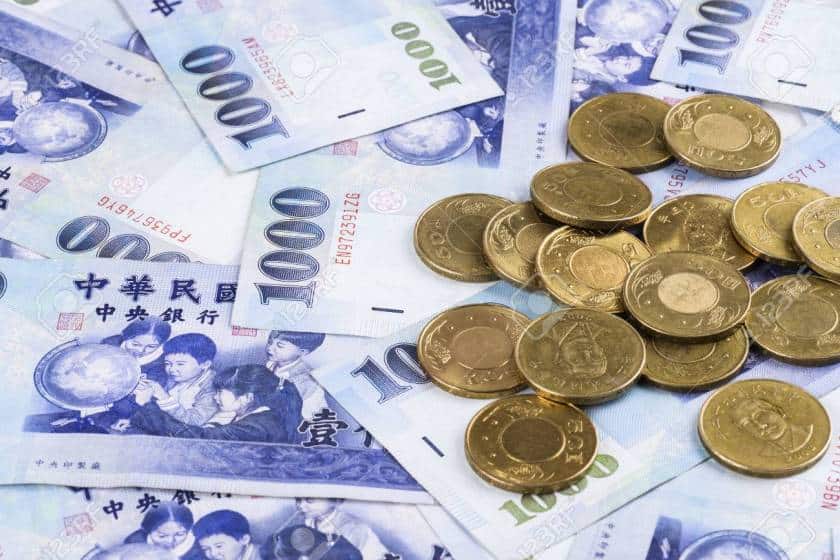
A Sudden Spike in the Taiwanese Dollar
This week, the Taiwanese dollar stunned markets with a dramatic 10% surge over just two days, before easing slightly to a still-impressive 6% monthly gain. The shock move jolted what is usually a placid segment of financial markets and highlighted structural vulnerabilities in Taiwan’s financial system—especially among life insurers holding roughly $700 billion in dollar-denominated assets, a third of which is unhedged.
Rapid currency appreciation can unearth hidden risks. As with all sharp market movements, someone is likely to be caught off guard, and losses can surface in unexpected places.
The Hong Kong Dollar and the Peg Pressure
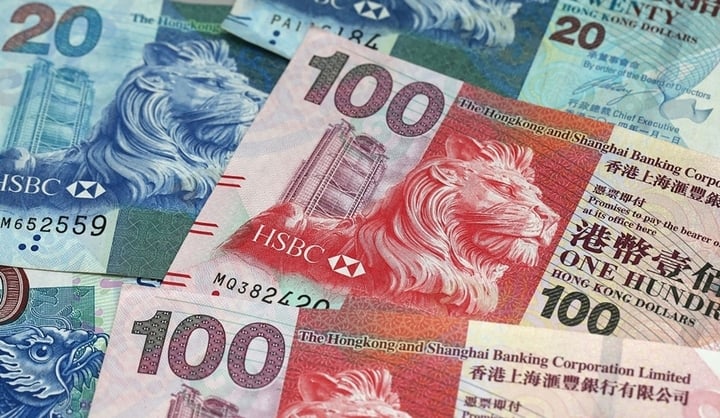
Meanwhile, the Hong Kong Monetary Authority stepped in with its most aggressive intervention since 2020 to defend the HKD peg to the US dollar. Traders attempting to break the 42-year-old currency peg may reemerge, though history suggests such bets usually end in failure. The interest in these markets reflects broader concerns about potential shifts in global currency regimes and how Asia might respond to changes in US policy.
The Avalanche Risk: A Dollar Sell-Off Scenario
Stephen Jen of Eurizon SLJ Asset Management warns of a broader “avalanche risk.” Since the pandemic, Asian exporters have accumulated up to $2.5 trillion in US dollar assets. If macroeconomic shifts—such as falling yield differentials, weaker US fiscal positioning, or rising geopolitical uncertainty—trigger widespread selling, the dollar could face a rapid and destabilizing correction.
This type of move is a tail risk: low probability but high impact. The concern is not just the currency moves themselves, but their self-reinforcing nature as investors hedge or reduce their dollar exposure, feeding further pressure on the greenback.

The Trump Factor: Currency Policy and Trade Politics
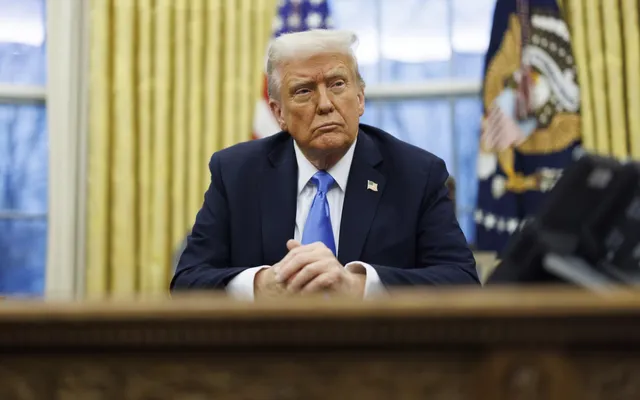
While there is little concrete evidence linking these currency moves to US political developments, the backdrop matters. Former President Donald Trump’s team has expressed interest in restructuring trade deals, possibly with a weaker dollar as a bargaining chip. Although recent US-UK trade discussions suggest a more moderate tone, markets remain sensitive to signals that currency manipulation or dollar devaluation could be back on the table.
UBS strategist Shahab Jalinoos argues that the likely outcome of future trade talks is soft language around “supporting stronger currencies” and “maintaining competitiveness,” rather than hard currency targets. This would allow for a more stable transition, provided communication is handled well—a challenge for any administration.
The Real Risks: Domestic US Policy and Geopolitics
Despite the fireworks in Asia, the most serious risks to the dollar remain closer to home. A geopolitical crisis that undermines global confidence in the US as a safe haven—or a domestic policy blunder that tips the country into recession—would do far more damage to the dollar than any moves in Taipei or Hong Kong.
Conclusion
The Asian currency drama offers a useful wake-up call about how fast markets can move and how fragile sentiment can be. But for now, the “everybody stay calm” narrative still holds. The US dollar’s decline remains orderly, and the real risk lies in Washington making a wrong turn—not in Asia blowing up the system.
🔗 EXPLORE MORE LATEST NEWS RIGHT HERE!
- Forex: Get the latest trends and effective trading strategies
- Crypto: Stay updated on the hottest cryptocurrency market news
- Stock & Commodities: Discover potential investment opportunities
- Trading Brokers: Choose reliable brokers for your trades
- Expert Advisor: Smart tools to assist your trading
- Finance News: 24/7 updates on financial news
DON’T MISS OUT, CLICK AND READ NOW!
- t.me/finance_solutes
- Website: https://finance-solutes.com
- Hotline: +1 929 5636 439 ( Hotline )
- 26 Broadway, Suite 934, New York, 10004, US
