
 XM
XM Bybit
Bybit Binance
 Robinhood
 Webull
 IC Markets
 Pepperstone
 OKX
OKX Vantage
 VT Markets
 BingX
BingX Gate.io
 Kucoin
 MEXC
MEXC Exness
 Bitget
Local producers are stepping in to fill the gap left by departing foreign companies in Africa’s largest oil producer.
A New Era in Nigeria’s Oil Industry
Osayande Igiehon, CEO of Heirs Energies, grew up in a region of Nigeria marked by oil pipelines—legacy infrastructure from decades of foreign energy investment. Today, he stands at the forefront of a historic transformation, as local firms like his assume control of the country’s oil reserves once dominated by multinational giants.
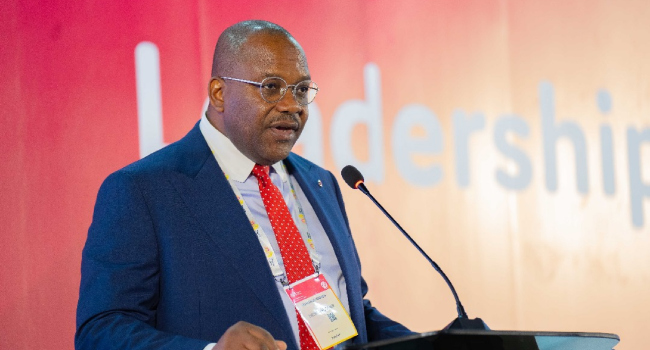
Heirs Energies is among a new wave of indigenous oil companies rising to fill the vacuum created by the withdrawal of international oil majors from onshore operations in Nigeria. This shift represents not only a rebalancing of economic power but also a potential change in how communities interact with oil operators.
Why the Foreign Firms Are Leaving
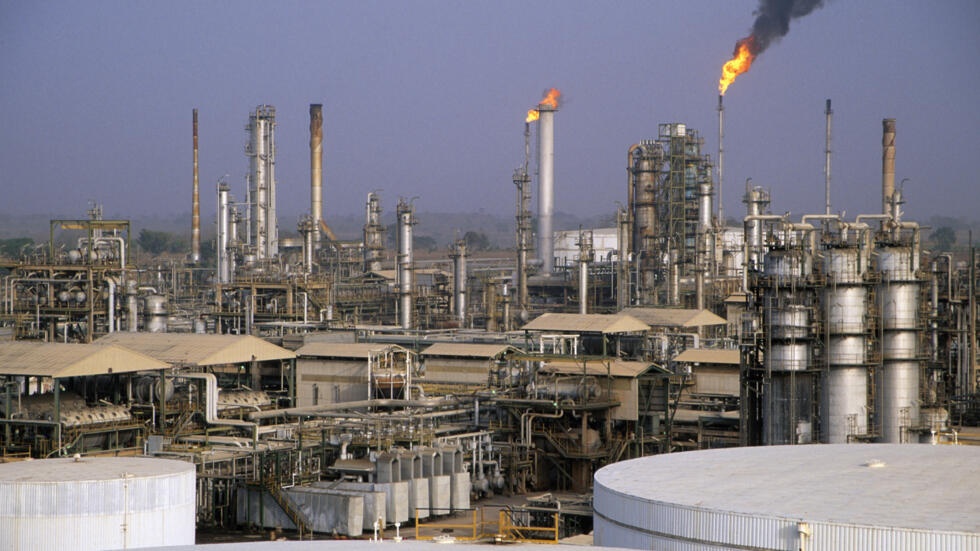
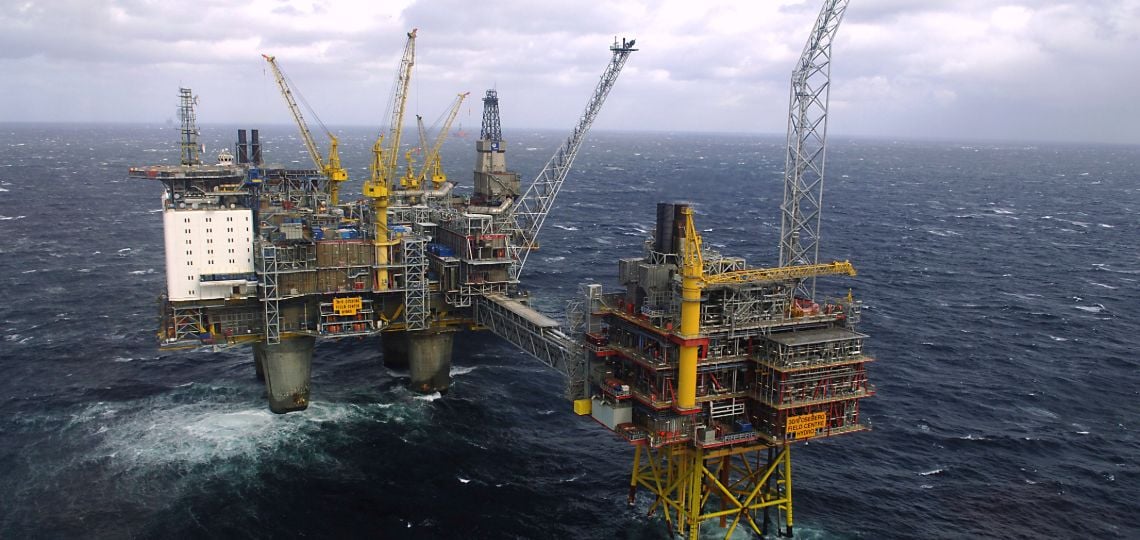
A combination of declining profits, environmental concerns, persistent oil theft, and strained relationships with host communities has driven companies such as Shell, ExxonMobil, and Eni to divest their onshore assets. Many are now focusing on more secure and lucrative offshore fields in the Gulf of Guinea.
Shell, which drilled Nigeria’s first successful oil well in 1956, recently sold its onshore business in a $1.3 billion deal but remains active offshore. Similarly, Eni sold its Nigerian subsidiary to Oando in a $783 million transaction.

Local Players Step Up
In their place, local companies like Heirs Energies, Seplat, Chappal Energies, and Oando are assuming control. These firms have acquired assets and are investing heavily to revive and manage previously neglected fields.
“This is the most significant divestment cycle ever in Nigeria,” said Ufoma Immanuel, CEO of Chappal Energies. “The majority of Nigeria’s production will now be handled by domestic operators.”
Seplat has acquired ExxonMobil’s Nigerian assets. Chappal paid $1.2 billion for Equinor’s operations, and Heirs spent $533 million to buy a 45% stake in an onshore field, later doubling production without drilling new wells—simply by reactivating dormant infrastructure.
The Local Advantage
Local ownership brings agility, cultural familiarity, and closer ties with communities. “Previous operators lost their social license,” said Igiehon. “We can move freely because we are part of the community.”
Wale Tinubu, CEO of Oando, emphasized cost-efficiency achieved through local staffing and supply chains. “We are faster, leaner, and more connected to the realities on the ground,” he said, noting the dismissal of 75 expatriate workers inherited from Eni.
This community integration not only fosters goodwill but also improves security—one of the key risks of operating in the Niger Delta.
Ongoing Challenges and Global Dynamics
Despite recent successes, security threats, especially pipeline theft, remain a significant issue. The government has tried to address the problem, including renewing contracts with security contractors in the Delta. As a result, production rose steadily, reaching 1.4 million barrels/day in March, according to OPEC.
Another challenge is financing. African firms struggle to attract international capital due to investor caution and geopolitical concerns. Regulatory approval often hinges on proving funding capability, as seen in Renaissance Africa Energy’s deal with Shell.
Critics question the long-term potential of these assets, suggesting that foreign companies exited after peak productivity. However, local leaders remain optimistic. Oando’s Tinubu insists their assets have “significant life” left, with an estimated 1 billion barrels untapped.
Igiehon added that the global shift—particularly the U.S. government’s renewed openness to hydrocarbons under President Trump—could unlock new investment in Nigeria’s oil sector. “The posture of the U.S. administration has sent a ripple through the entire ecosystem,” he said.
Conclusion
As Nigeria’s oil industry enters a new chapter, locally led companies are not only taking over physical assets but also reshaping the narrative around community relations, operational efficiency, and national value creation. The transition marks a turning point—one that could redefine energy ownership across Africa for decades to come.
🔗 EXPLORE MORE LATEST NEWS RIGHT HERE!
- Forex: Get the latest trends and effective trading strategies
- Crypto: Stay updated on the hottest cryptocurrency market news
- Stock & Commodities: Discover potential investment opportunities
- Trading Brokers: Choose reliable brokers for your trades
- Expert Advisor: Smart tools to assist your trading
- Finance News: 24/7 updates on financial news
DON’T MISS OUT, CLICK AND READ NOW!
- t.me/finance_solutes
- Website: https://finance-solutes.com
- Hotline: +1 929 5636 439 ( Hotline )
- 26 Broadway, Suite 934, New York, 10004, US
