
 XM
XM Bybit
Bybit Binance
 Robinhood
 Webull
 IC Markets
 Pepperstone
 OKX
OKX Vantage
 VT Markets
 BingX
BingX Gate.io
 Kucoin
 MEXC
MEXC Exness
 Bitget
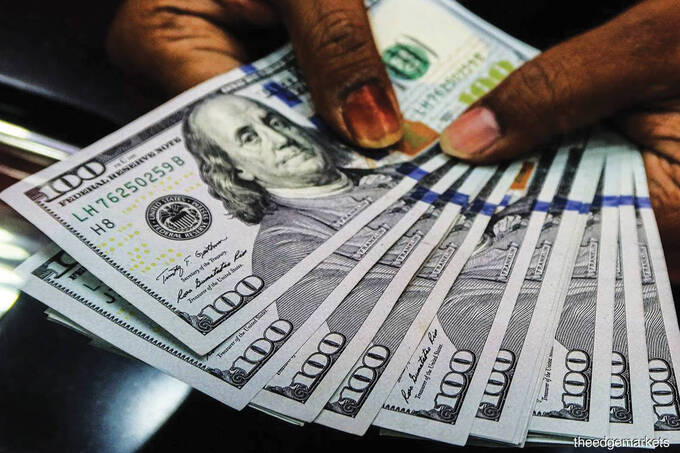
In recent months, the long-standing close relationship between the U.S. dollar and U.S. Treasury yields has been disrupted, raising concerns among investors. Uncertainty surrounding U.S. policy-making and the independence of the Federal Reserve has pressured both the greenback and government bonds, signaling a potential shift in traditional market dynamics.
The Traditional Link Between Treasury Yields and the U.S. Dollar
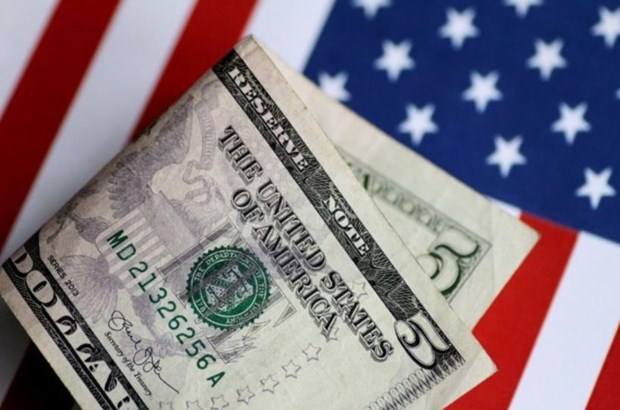
Historically, the borrowing costs of the U.S. government and the value of the dollar have moved in tandem. Higher Treasury yields typically indicate a stronger economy, attracting foreign capital and pushing the dollar higher. This positive correlation has been a cornerstone for investors seeking stable returns from U.S. assets.
Recent Divergence Amid Policy Uncertainty
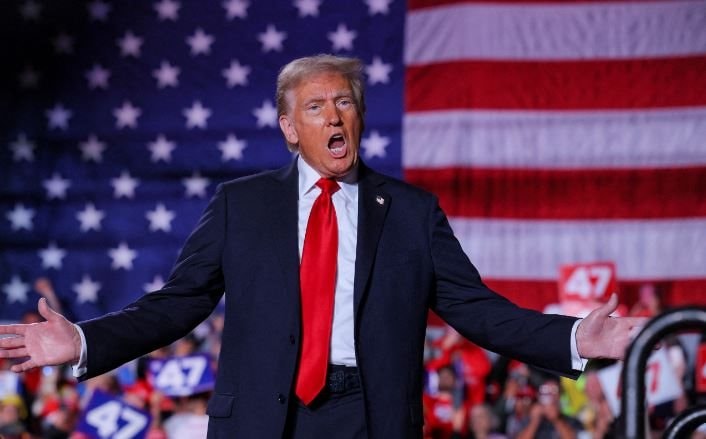
Since the announcement of President Donald Trump’s “Tariff Day” tariffs in early April, this relationship has faltered. The 10-year Treasury yield increased from 4.16% to 4.42%, while the U.S. dollar declined by 4.7% against a basket of currencies. This month, the correlation between these two key financial instruments hit its lowest level in nearly three years.
Shahab Jalinoos, G10 FX Strategy Director at UBS, explained, “Normally, higher yields signal a robust U.S. economy, attracting capital inflows.” However, he added, “If yields rise because U.S. debt is perceived as riskier due to financial and policy uncertainties, the dollar can weaken—a pattern usually seen in emerging markets.”
Fiscal Concerns and Credit Downgrades Impacting Investor Confidence
President Trump’s ambitious “big and beautiful” tax plan, coupled with Moody’s recent downgrade of the U.S. credit rating, has heightened investor scrutiny on the sustainability of the federal deficit. This pressure has weighed on bond prices.
Apollo’s Chief Economist Torsten Sløk highlighted that the U.S. government’s credit default swap spreads—reflecting the cost of insuring debt against default—are trading at levels comparable to Greece and Italy, signaling growing market anxiety.
Political Pressure on the Federal Reserve and Market Reactions
President Trump’s public criticisms of Federal Reserve Chairman Jay Powell, including a recent White House meeting accusing Powell of mistakes for not cutting interest rates, have unsettled markets.
Michael de Pass, Global Rates Trading Director at Citadel Securities, noted, “The U.S. dollar’s strength partly stems from institutional integrity: the rule of law, central bank independence, and predictable policy. These are core to the dollar’s reserve currency status.” He added, “The past three months have called that into question,” raising concerns about the dollar’s institutional credibility.
Implications for Safe-Haven Investments
The divergence between Treasury yields and the dollar marks a significant departure from recent years, where expectations around monetary policy and economic growth drove borrowing costs.
Andreas Koenig, Head of Global FX at Amundi, warned that this new dynamic could increase risks for investors seeking safe-haven assets. “For years, holding the dollar in a long-term portfolio provided stability. If that correlation breaks down, portfolio risk rises.”
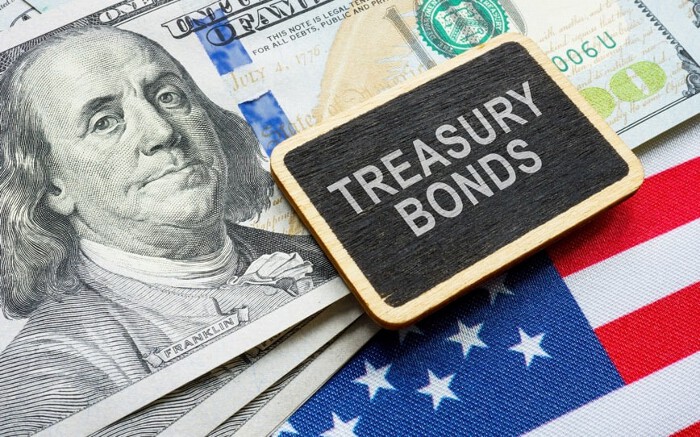
Goldman Sachs analysts echoed these concerns in a Friday note, highlighting uncertainties around Fed independence and fiscal sustainability as primary reasons for the shift in asset correlations. They observed that the recent trend of a weaker dollar combined with higher yields and lower equity prices challenges conventional risk-hedging portfolios.
Market Positioning and Outlook
The dollar’s weakness partly stems from dollar asset holders increasingly hedging their exposures and taking short positions against the currency. Jalinoos from UBS said, “The more unstable policy becomes, the higher the likelihood that investors increase hedging ratios.”
Goldman Sachs analysts suggest investors position themselves for further dollar weakness, particularly against the euro, yen, and Swiss franc—all of which have strengthened recently. They also recommend considering gold allocations as a hedge amid these new risks.
Conclusion
The breakdown of the traditional correlation between the U.S. dollar and Treasury yields underscores growing market unease over U.S. fiscal policy and Federal Reserve independence. As uncertainties mount, investors face new challenges in portfolio management and risk assessment, signaling a potential redefinition of the dollar’s role as a global safe-haven currency.
🔗 EXPLORE MORE LATEST NEWS RIGHT HERE!
- Forex: Get the latest trends and effective trading strategies
- Crypto: Stay updated on the hottest cryptocurrency market news
- Stock & Commodities: Discover potential investment opportunities
- Trading Brokers: Choose reliable brokers for your trades
- Expert Advisor: Smart tools to assist your trading
- Finance News: 24/7 updates on financial news
DON’T MISS OUT, CLICK AND READ NOW!
- t.me/finance_solutes
- Website: https://finance-solutes.com
- Hotline: +1 929 5636 439 ( Hotline )
- 26 Broadway, Suite 934, New York, 10004, US
