Stablecoins – digital currencies pegged to real-world assets like the U.S. dollar – are gradually breaking out of the crypto world and stepping into the global financial system. Their rapid rise is increasingly raising concerns about financial stability – concerns that regulators can no longer ignore.
Stablecoins: From the virtual world to real-world risks
Until now, disruptions in the crypto market have mostly impacted those directly involved. If a token crashes or an exchange is hacked, investors bear the consequences. However, stablecoins serve as a bridge between crypto and traditional finance (TradFi), giving them the potential to cause far broader real-world impacts.
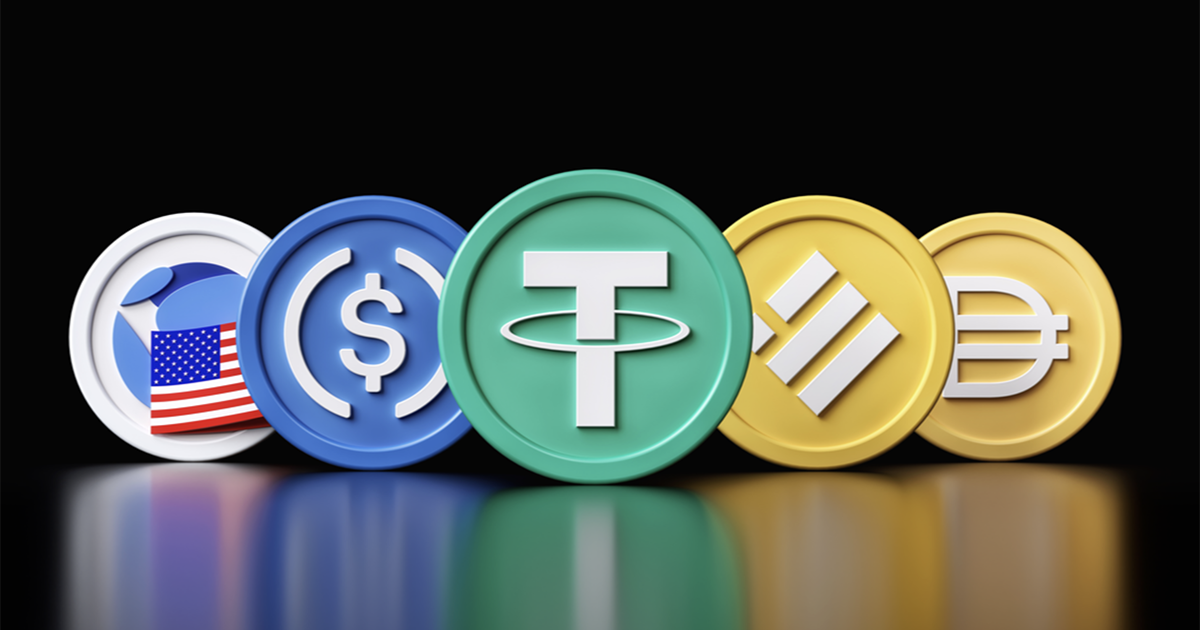
Stablecoins like Tether and USDC promise that each token is backed 1:1 by reserve assets. While holders don’t earn interest or inflation protection, issuers can generate billions of dollars annually from investing these reserves.
A threat to the U.S. government debt market
A recent study by the Bank for International Settlements (BIS) found that large capital inflows into stablecoins can influence short-term U.S. Treasury yields – the cornerstone of the global financial system. A $3.5 billion inflow over five days can lower yields by up to 0.025 percentage points – similar to the effect of a small quantitative easing policy.
Even more dangerous is the reverse. When money flows out of stablecoins, issuers are forced to rapidly sell off reserves, triggering sudden sell pressure on the Treasury market, with potentially 2-3 times the volatility seen during inflows.
Systemic risk and lack of transparency
Despite their growing influence, stablecoin issuers operate in a poorly regulated and opaque environment. Tether, the largest stablecoin, still does not publicly disclose its full reserve holdings, making it difficult for policymakers to assess actual risks.

The BIS warns that if stablecoins continue growing at the current pace, they could weaken the effectiveness of monetary policy, as central banks lose control over government bond yields.
Conclusion
With stablecoin issuers now holding more short-term U.S. Treasuries than some major countries – over $40 billion in 2024 alone – this is no longer a fringe phenomenon. In a potential second Trump administration likely to take a hands-off approach to crypto, the risks posed by stablecoins may become harder to manage. A more transparent and robust regulatory framework is urgently needed – before the global financial markets suffer the consequences.
🔗 EXPLORE MORE LATEST NEWS RIGHT HERE!
DON’T MISS OUT, CLICK AND READ NOW!

 XM
XM Bybit
Bybit Binance
 Robinhood
 Webull
 IC Markets
 Pepperstone
 OKX
OKX Vantage
 VT Markets
 BingX
BingX Gate.io
 Kucoin
 MEXC
MEXC Exness
 Bitget
