
 XM
XM Bybit
Bybit Binance
 Robinhood
 Webull
 IC Markets
 Pepperstone
 OKX
OKX Vantage
 VT Markets
 BingX
BingX Gate.io
 Kucoin
 MEXC
MEXC Exness
 Bitget
U.S. inflation rose less than expected in May, offering a brief respite to consumers and policymakers ahead of next week’s Federal Reserve meeting. However, trade tensions continue to pose risks to future price stability.
Inflation Slows Despite Trade Pressures
According to data released on Wednesday, the U.S. Consumer Price Index (CPI) increased by 2.4% year-on-year in May, slightly below the 2.5% forecast by economists surveyed by Bloomberg. This figure, however, is still up from April’s 2.3%, indicating a continued upward trend in prices.

Despite the moderation, inflation is expected to rise further in the coming months. This projection is largely due to the effects of new tariffs introduced by President Donald Trump in April, which are beginning to filter through to consumer prices and business costs.
Impact of the U.S.-China Trade War
The U.S. currently imposes a 10% tariff on most imports, along with significantly higher duties on goods from China. These trade measures have increased the cost of imported goods, contributing to inflationary pressure even as overall demand growth remains stable.

Federal Reserve’s Response and Policy Outlook
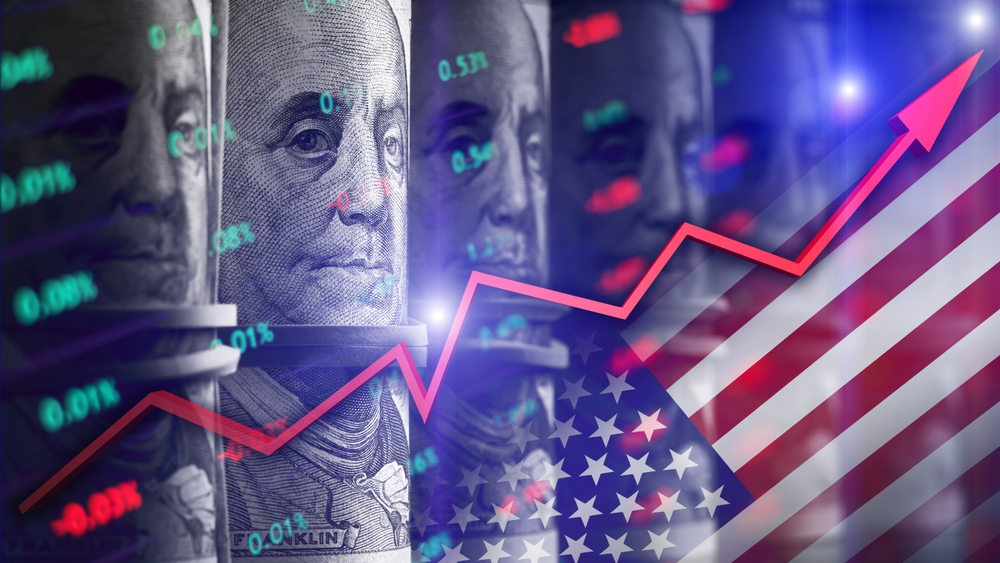
The Federal Reserve is widely expected to keep its benchmark interest rate steady between 4.25% and 4.5% during its upcoming meeting. Policymakers are closely watching inflation trends, as further increases could shape future decisions on borrowing costs.
President Trump has repeatedly urged Fed Chair Jay Powell to cut rates, citing moves by the European Central Bank and the Bank of England. Trump has called for a full percentage point reduction, even labeling Powell as “a disaster” for not easing monetary policy more aggressively.
Preferred Inflation Measure Also Set to Rise
The Fed’s preferred gauge of inflation, the Personal Consumption Expenditures (PCE) index, dropped to 2.1% in April. However, economists expect it to climb again in the months ahead, in line with broader inflation trends.
Conclusion
While May’s inflation data offered a slight surprise to the downside, the broader economic picture suggests mounting price pressures driven by the ongoing trade war. The Fed faces a delicate balancing act next week as it weighs inflation risks against calls for lower interest rates.
🔗 EXPLORE MORE LATEST NEWS RIGHT HERE!
- Forex: Get the latest trends and effective trading strategies
- Crypto: Stay updated on the hottest cryptocurrency market news
- Stock & Commodities: Discover potential investment opportunities
- Trading Brokers: Choose reliable brokers for your trades
- Expert Advisor: Smart tools to assist your trading
- Finance News: 24/7 updates on financial news
DON’T MISS OUT, CLICK AND READ NOW!
- t.me/finance_solutes
- Website: https://finance-solutes.com
- Hotline: +1 929 5636 439 ( Hotline )
- 26 Broadway, Suite 934, New York, 10004, US
