
 XM
XM Bybit
Bybit Binance
 Robinhood
 Webull
 IC Markets
 Pepperstone
 OKX
OKX Vantage
 VT Markets
 BingX
BingX Gate.io
 Kucoin
 MEXC
MEXC Exness
 Bitget
In a dramatic escalation of Middle East tensions, Israel has launched a sweeping series of airstrikes on Iranian nuclear sites and military infrastructure, killing top commanders and marking a turning point that risks plunging the region into a broader war.
Airstrikes Hit Natanz, Tehran, and Command Centers
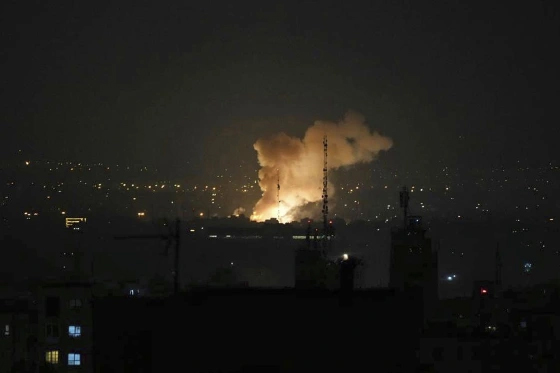
At approximately 4:15 a.m., Iranian state TV reported that the Natanz nuclear facility—central to Iran’s uranium enrichment program—was struck, with thick plumes of smoke rising from the area.
Earlier, around 3:30 a.m., powerful explosions rocked Tehran. Footage showed smoke billowing from the Revolutionary Guard’s main command post in eastern Tehran.
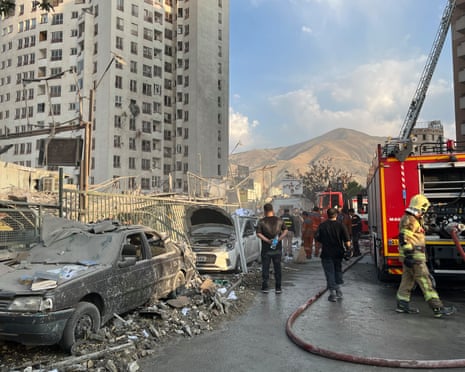
Top Iranian Leaders Killed
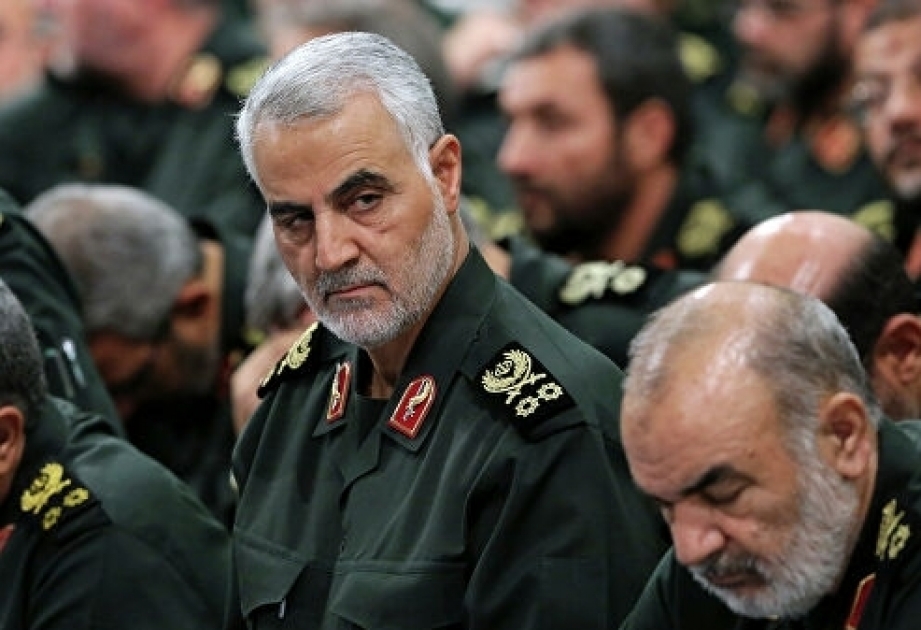
The strikes reportedly killed several senior Iranian military and nuclear figures, including:
-
Major General Hossein Salami, head of the Islamic Revolutionary Guard Corps (IRGC)
-
Major General Mohammad Bagheri, Iran’s Armed Forces Chief of Staff
-
Fereydoon Abbasi, former head of Iran’s atomic energy agency
-
Mohammad Mehdi Tehranchi, prominent nuclear physicist
Israel’s Objectives and Military Action
Prime Minister Benjamin Netanyahu declared Israel targeted the “core of Iran’s nuclear enrichment program,” specifically naming Natanz and Iran’s ballistic missile sites. An Israeli military official confirmed that dozens of strikes were conducted and may continue for up to two weeks. Israel’s Defense Forces (IDF) stated they successfully targeted and destroyed large portions of Iran’s air defense network, including missile batteries and radar systems.
Iran’s Response and Regional Impact
Iran reportedly launched about 100 drones toward Israel—currently being intercepted. Tehran has not officially confirmed any retaliation. Supreme Leader Ali Khamenei vowed a “harsh punishment”, calling the attack a “bitter and painful fate” for Israel. Meanwhile, global condemnation mounted, with Saudi Arabia, Oman, and Turkey denouncing the strikes as violations of international law.
U.S. Reaction and Diplomatic Tensions
The U.S. government denied involvement, emphasizing its priority is the safety of American forces.
Senator Marco Rubio stated:
“Israel informed us this was a necessary act of self-defense. Iran should not target U.S. interests or personnel.”
President Donald Trump noted the attack could endanger ongoing nuclear negotiations, saying the U.S. was “close to a decent agreement” with Iran.
Oil Prices Surge and Market Reaction
Brent crude spiked up to 12.5% before settling at a 7% gain over $74 per barrel. Global stocks dipped, with S&P 500 futures down 1.2% as markets reacted to rising war risks.

Nuclear Concerns Mount
The UN’s nuclear watchdog, IAEA, said it is “closely monitoring the deeply troubling situation”, especially after Iran was formally accused of violating non-proliferation commitments. Experts warn that Iran could now have the capability to produce weapons-grade uranium in under two weeks.
Conclusion
The latest Israeli strikes represent one of the most dangerous escalations in years, threatening to spiral into a broader regional conflict. As nuclear concerns intensify and diplomatic efforts hang by a thread, the world watches anxiously for what comes next.
🔗 EXPLORE MORE LATEST NEWS RIGHT HERE!
- Forex: Get the latest trends and effective trading strategies
- Crypto: Stay updated on the hottest cryptocurrency market news
- Stock & Commodities: Discover potential investment opportunities
- Trading Brokers: Choose reliable brokers for your trades
- Expert Advisor: Smart tools to assist your trading
- Finance News: 24/7 updates on financial news
DON’T MISS OUT, CLICK AND READ NOW!
- t.me/finance_solutes
- Website: https://finance-solutes.com
- Hotline: +1 929 5636 439 ( Hotline )
- 26 Broadway, Suite 934, New York, 10004, US
