
 XM
XM Bybit
Bybit Binance
 Robinhood
 Webull
 IC Markets
 Pepperstone
 OKX
OKX Vantage
 VT Markets
 BingX
BingX Gate.io
 Kucoin
 MEXC
MEXC Exness
 Bitget
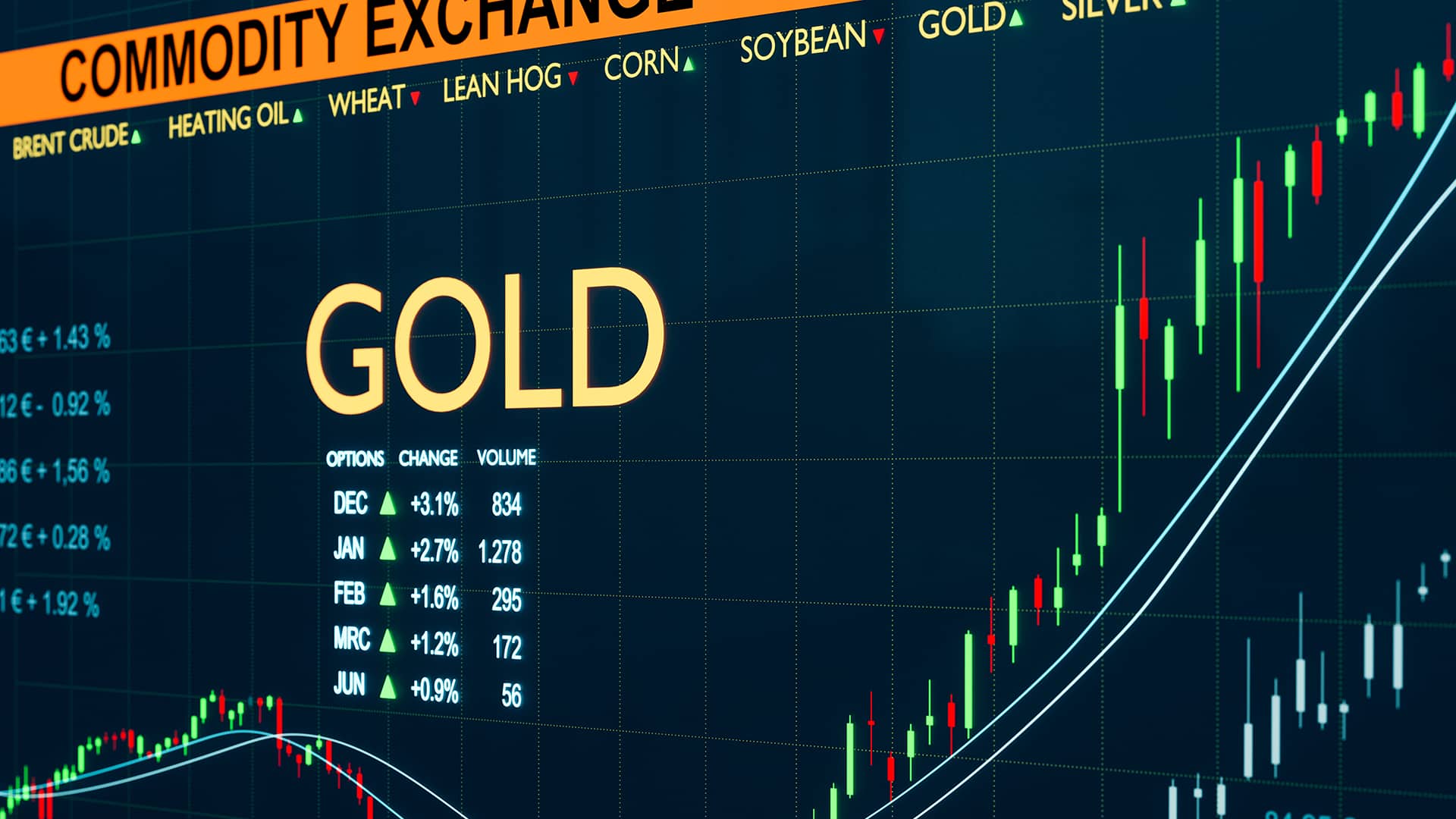
Gold has overtaken the euro as the second-largest reserve asset held by central banks — a symbolic moment that has sparked debate about global monetary shifts. But is this gold rally a signal of fundamental change in the international system, or just a temporary shine?
Gold Surpasses the Euro in Reserve Rankings
According to recent data, gold has now outpaced the euro in global central bank reserves. This shift isn’t due to any massive structural reshuffling, but largely due to a 30% rally in gold prices, which boosted the metal’s share in reserve portfolios.

While some may dismiss this as a result of “maths,” the truth is more nuanced — central banks themselves are driving demand, accounting for more than 20% of total gold purchases for three consecutive years.
Gold and Inflation-Linked Bonds: Competing ‘Portal Assets’
Gold and inflation-linked bonds both serve as vehicles for transferring wealth across uncertain monetary regimes. Historically, when yields on inflation-linked bonds fall, gold becomes more attractive, and vice versa.
The recent divergence between the two assets may reflect diminished confidence in US debt, or it might be a temporary market distortion, not a historic turning point.
Geopolitics and Sanctions as a Catalyst for Gold Buying
Central banks in emerging markets — especially those exposed to Western sanctions — have increasingly turned to gold.
-
After the 2022 Ukraine invasion, Russia’s foreign reserves were frozen by the US and EU.
-
Since 2014, Russia has significantly increased gold holdings as a hedge against Western financial pressure.
-
A World Gold Council survey found that 25% of emerging market reserve managers cited sanctions fears as a key reason for holding gold.
Why the Dollar and Euro Aren’t Finished Yet
Despite this gold rush, developed market central banks are unlikely to drastically shift allocations.

One central banker told OMFIF:
“It’s an asset class that is very hard to manage, mainly because nobody knows why the price moves.”
Meanwhile, the euro still enjoys deep capital markets, global liquidity, and a central bank that is technocratic and rule-bound. The euro is also used extensively in trade invoicing and FX settlements, especially in the Eurozone.
Conclusion
While gold’s rally is real — and in some cases rational — it may not reflect a broader rejection of the US dollar or the euro. For emerging markets wary of sanctions, gold offers protection. But for most of the world, especially developed economies, the fundamentals of reserve currency choice still favor large, liquid, rule-based systems. Gold may be having a moment, but it’s not yet a monetary revolution.
🔗 EXPLORE MORE LATEST NEWS RIGHT HERE!
- Forex: Get the latest trends and effective trading strategies
- Crypto: Stay updated on the hottest cryptocurrency market news
- Stock & Commodities: Discover potential investment opportunities
- Trading Brokers: Choose reliable brokers for your trades
- Expert Advisor: Smart tools to assist your trading
- Finance News: 24/7 updates on financial news
DON’T MISS OUT, CLICK AND READ NOW!
- t.me/finance_solutes
- Website: https://finance-solutes.com
- Hotline: +1 929 5636 439 ( Hotline )
- 26 Broadway, Suite 934, New York, 10004, US
