
 XM
XM Bybit
Bybit Binance
 Robinhood
 Webull
 IC Markets
 Pepperstone
 OKX
OKX Vantage
 VT Markets
 BingX
BingX Gate.io
 Kucoin
 MEXC
MEXC Exness
 Bitget
The age of corporate crypto hoarding is here—and auditors are sweating.
While the rise of Bitcoin treasury companies has created a new class of asset-heavy businesses, it’s also exposed gaping holes in traditional audit practices. The opaque nature of crypto custody, combined with weak verification standards, is making it nearly impossible for auditors to confidently verify the existence and control of billions in digital assets.

A Pound Coin Thought Experiment
Imagine a company founded solely to manage a single pound coin. Shares are issued, sold, and re-valued—not based on actual value creation, but on the illusion of internal yield. The logic? Buy pounds with pounds, mark up the “pound-per-share” ratio, and call it arbitrage.

While satirical, this model is eerily similar to how some crypto treasury companies appear to operate: trading off the narrative of rising value, with little underlying proof of reserves.
Crypto vs. Cash: A Verification Chasm
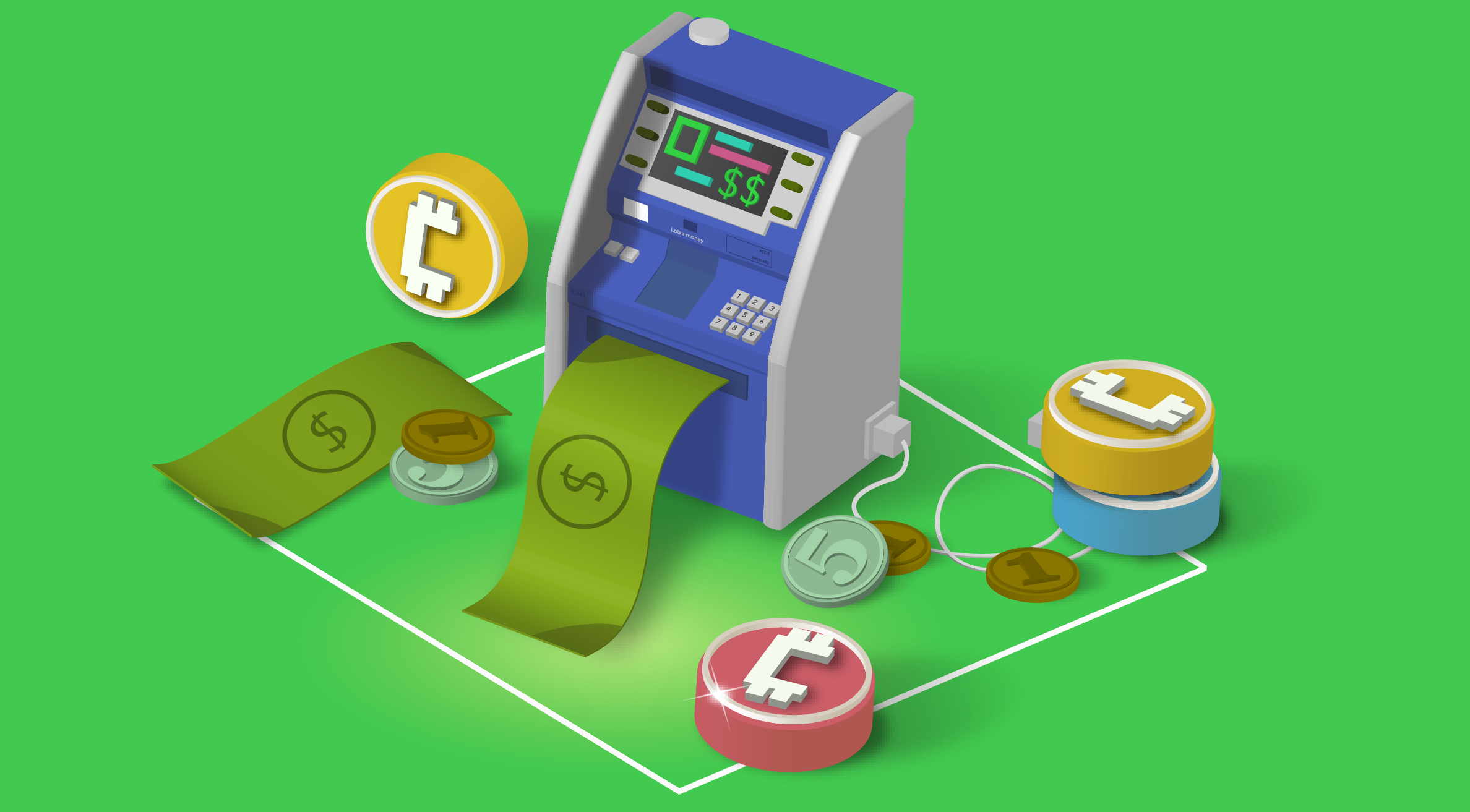
Auditing fiat currency is relatively straightforward. Coins and notes can be counted, bank records verified, and cash movements traced. But crypto is another beast entirely.
Wallets can be private. Custodians may not be transparent. Token balances may be pledged, borrowed, or duplicated across ledgers. Even ownership is often unverifiable without on-chain proof, which many firms refuse to publish.
The auditing process becomes a guessing game—especially when the only evidence comes from the very companies being audited.
Guidelines Exist, but Are Toothless
Although audit standards for physical commodities are well-established, crypto remains in murky territory. The Public Company Accounting Oversight Board (PCAOB) has flagged consistent audit failures—many stemming from insufficient procedures and misplaced trust in management claims.
One Texas firm even sued the PCAOB, accusing it of retroactive enforcement without clear crypto-specific standards. The case was dismissed, but the audit profession’s confusion lingers.

Who’s Holding What? A Patchwork of Practices
-
MicroStrategy, the titan of Bitcoin treasury firms, does not disclose wallet addresses. Its auditor, KPMG, applies blockchain-based reconciliation tools but admits to especially subjective judgment.
-
Metaplanet (Japan) works with a third-party authentication firm, but specifics remain sparse.
-
CleanSpark, Semler Scientific, and Cango rely on independent confirmations and control tests—but practices vary widely in depth and transparency.
-
Smaller or non-US firms like Next Technology or The Blockchain Group offer little insight beyond boilerplate statements.
-
And some, like Twenty One Capital or RemixPoint, have yet to say anything at all.
The Auditor’s Dilemma: Verify What, Exactly?

The fundamental problem is that crypto’s defining feature—decentralized, pseudonymous value—makes it nearly impossible to apply traditional auditing rigor. Liabilities, rehypothecation, or dual ownership can’t be seen on a blockchain.
Auditors can confirm transactions, not control. They can verify balances, not encumbrances.
For crypto treasury companies, this creates a dangerous accountability vacuum. Their entire business rests on the trustworthiness of their balance sheets, which in turn rests on audits with no clear foundation.
Conclusion
Bitcoin treasury companies have turned into one of the strangest puzzles for financial professionals: enormous balance sheets with assets no one can independently verify.
Without on-chain transparency, the burden falls entirely on auditors—who are often under-equipped, under-guided, and legally vulnerable. For investors, the promise of “hodl forever” might just be hiding a hollow vault.
Until there’s a global standard for crypto auditability, or companies voluntarily expose their reserves, one thing is certain: pound coin treasury might just be the more honest pyramid scheme.
🔗 EXPLORE MORE LATEST NEWS RIGHT HERE!
- Forex: Get the latest trends and effective trading strategies
- Crypto: Stay updated on the hottest cryptocurrency market news
- Stock & Commodities: Discover potential investment opportunities
- Trading Brokers: Choose reliable brokers for your trades
- Expert Advisor: Smart tools to assist your trading
- Finance News: 24/7 updates on financial news
DON’T MISS OUT, CLICK AND READ NOW!
- t.me/finance_solutes
- Website: https://finance-solutes.com
- Hotline: +1 929 5636 439 ( Hotline )
- 26 Broadway, Suite 934, New York, 10004, US
