
 XM
XM Bybit
Bybit Binance
 Robinhood
 Webull
 IC Markets
 Pepperstone
 OKX
OKX Vantage
 VT Markets
 BingX
BingX Gate.io
 Kucoin
 MEXC
MEXC Exness
 Bitget
Arrests of economists and former minister raise concerns of return to hyperinflation era
A New Wave of Arrests Targets the Currency Crisis
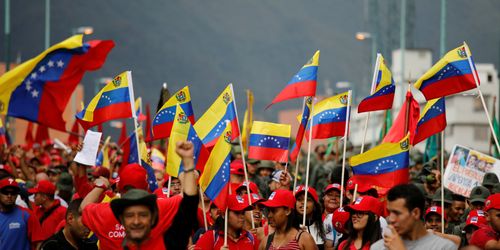
Venezuela’s government has launched a sweeping crackdown on individuals linked to black market currency activity, detaining at least 58 people including a former finance minister and several economists. Officials accuse them of financial crimes and terrorism for publishing parallel exchange rates, in what analysts view as an effort to suppress signs of economic instability rather than solve underlying problems.
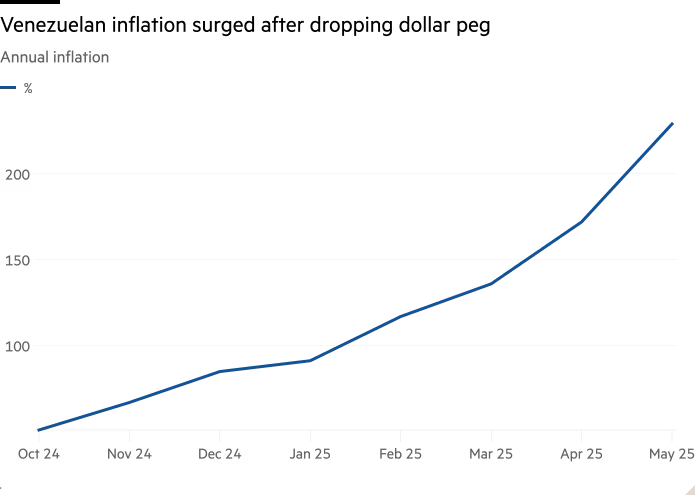
Former finance minister Rodrigo Cabezas, a one-time ally of the late Hugo Chávez, was arrested earlier this month without formal charges. His work with the independent Venezuelan Observatory of Finance (OVF) has drawn scrutiny from authorities, particularly as the think-tank reported inflation jumping from 51% in October to 229% in May.
Disappearing Dollars and a Falling Bolívar
Since President Nicolás Maduro ended the fixed exchange rate in October, the bolívar has lost nearly two-thirds of its value. With dollar reserves drying up after heavy election-related spending and the expiration of Chevron’s license to operate in Venezuela, the government has struggled to manage exchange rates.
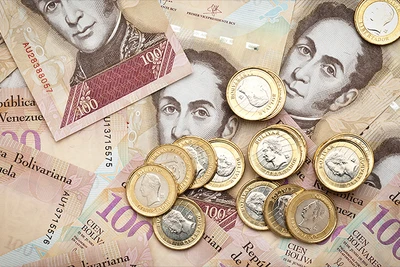
Maduro’s central bank has adopted a policy of mini-devaluations, but the official rate lags behind the black market. As of Friday, the official rate stood at 104.5 bolívars to the dollar, versus 115.4 on the parallel market — a gap that reflects deepening distrust in government policy.
Economic Freedom Under Threat
Independent institutions like the OVF have also come under fire. The central bank stopped publishing inflation data around the same time it ended the fixed exchange rate, making organizations that fill the data gap a target. “Measuring prices is not a crime,” the OVF responded. Meanwhile, over 50 websites that track unofficial exchange rates have been blocked or shut down, according to internet rights group Ve Sin Filtro.
Even ordinary citizens are being swept up in the crackdown. Bárbara Bitriago, a 19-year-old retail worker, was arrested and charged with financial crimes for allegedly being associated with one such site — a claim her family denies.
Rising Repression, Shrinking Economy
Experts warn that the Maduro regime’s strategy could unravel the fragile improvements gained through informal dollarisation and reduced controls in recent years. “These first five months of the year could take us back to the economic chaos of 2016–2017,” said economist Aarón Olmos.
With sanctions intensifying, dollars disappearing, and policy growing more opaque, public sentiment is bleak. “If they jail people, that won’t fix anything,” said Rosa, a government employee earning $1.26 a month. “We’re still poor, and the dollar will keep going up.”
Conclusion
Venezuela’s attempt to suppress black market currency tracking and silence economic criticism may temporarily mask deeper issues — but analysts and citizens alike warn that such repression risks plunging the nation back into financial ruin. Without structural reforms, arrests and censorship are unlikely to stop the bolívar’s decline — or restore trust in the government.
🔗 EXPLORE MORE LATEST NEWS RIGHT HERE!
- Forex: Get the latest trends and effective trading strategies
- Crypto: Stay updated on the hottest cryptocurrency market news
- Stock & Commodities: Discover potential investment opportunities
- Trading Brokers: Choose reliable brokers for your trades
- Expert Advisor: Smart tools to assist your trading
- Finance News: 24/7 updates on financial news
DON’T MISS OUT, CLICK AND READ NOW!
- t.me/finance_solutes
- Website: https://finance-solutes.com
- Hotline: +1 929 5636 439 ( Hotline )
- 26 Broadway, Suite 934, New York, 10004, US
