
 XM
XM Bybit
Bybit Binance
 Robinhood
 Webull
 IC Markets
 Pepperstone
 OKX
OKX Vantage
 VT Markets
 BingX
BingX Gate.io
 Kucoin
 MEXC
MEXC Exness
 Bitget
Once hailed as a rising powerhouse in the energy sector, UK-based Prax Group has collapsed into insolvency — a dramatic fall for a company that just months ago was calling itself a “formidable force.” The downfall of its parent entity, State Oil Ltd, and its key asset, the Lindsey Oil Refinery, has sparked government concern, investor scrutiny, and warnings about unchecked growth and weak financial foundations.
A Meteoric Rise Fueled by Acquisitions
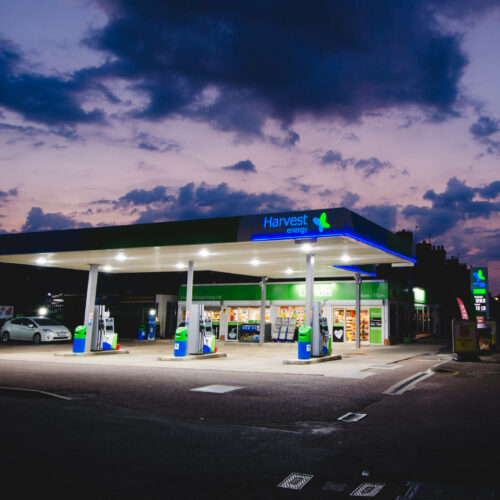
Founded by Sanjeev and Arani Soosaipillai in 1999 with a single petrol station, Prax grew rapidly through aggressive acquisitions.
-
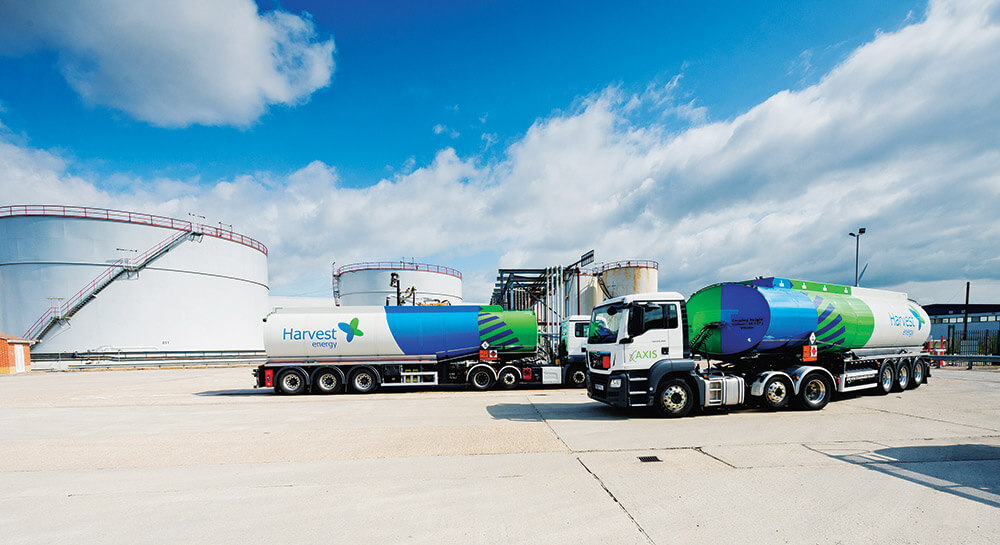
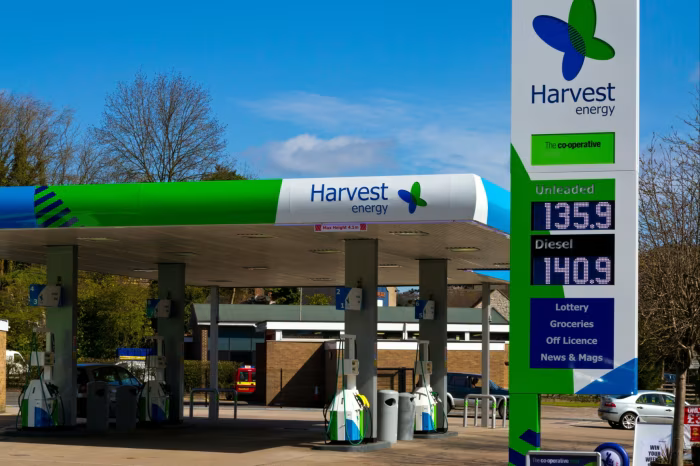
In 2015, it acquired Harvest Energy, expanding into UK forecourts.
-
By 2020, Prax secured the Lindsey Oil Refinery from TotalEnergies for $167.6mn.
-
Within a year, the refinery’s assets were revalued to $667.8mn — raising industry eyebrows.
-
By 2024, Prax’s reported turnover had surged from $3bn to over $10bn.
But growth outpaced operational capacity. Industry insiders describe the company as “smoke and mirrors”, struggling to balance its books even as it bought up international assets.
The Financial Fragility Behind the Ambition
Despite its scale, Prax lacked the capital strength and financial discipline needed to manage a cash-intensive refinery. Lindsey’s operations required an estimated $400mn in working capital — a tall order for a company preferring internal guarantees over costly bank credit.
Losses mounted:
-
State Oil Ltd reported a $28.7mn loss in 2024.
-
Lindsey Oil Refinery Ltd posted a £40mn loss.
Yet, a $5.2mn dividend was paid to the founding family in the same year.
Project King, an internal restructuring effort led by Deloitte in late 2023, was aimed at slashing costs and improving liquidity — a sign of mounting desperation.
Regulatory and Operational Shortcomings
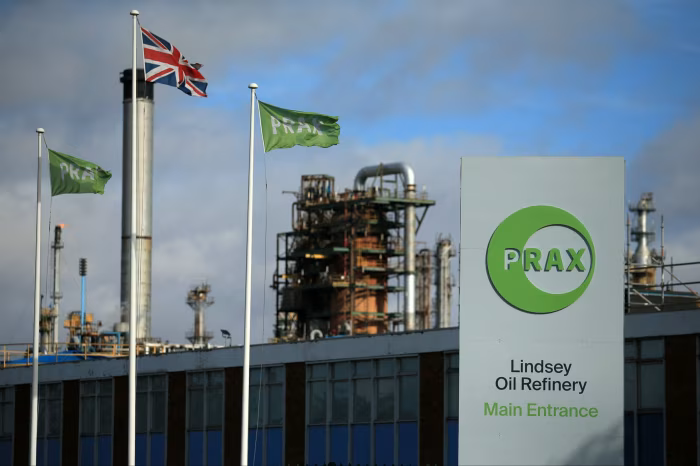
UK authorities were alerted to issues at Lindsey as early as April, but Prax continued to downplay the risks. Energy secretary Ed Miliband met with Sanjeev Soosaipillai in May, only to see the business collapse just weeks later.
Critics point to a lack of refining expertise at the top and questionable strategic decisions — including cross-guarantees that left multiple group entities exposed.
As a result, the following units entered administration:
-
State Oil Ltd
-
Prax Lindsey Oil Refinery
-
Prax Petroleum
-
Harvest Energy
-
Harvest Energy Aviation
Excluded from the process are the company’s upstream, retail, and international logistics divisions.
A Sector Not Doomed — But Mismanaged
Despite challenges such as carbon costs and global competition, experts say the UK refining sector is still viable. Lindsey’s collapse was avoidable.
Alan Gelder of Wood Mackenzie noted that “margins haven’t collapsed.” Instead, he and others blame internal governance, lack of experience, and an over-reliance on opaque financial structures for the downfall.
Glencore, Prax’s key oil supplier, holds security over some inventory and is now involved in discussions to manage the refinery’s future responsibly.
Conclusion
The Prax Group story serves as a stark reminder: ambition without adequate financial controls and operational discipline can be fatal — especially in high-stakes, capital-heavy industries like oil refining. For founder Sanjeev Soosaipillai, who once saw Prax as his life’s work, the collapse marks more than just a business failure — it’s a deeply personal loss.
🔗 EXPLORE MORE LATEST NEWS RIGHT HERE!
- Forex: Get the latest trends and effective trading strategies
- Crypto: Stay updated on the hottest cryptocurrency market news
- Stock & Commodities: Discover potential investment opportunities
- Trading Brokers: Choose reliable brokers for your trades
- Expert Advisor: Smart tools to assist your trading
- Finance News: 24/7 updates on financial news
DON’T MISS OUT, CLICK AND READ NOW!
- t.me/finance_solutes
- Website: https://finance-solutes.com
- Hotline: +1 929 5636 439 ( Hotline )
- 26 Broadway, Suite 934, New York, 10004, US
