
 XM
XM Bybit
Bybit Binance
 Robinhood
 Webull
 IC Markets
 Pepperstone
 OKX
OKX Vantage
 VT Markets
 BingX
BingX Gate.io
 Kucoin
 MEXC
MEXC Exness
 Bitget
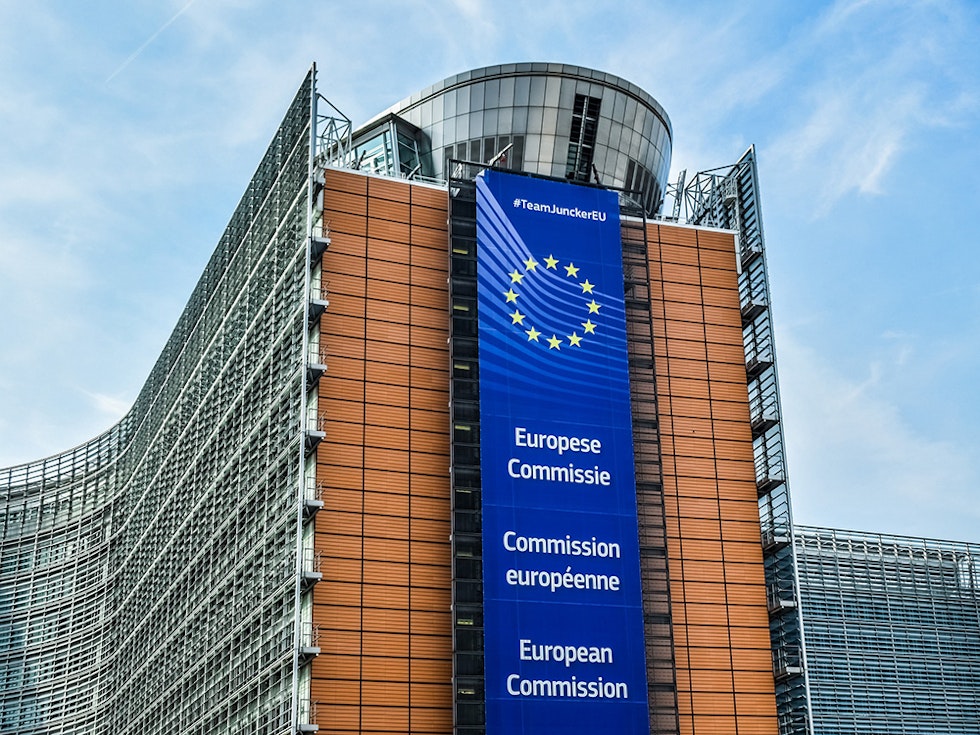
In response to escalating geopolitical tensions, climate instability, and cyber threats, the European Union plans to create emergency stockpiles of critical materials and essential supplies. A draft strategy by the European Commission outlines a new, coordinated approach to enhance the bloc’s preparedness and resilience against future crises.
Building Strategic Reserves for a Riskier Future
The European Commission warns that the EU is facing a “deteriorating risk landscape,” marked by increasing global conflict, environmental degradation, and hybrid threats, including cyberattacks. To respond effectively, Brussels proposes building stockpiles of essential goods — from critical minerals to cable repair kits — and establishing a continent-wide strategy for crisis preparedness.
Focus on Critical Infrastructure and Resources
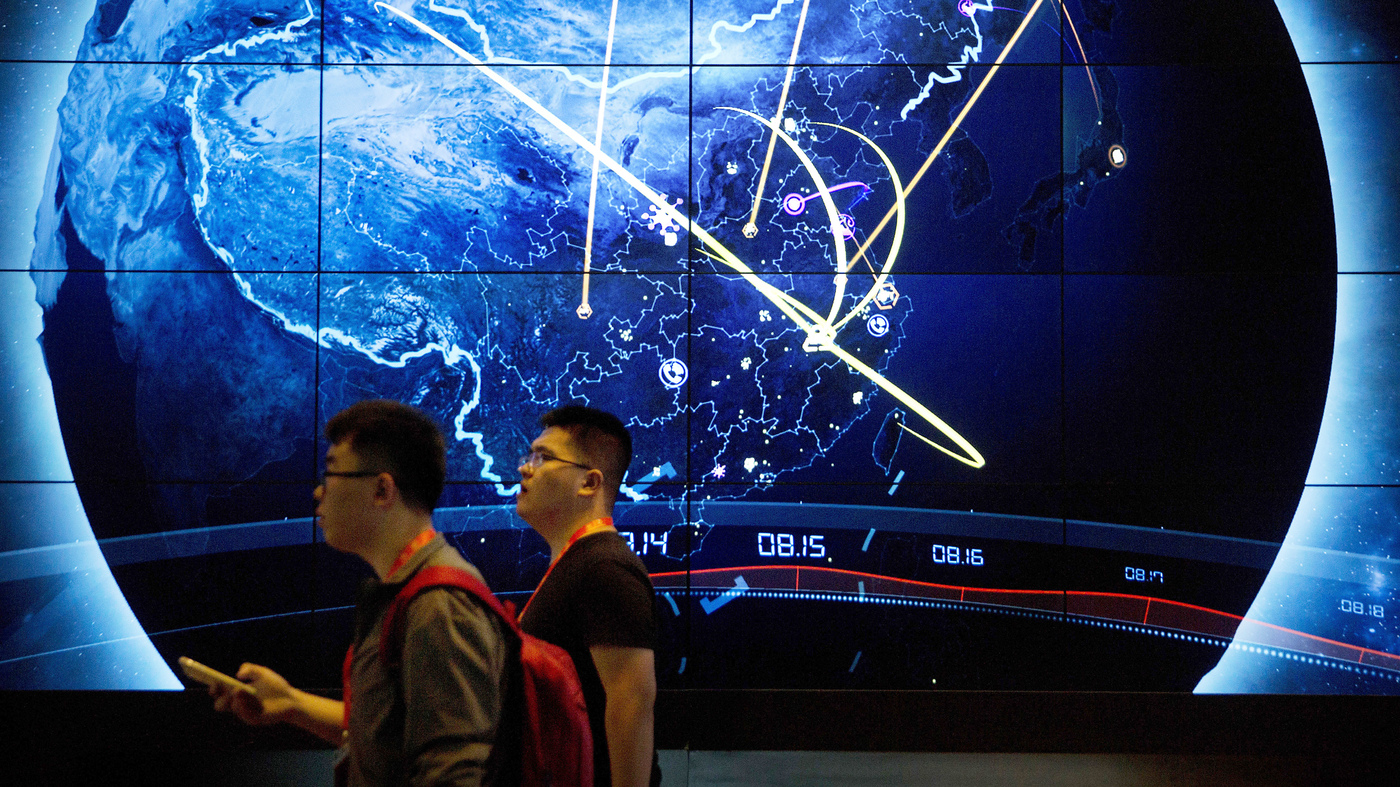
The draft strategy emphasizes the need to safeguard key infrastructure, especially underwater communication cables and gas pipelines, which have been targets of recent sabotage attempts. To reduce vulnerability, the EU aims to stockpile rare earth elements, permanent magnets, and components vital to energy and defense systems.

Emergency Preparedness Beyond Minerals
In addition to minerals and repair equipment, the European Commission encourages member states to coordinate the storage of backup food, medicine, and even nuclear fuel. Cable repair modules will be centrally stocked to ensure rapid response to communication or power disruptions.
The EU also maintains firefighting aircraft, field hospitals, and medical supplies in 22 member states — but the strategy calls for stronger integration through a new “stockpiling network.”
Climate Change and Cybersecurity Add Pressure
The EU is warming at twice the global average, heightening the urgency to respond to natural disasters. For instance, wildfires in Crete this week led to the evacuation of 5,000 residents. Meanwhile, cybercriminals, hacktivists, and state-backed actors are increasingly active, threatening essential services.
The strategy notes that “security should be treated as a public good,” echoing the advice of former Finnish president Sauli Niinistö, who urged Brussels to adopt a “preparedness mindset” in crisis planning.
Regional Tailoring and Private Sector Involvement
To improve efficiency, the EU will compile regional lists of essential goods based on different crisis scenarios. It also encourages tax credits and other incentives to involve private companies in stockpiling efforts. Cooperation with allies — such as shared warehousing and better coordination with NATO — is also recommended.
Funding and Future Plans
The European Commission plans to include stockpiling investment needs in the upcoming proposals for the EU’s new multiannual budget. The full strategy document is expected to be published next week, though details may change before final approval.
Conclusion
As global threats grow more unpredictable, the EU is shifting from reactive crisis management to proactive resilience-building. Through strategic stockpiling and coordinated planning, the bloc aims to secure its infrastructure, resources, and people against the mounting risks of war, climate change, and cyber disruption.
🔗 EXPLORE MORE LATEST NEWS RIGHT HERE!
- Forex: Get the latest trends and effective trading strategies
- Crypto: Stay updated on the hottest cryptocurrency market news
- Stock & Commodities: Discover potential investment opportunities
- Trading Brokers: Choose reliable brokers for your trades
- Expert Advisor: Smart tools to assist your trading
- Finance News: 24/7 updates on financial news
DON’T MISS OUT, CLICK AND READ NOW!
- t.me/finance_solutes
- Website: https://finance-solutes.com
- Hotline: +1 929 5636 439 ( Hotline )
- 26 Broadway, Suite 934, New York, 10004, US
