
 XM
XM Bybit
Bybit Binance
 Robinhood
 Webull
 IC Markets
 Pepperstone
 OKX
OKX Vantage
 VT Markets
 BingX
BingX Gate.io
 Kucoin
 MEXC
MEXC Exness
 Bitget
The 22 largest US banks, including JPMorgan Chase, Goldman Sachs, and Bank of America, have successfully passed the Federal Reserve’s 2025 annual stress tests, affirming their resilience in a severe economic downturn. The results pave the way for increased shareholder payouts via dividends and stock buybacks.
Lighter Recession Scenario Than Last Year
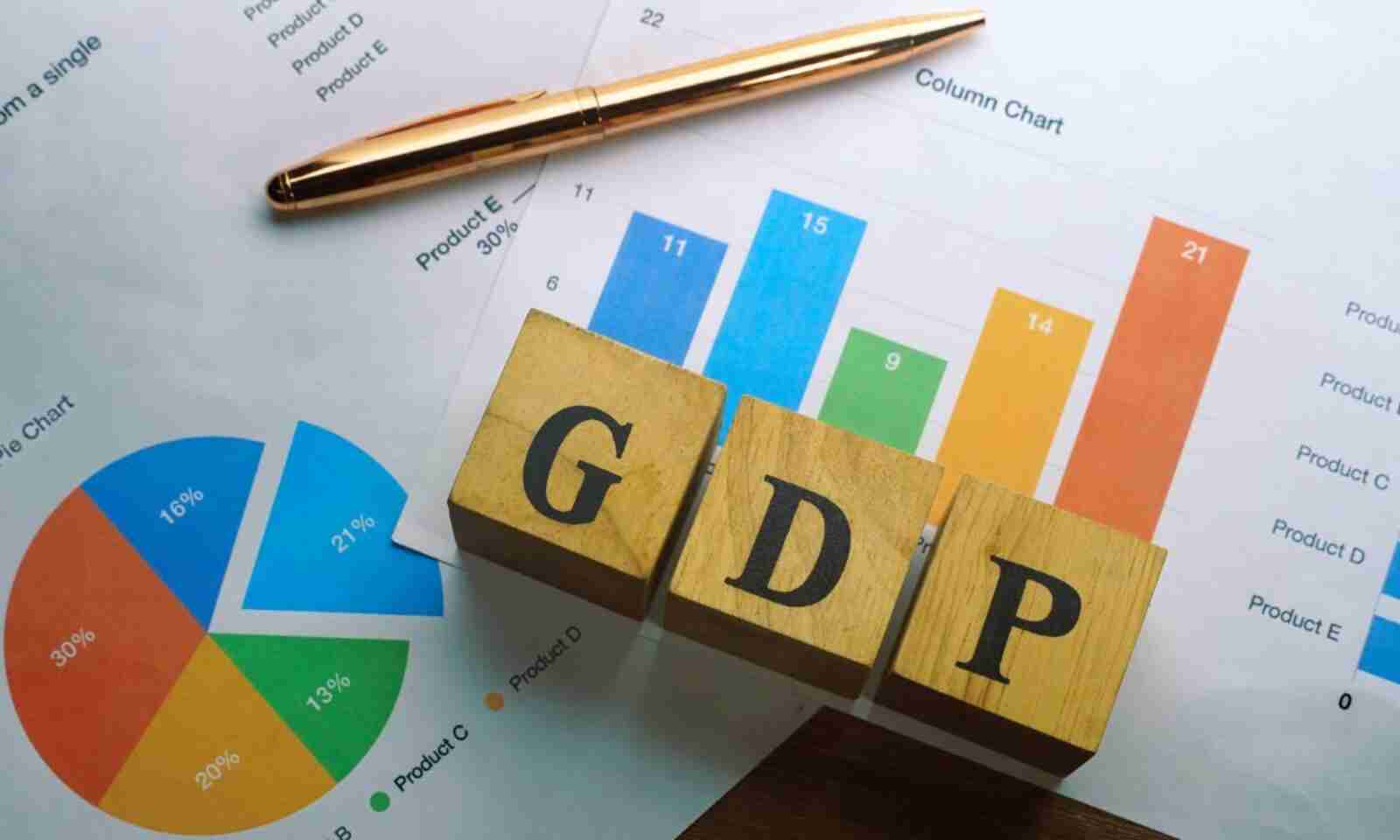
This year’s “severely adverse” scenario — designed to test the robustness of the financial system — assumed a 10% unemployment rate, a 7.8% decline in GDP, and steep drops in housing and commercial property prices (33% and 30%, respectively). Despite its extreme tone, the scenario was milder than last year’s. The market crash component, including a 50% drop in equities and a significant sell-off in high-yield bonds, was also less severe.
Strong Capital Buffers Maintained
According to the Fed, banks would face over $500 billion in hypothetical losses under this scenario but still maintain strong capital positions. The aggregate tier one capital ratio would decline by just 1.8 percentage points — significantly lower than the 2.8-point fall in 2024’s exercise.
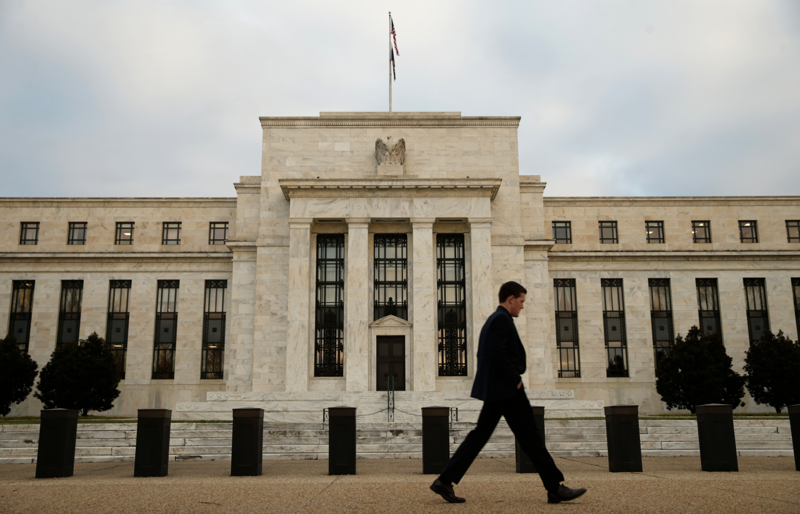
However, the Fed plans to shift toward a two-year averaging method to calculate capital requirements, which would increase the expected capital reduction to 2.3%. This aims to smooth volatility in stress test results, which Vice Chair Michelle Bowman described as a more balanced and stable approach.
Key Bank-Specific Results
-
Deutsche Bank USA saw the largest hypothetical drop in capital — over 12% — based on the average of the last two tests.
-
US subsidiaries of UBS (Switzerland) and RBC (Canada) also showed significant capital declines.
-
Despite these figures, all tested institutions remained above regulatory minimums.
Regulatory Shift Under Trump-Era Influence
The Fed’s gentler stress scenario signals a broader shift in regulatory tone since Donald Trump’s return to political relevance. The central bank, under pressure to support investment and growth, is reviewing capital rules and planning to revise several frameworks, including the Enhanced Supplementary Leverage Ratio (eSLR).
Furthermore, the Fed has committed to enhancing transparency in the stress-testing process after legal pressure from major bank lobbying groups.

What’s Next for the Banks?
Banks must wait until Tuesday to announce their revised capital plans, including potential dividend increases and share buybacks. Market analysts expect more generous shareholder returns, especially given banks’ improved profitability and less burdensome regulatory projections.
Conclusion
The 2025 stress test results reinforce the strength of the US banking system and highlight a regulatory environment that is becoming more accommodating. While vigilance remains key, the outcome provides a green light for banks to reward investors — and for regulators to refine their oversight methods in a more predictable, less volatile framework.
🔗 EXPLORE MORE LATEST NEWS RIGHT HERE!
- Forex: Get the latest trends and effective trading strategies
- Crypto: Stay updated on the hottest cryptocurrency market news
- Stock & Commodities: Discover potential investment opportunities
- Trading Brokers: Choose reliable brokers for your trades
- Expert Advisor: Smart tools to assist your trading
- Finance News: 24/7 updates on financial news
DON’T MISS OUT, CLICK AND READ NOW!
- t.me/finance_solutes
- Website: https://finance-solutes.com
- Hotline: +1 929 5636 439 ( Hotline )
- 26 Broadway, Suite 934, New York, 10004, US
