
 XM
XM Bybit
Bybit Binance
 Robinhood
 Webull
 IC Markets
 Pepperstone
 OKX
OKX Vantage
 VT Markets
 BingX
BingX Gate.io
 Kucoin
 MEXC
MEXC Exness
 Bitget
WASHINGTON, February 5 (Reuters) – China has filed a complaint with the World Trade Organization (WTO) on Wednesday regarding U.S. President Donald Trump’s new 10% tariffs on Chinese imports and the cancellation of tax exemptions for low-value packages. Beijing claims these measures are “protectionist” and violate WTO regulations.
The Chinese request for trade consultations with the U.S. comes amid confusion among shippers and retailers following Trump’s termination of the “de minimis” exemption for packages valued under $800, a rule widely used by e-commerce giants like Shein, Temu (PDD.O), and Amazon (AMZN.O).
U.S. Customs Tightens Regulations
A U.S. Customs and Border Protection (CBP) official stated that all small parcels from China and Hong Kong must now include pre-arrival customs declarations. Failure to provide proper documentation may result in shipments being returned.
The WTO confirmed that China has formally requested consultations with the U.S. over the tariffs. Beijing argues that Trump’s new tariffs, imposed to curb the flow of fentanyl and its precursor chemicals into the U.S., are based on “unfounded and false allegations.”
China asserts that these tariffs are discriminatory, applying only to Chinese-origin goods and violating U.S. obligations under the WTO.
Legal Challenges and WTO Limitations
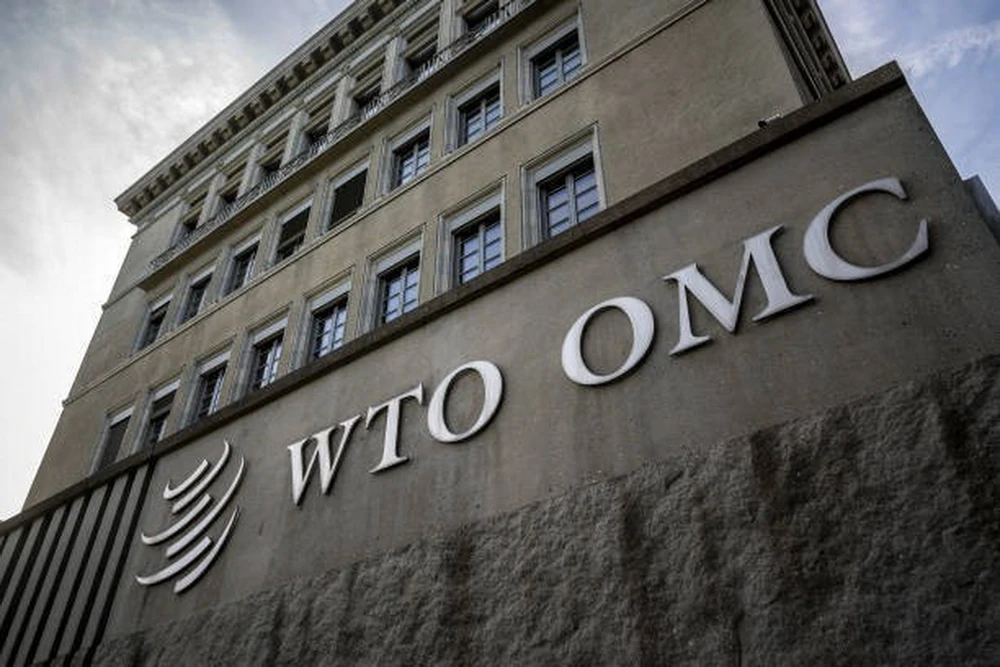
The consultation request marks the beginning of a dispute resolution process that could lead to a ruling against Trump’s tariffs. A similar 2020 WTO decision deemed his initial tariffs on China unlawful.
However, a favorable ruling for China may not bring relief. The WTO’s Appellate Body has been nonfunctional for years due to U.S. opposition to appointing new judges, effectively blocking final dispute resolutions.
PARCEL CHAOS AND E-COMMERCE IMPACT

The U.S. Postal Service (USPS) announced on Wednesday that it will continue accepting parcels from China and Hong Kong, reversing a temporary suspension that threatened to disrupt millions of daily shipments.
Martin Palmer, co-founder of Hurricane Commerce, a cross-border e-commerce data provider, said: “Everyone is running around like headless chickens trying to guess what’s next. In two weeks, things might return to normal.”
The Trump administration blames the de minimis exemption for allowing fentanyl and its precursors into the U.S. unchecked. A recent Reuters report also found that drug traffickers have exploited this loophole.
USPS stated that it is working with CBP to implement an effective collection mechanism for new Chinese tariffs to minimize disruptions in delivery.
NO TRUMP-XI TALKS SCHEDULED
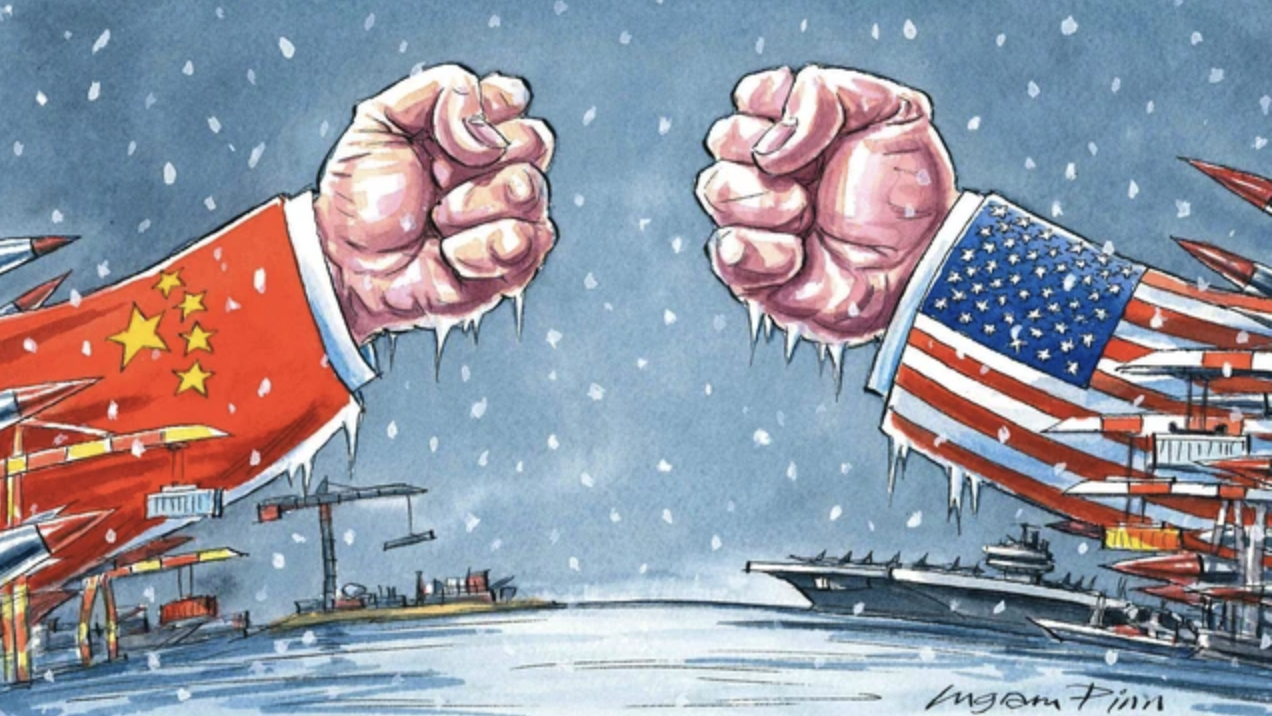
A source familiar with the matter told Reuters that no call has been scheduled between Trump and Chinese President Xi Jinping to discuss the new tariffs or China’s countermeasures.
On Tuesday, Trump said he was in no rush to speak with Xi, as the tariffs were set to take effect immediately after midnight Eastern Time.
In retaliation, China imposed tariffs on U.S. coal, liquefied natural gas, crude oil, and agricultural equipment. Beijing also launched an antitrust investigation into Alphabet Inc.’s (GOOGL.O) Google.
MARKET AND INDUSTRY RESPONSE
Retailers and shipping firms have struggled to adapt to the abrupt policy change.
“There was no time for anyone to prepare,” said Maureen Cori, co-founder of New York-based consultancy Supply Chain Compliance. “We need clear government guidance on handling this situation with no prior warning.”
Previously, de minimis parcels were consolidated for customs clearance, allowing hundreds or thousands of shipments to be processed simultaneously. Now, each package requires individual clearance, significantly increasing the burden on postal services, brokers, and customs agents.
The de minimis provision was initially designed to streamline trade, and its use has surged with the rise of online shopping.
According to U.S. Customs and Border Protection (CBP), approximately 1.36 billion shipments entered the U.S. under the de minimis rule in 2024, a 36% increase from 2023.
TARIFF UNCERTAINTY AND ECONOMIC RISKS
U.S. Treasury Secretary Scott Bessent defended Trump’s tariff strategy in his first media interview since taking office, stating that the goal is to bring manufacturing back to the U.S., including industries that have largely moved offshore.
Federal Reserve officials cited major policy uncertainties surrounding tariffs as one of the top challenges in shaping U.S. monetary policy for the coming months.
Chicago Fed President Austan Goolsbee warned that ignoring the potential inflationary impact of tariffs would be a mistake. Richmond Fed President Thomas Barkin added that it remains unclear whether the added costs from tariffs will be absorbed by businesses or passed on to consumers.
EXPLORE MORE LATEST NEWS RIGHT HERE!
- Forex: Get the latest trends and effective trading strategies
- Crypto: Stay updated on the hottest cryptocurrency market news
- Stock & Commodities: Discover potential investment opportunities
- Trading Brokers: Choose reliable brokers for your trades
- Expert Advisor: Smart tools to assist your trading
- Finance News: 24/7 updates on financial news
DON’T MISS OUT, CLICK AND READ NOW!
- t.me/finance_solutes
- Website: https://finance-solutes.com
- Hotline: +1 929 5636 439 ( Hotline )
- 26 Broadway, Suite 934, New York, 10004, US
