
 XM
XM Bybit
Bybit Binance
 Robinhood
 Webull
 IC Markets
 Pepperstone
 OKX
OKX Vantage
 VT Markets
 BingX
BingX Gate.io
 Kucoin
 MEXC
MEXC Exness
 Bitget
The U.S. dollar experienced its largest weekly decline since the early-April sell-off triggered by President Donald Trump’s tariff announcement. Investor anxiety over the nation’s fiscal health and the potential impact of Trump’s tax cut legislation weighed heavily on the currency, pushing it down 2% over five days.
Dollar’s Weekly Slide Deepens Amid Debt Worries
On Friday, the dollar dropped 0.9% against a basket of major currencies including the euro and the yen. This brought the weekly loss to 2%, marking the steepest six-week decline for the greenback. The renewed concern stemmed from the Trump tax bill, which intensified worries about the rising U.S. debt. Some investors began questioning whether to reduce their large dollar asset positions amid fears of erratic policy making and ongoing trade tensions.
Market Sentiment and De-Dollarization Fears
Chris Turner, Global Market Research Director at ING, commented: “Persistent concerns about the quality of U.S. asset markets and the threat of de-dollarization continue to pressure the dollar.”
Turner cited recent data showing capital outflows from U.S. assets and referenced G7 finance ministers’ statements highlighting “unsustainable global macroeconomic imbalances.” This was seen as a nod to Asia’s large trade surplus with the U.S.
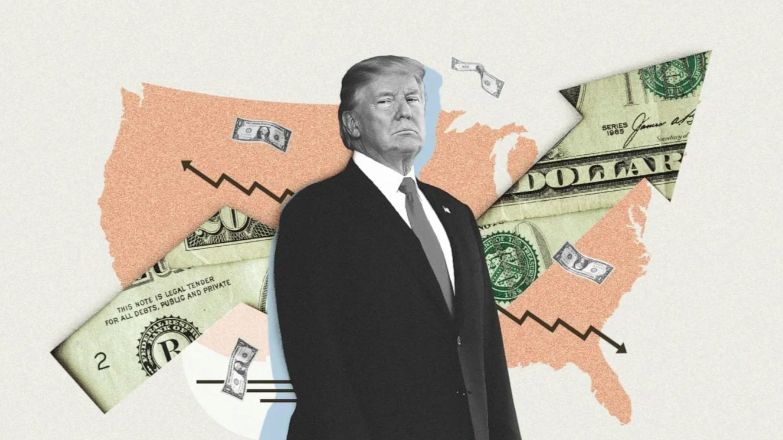
U.S. Treasury Attempts to Calm Markets
U.S. Treasury Secretary Scott Bessent sought to ease investor worries over the dollar’s weakness in a Friday Bloomberg TV interview. He explained that the dollar’s drop was mainly due to other currencies strengthening rather than the dollar weakening itself. Bessent pointed to an “expansionary financial environment” in Europe boosting the euro, alongside the Bank of Japan’s recent interest rate hikes supporting the yen.

Asian Currencies Gain on Trade Deal Hopes
Speculation that some Asian countries might strike trade agreements with the U.S., including measures to strengthen their currencies against the dollar, helped lift several Asian currencies recently. Notably, the South Korean won and the Taiwan dollar benefited from these developments.
Lee Hardman, Senior Currency Analyst at MUFG Bank, said: “New investor concerns about the U.S. financial outlook, coupled with speculation that the Trump administration is trying to weaken the dollar in talks with other countries, have contributed to the recent sell-off.”
Impact of Tax Bill on U.S. Bonds and Treasury Yields
Investor fears that the Trump tax cut could worsen the U.S. deficit triggered a sell-off in long-term U.S. bonds this week, dragging other markets lower as well. The 30-year Treasury yield rose by 0.13 percentage points, surpassing 5%.
Analysts at BBH remarked: “Investor concerns about the growing U.S. financial burden are beginning to take shape.”

Dollar Weakness Reflects Broader Economic Concerns
The dollar has fallen this year as investors worry about the overall impact of Trump’s tariffs on the U.S. economy. Periods of simultaneous declines in dollar assets, government bonds, and stocks signal a sell-off in dollar assets. Usually, higher yields boost dollar asset appeal, but this time, the dollar’s reaction to U.S. interest rates is worrying.
Michael Metcalfe, Macro Strategy Director at State Street Global Advisors, explained:
“The most concerning aspect is how the dollar responds to high U.S. interest rates.”
He noted that when currency and bond prices move in the same direction, it signals a weakening policy sustainability and suggests structural shifts in the market.
Outlook: Continued Dollar Weakness Expected
RBC BlueBay Asset Management analysts predict the dollar will keep weakening as investors seek short-term hedges against the greenback and reassess their structural overexposure to U.S. assets in the long term.
Conclusion
The U.S. dollar’s recent sharp decline reflects deepening investor concerns over America’s fiscal path and the uncertainties surrounding Trump’s economic policies. With bond yields rising and global market shifts underway, the dollar faces continued pressure in the near term as investors adjust their strategies.
🔗 EXPLORE MORE LATEST NEWS RIGHT HERE!
- Forex: Get the latest trends and effective trading strategies
- Crypto: Stay updated on the hottest cryptocurrency market news
- Stock & Commodities: Discover potential investment opportunities
- Trading Brokers: Choose reliable brokers for your trades
- Expert Advisor: Smart tools to assist your trading
- Finance News: 24/7 updates on financial news
DON’T MISS OUT, CLICK AND READ NOW!
- t.me/finance_solutes
- Website: https://finance-solutes.com
- Hotline: +1 929 5636 439 ( Hotline )
- 26 Broadway, Suite 934, New York, 10004, US
