
 XM
XM Bybit
Bybit Binance
 Robinhood
 Webull
 IC Markets
 Pepperstone
 OKX
OKX Vantage
 VT Markets
 BingX
BingX Gate.io
 Kucoin
 MEXC
MEXC Exness
 Bitget
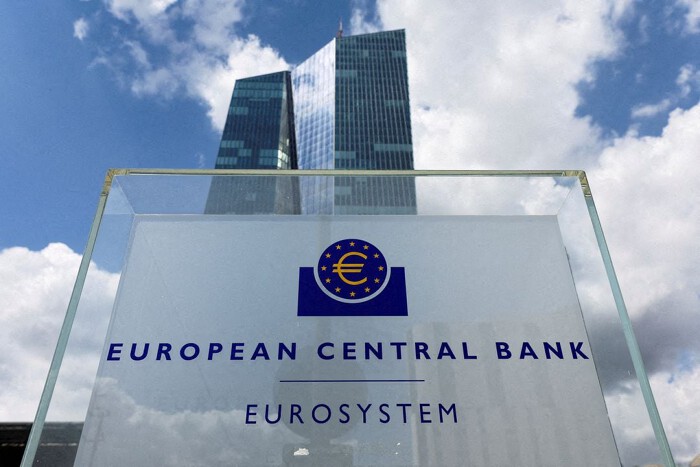
A senior official at the European Central Bank (ECB) has warned that ongoing trade tensions and higher government spending may elevate inflation across the eurozone, potentially limiting the central bank’s ability to continue cutting interest rates.
Tariffs and Defense Spending Raise Inflation Risks
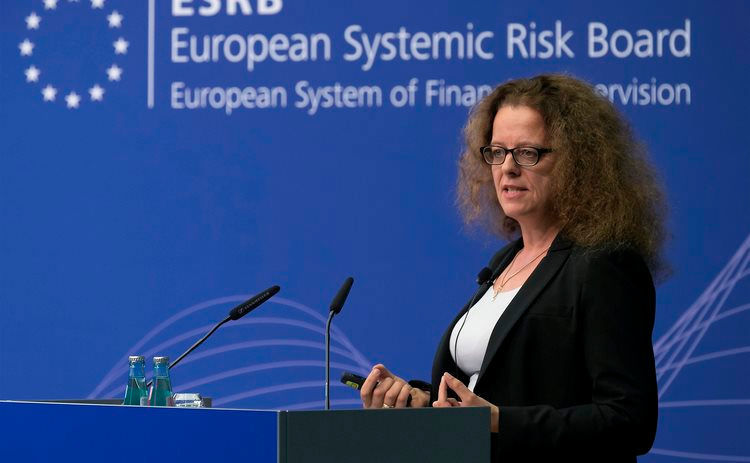
Speaking at Stanford University in California on Friday, Isabel Schnabel, a member of the ECB’s Executive Board, cautioned that global protectionism and a surge in European—particularly German—defense spending could undermine the central bank’s monetary easing path. “There is a risk that a persistent and significant increase in tariffs will add to underlying inflationary pressures stemming from higher fiscal spending in the medium term,” Schnabel said in her speech.
EU Prepares for Potential 20% U.S. Tariff
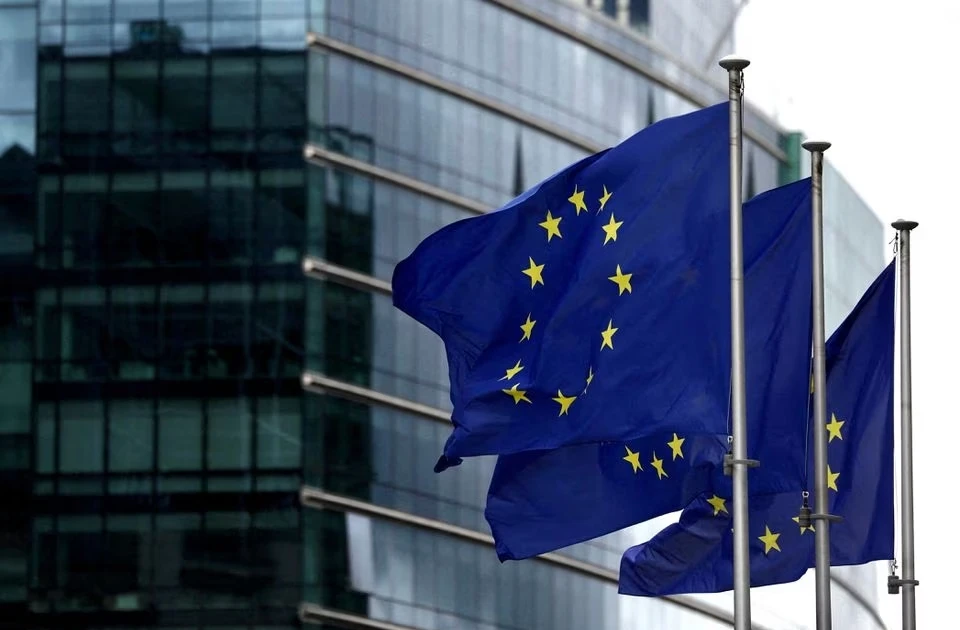
Schnabel’s comments came as the European Union faces the threat of a 20% tariff on all exports to the United States. European Commission President Ursula von der Leyen has stated that the EU is “preparing for all eventualities” in response.
Trade War Could Also Dampen Demand
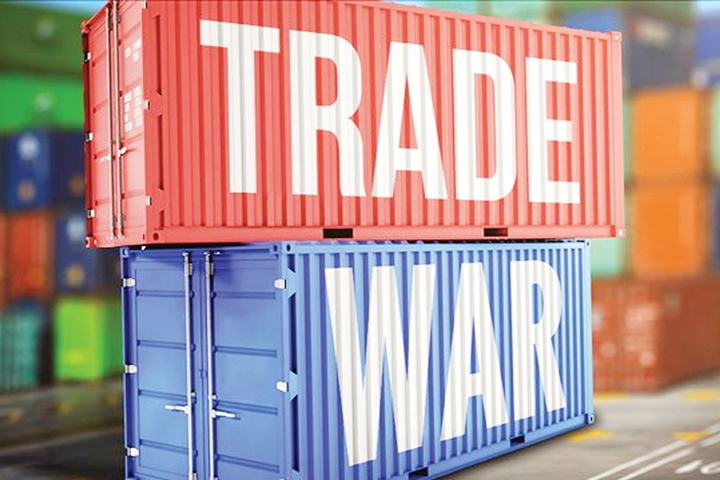
While Schnabel acknowledged that a global trade war could, in theory, lower inflation by dampening demand, she emphasized that the net impact on inflation would “largely depend” on the outcome of ongoing tariff negotiations.
Diverging From Market Expectations
Her remarks challenge the growing market consensus, which expects the ECB to cut rates by 25 basis points at its June meeting. Traders have broadly priced in two to three rate cuts by the end of the year. The ECB has already reduced its benchmark interest rate from 4% to 2.25% through a series of cuts since June last year.
Schnabel Cautions Against Premature Easing
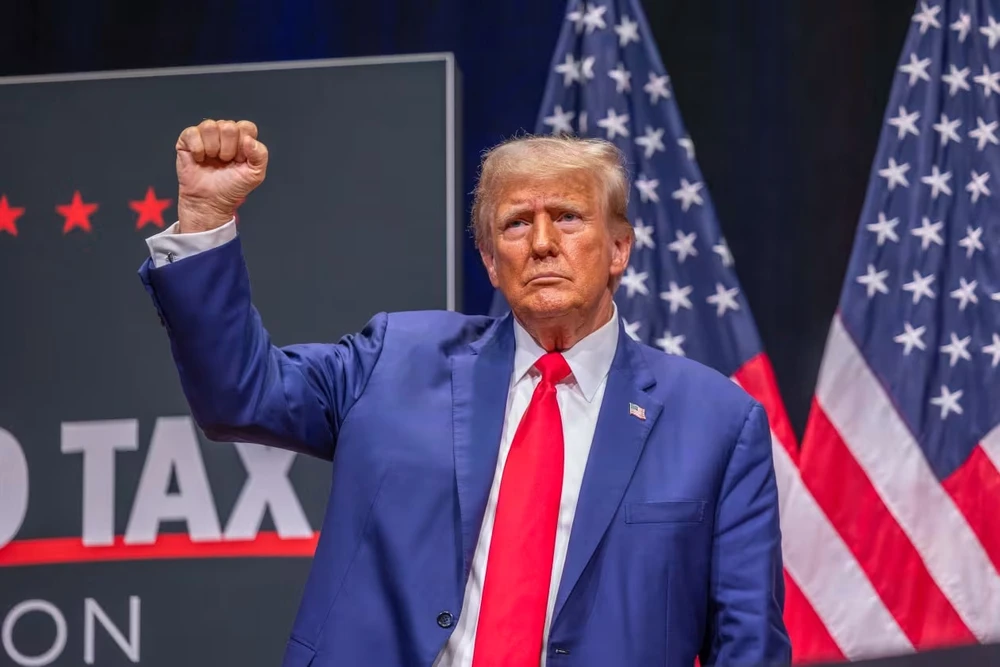
Even before former U.S. President Donald Trump’s announcement on reciprocal tariffs at his “Liberation Day” rally on April 2, Schnabel had called for discussions about pausing further rate reductions in the eurozone. On Friday, she pushed back against the idea that Trump’s trade war might ease inflationary pressure in the region—a scenario some argue could justify more monetary stimulus from the ECB.
Inflation Holding Above Target
Eurozone inflation held steady at 2.2% in April, exceeding expectations and staying above the ECB’s 2% target for a sixth consecutive month. However, analysts suggest the figure may be skewed by temporary effects and expect inflation to decline in the coming months. A stronger euro and falling oil prices—both consequences of U.S. tariff announcements—could also contribute to downward pressure on prices.

Long-Term Inflationary Risks Remain
Despite short-term relief, Schnabel warned that in the medium term, elevated fiscal spending and supply chain disruptions due to tariffs would likely push inflation risks “to the upside.” ECB President Christine Lagarde echoed this concern in April, noting that the net effect of the tariff war on inflation “will become clearer over time,” though it has already delivered a “negative demand shock” with implications for eurozone growth.
Conclusion
As inflation continues to hover above target and geopolitical tensions rise, the ECB may find itself navigating a narrower path for future rate cuts. Schnabel’s comments serve as a caution against assuming a smooth path to monetary easing amid persistent global economic headwinds.
🔗 EXPLORE MORE LATEST NEWS RIGHT HERE!
- Forex: Get the latest trends and effective trading strategies
- Crypto: Stay updated on the hottest cryptocurrency market news
- Stock & Commodities: Discover potential investment opportunities
- Trading Brokers: Choose reliable brokers for your trades
- Expert Advisor: Smart tools to assist your trading
- Finance News: 24/7 updates on financial news
DON’T MISS OUT, CLICK AND READ NOW!
- t.me/finance_solutes
- Website: https://finance-solutes.com
- Hotline: +1 929 5636 439 ( Hotline )
- 26 Broadway, Suite 934, New York, 10004, US
