
 XM
XM Bybit
Bybit Binance
 Robinhood
 Webull
 IC Markets
 Pepperstone
 OKX
OKX Vantage
 VT Markets
 BingX
BingX Gate.io
 Kucoin
 MEXC
MEXC Exness
 Bitget
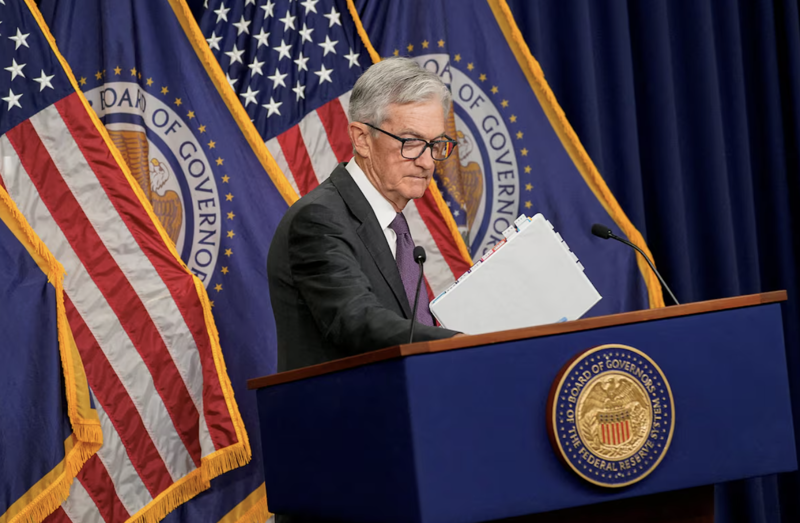
In an unusual financial environment, the Federal Reserve (Fed) is facing significant operational losses—a reality that demands transparency from Congress and the White House on how they plan to handle this situation. This month, the Fed announced a plan to cut its workforce by 10% over the next few years, signaling efforts to reduce expenses. However, there is a deeper issue at play: the Fed is deliberately operating at a loss.
The Fed’s Workforce Reduction: Cost-Cutting Ahead of Government Efficiency Review
This month, the Federal Reserve revealed plans to reduce its staff by one-tenth in coming years. This move aims to secure savings before a government-wide efficiency review, often dubbed the Government Efficiency Office, begins its assessment. While cost-cutting is a logical step, the Fed also faces the less discussed problem of ongoing operational losses.
How the Federal Reserve’s Balance Sheet Works
Like commercial banks, the Fed maintains a balance sheet with assets and liabilities. When a commercial bank issues a loan, it records the loan as an asset and the deposited funds as a liability—these deposits represent new money. The Fed, although a special bank, operates similarly by matching assets like Treasury bonds or mortgage-backed securities with liabilities, such as newly issued dollars or bank deposits held at the Fed.
There’s no magic here—no special money creation beyond typical banking activities.

The Profit Motive: Commercial Banks vs. the Federal Reserve
![Mục tiêu lợi nhuận (Profit Target) là gì? window.dataLayer = window.dataLayer || []; function gtag() { dataLayer.push(arguments); } gtag('js', new Date()); gtag('config', 'G-40WFXFP7MQ'); window.dataLayer = window.dataLayer || []; function gtag ...](http://finance-solutes.com/wp-content/uploads/2025/05/profit-target-board-1579190476940674309444.jpg)
Commercial banks aim to be profitable, earning more from their assets than they pay out on liabilities. Traditionally, economists assumed the Fed is exempt from this rule because it can issue currency at will. Losses, they argued, didn’t matter.
However, this overlooks the political importance of the Fed’s profits as a sovereign institution, which generates revenue for the U.S. Treasury. Until 2023, the Fed consistently earned profits, returning much of it to the government and thus reinforcing its independence from the White House.
The Changing Cost of Fed Liabilities: From Zero to Paying Interest
Previously, most Fed liabilities, like physical dollar bills, carried no interest. Even reserves—funds banks must hold at the Fed—did not earn interest until a 2006 law changed this during the 2008 financial crisis.
Banks historically disliked holding reserves but accepted it as a safety measure, albeit a costly one. When the Fed began paying interest on reserves, banks grew more comfortable holding larger amounts of these safe, low-yield assets.
The “Abundant Reserves” Regime and the Fed’s Growing Losses
Today, the Fed operates under an “abundant reserves” framework where interest rates are managed by adjusting the interest paid on reserves. This means the Fed essentially sets the cost on its liabilities—and by extension, its losses.
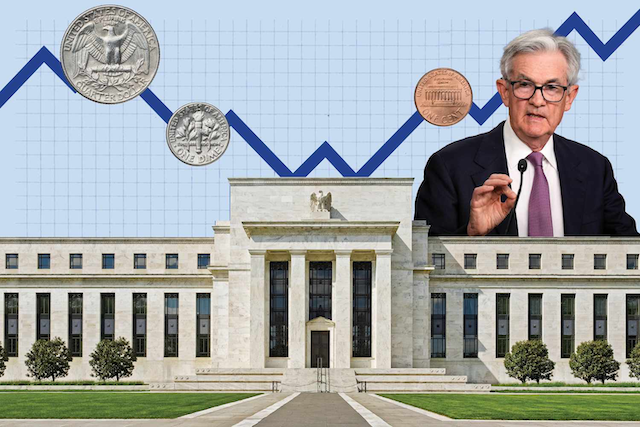
In 2023, the Fed reported a $114 billion loss; for 2024, losses are projected at $78 billion. These losses are not emergency quantitative easing measures but part of normal operations under current policy.
Political and Financial Implications of Fed Losses
The assumption that the Fed cannot fail is based on Congress’s willingness to recapitalize it in emergencies. But in normal years, the Fed can incur large losses while raising interest rates.
The Fed classifies these losses as deferred assets—“IOUs” it expects to recover in future profitable years. This special treatment acknowledges the cyclical nature of monetary policy.
The Decline of Cash and the Shift to Private Sector Stablecoins
Cash remains a liability for the Fed, but its use is declining. The White House and Congressional Republicans have stated that the Fed will not replace cash on its balance sheet with other forms of debt, such as digital currencies.
Meanwhile, proposed Senate legislation would regulate stablecoin issuers by requiring backing with safe assets like Treasury securities or Fed reserves, effectively transferring profit opportunities from the Fed to the private sector.

Conclusion
None of this is critical during normal times, when the Fed enjoys bipartisan support and aligned monetary policy goals. However, these are not normal times.
The Federal Reserve is a bank. Congress and the White House must be transparent about whose bank it truly is, whether they expect it to generate profits, and what their plans are for dealing with ongoing losses.
🔗 EXPLORE MORE LATEST NEWS RIGHT HERE!
- Forex: Get the latest trends and effective trading strategies
- Crypto: Stay updated on the hottest cryptocurrency market news
- Stock & Commodities: Discover potential investment opportunities
- Trading Brokers: Choose reliable brokers for your trades
- Expert Advisor: Smart tools to assist your trading
- Finance News: 24/7 updates on financial news
DON’T MISS OUT, CLICK AND READ NOW!
- t.me/finance_solutes
- Website: https://finance-solutes.com
- Hotline: +1 929 5636 439 ( Hotline )
- 26 Broadway, Suite 934, New York, 10004, US
