
 XM
XM Bybit
Bybit Binance
 Robinhood
 Webull
 IC Markets
 Pepperstone
 OKX
OKX Vantage
 VT Markets
 BingX
BingX Gate.io
 Kucoin
 MEXC
MEXC Exness
 Bitget
In an unusual market shift, both German government bonds and the euro are rallying simultaneously — a sign that global investors are seeking refuge in the Eurozone amid escalating geopolitical and economic uncertainties.
Capital Flight Signals a Safe-Haven Shift
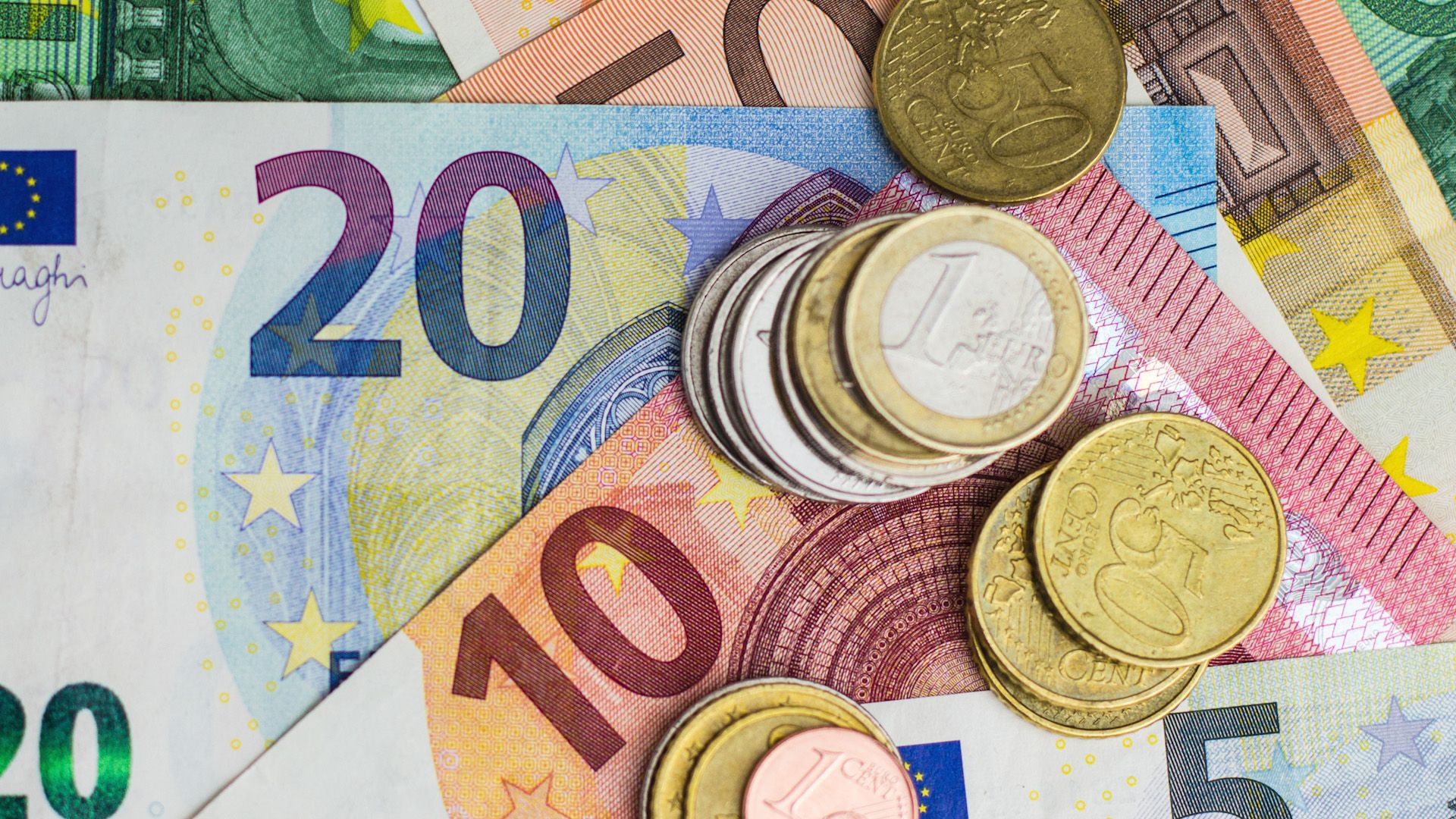
Fund managers are pointing to an anomaly in typical market behavior: the concurrent rise in both the euro and German Bunds. This rare combination, they say, signals a global “flight to safety” — where investors are increasingly viewing Eurozone assets as a haven from trade war turmoil and policy instability in the U.S.

Typically, the euro and Bunds move in opposite directions. Optimism about the Eurozone economy lifts the euro but reduces demand for Bunds, which are considered ultra-safe assets. That pattern was evident last month when Germany announced a historic spending package: the euro surged, while Bunds were sold off.
Decoupling from Traditional Market Drivers
However, this month the euro has appreciated by around 5% against the U.S. dollar, even as transatlantic bond yield spreads have widened in favor of the U.S. The yield on 2-year U.S. Treasury notes is now about 2 percentage points higher than that of German Bunds — up from 1.7 points in early March.
Mike Riddell, a bond fund manager at Fidelity International, remarked that the usual correlation between the euro and relative yields has “completely broken down over the past two weeks,” with both Bunds and the euro benefiting from market fears fueled by U.S. policy. He called the trend a “symptom of capital flight.”
Volatility in U.S. Treasuries Fuels Eurozone Appeal
On Wall Street, the simultaneous decline of the dollar and U.S. Treasuries — which typically move inversely — has rattled investors. A similar phenomenon is occurring in Europe, where the surge in Bund prices and the euro has caught investor attention.
Benoit Anne, a strategist at MFS Investment Management, noted that “the currency market no longer seems to care about rate differentials.” He emphasized that such a sharp rise in U.S. interest rates would traditionally be a strong bullish signal for the dollar — but that pattern no longer holds.
“There seems to be a shift in global asset allocation,” Anne added, “with investors diversifying away from the U.S. and viewing Europe and other parts of the world as more attractive places to invest.”

Bunds Gain Ground, but U.S. Treasuries Remain Dominant
Fixed-income specialists say that global investors are rethinking the traditional role of U.S. Treasuries as the go-to safe asset, particularly given growing concerns over U.S. policymaking. April LaRusse of Insight Investment noted that investors are seeking “a safe, law-abiding, trustworthy government with a well-run economy” — increasingly looking outside the U.S.
She cited increased volatility in Treasuries. The ICE BofA MOVE Index — a key measure of expected Treasury volatility — has remained elevated since the 2022 bond market selloff. Last week, it reached its highest level in over a year during another wave of Treasury selling.
Despite this, major obstacles remain for Bunds to fully replace Treasuries as the world’s preferred safe-haven asset. Germany’s bond market is far smaller than the nearly $30 trillion U.S. Treasury market, and Bunds have historically traded at negative yields due to scarcity.
Moreover, the global reserve status of Treasuries is closely tied to the dollar’s dominant role in international finance and trade. While some commentators say that’s now being challenged, others caution against reading too much into the shift.
Steven Major of HSBC explained that claims of a mass move away from Treasuries “ignore the growing domestic investor base,” as some foreign holders have been reducing their exposure.
Growing Interest in Eurozone Assets
Still, fund managers acknowledge that global investors are showing a growing interest in diversifying their safe-haven assets — and German Bunds are emerging as a key beneficiary, especially as Germany ramps up bond issuance to fund new spending plans.

On Thursday, short-term Bund yields tightened further after the European Central Bank cut rates and traders began pricing in additional rate cuts. The euro held steady.
“There are investors now looking at Europe in a way they haven’t before,” said LaRusse from Insight, reflecting a potential rebalancing of global financial flows.
Conclusion
While U.S. Treasuries remain the dominant force in global fixed income, the recent parallel rise in the euro and German Bunds hints at a quiet shift in investor sentiment. As global uncertainties mount, Europe may be carving out a stronger role as a safe-haven destination.
🔗 EXPLORE MORE LATEST NEWS RIGHT HERE!
- Forex: Get the latest trends and effective trading strategies
- Crypto: Stay updated on the hottest cryptocurrency market news
- Stock & Commodities: Discover potential investment opportunities
- Trading Brokers: Choose reliable brokers for your trades
- Expert Advisor: Smart tools to assist your trading
- Finance News: 24/7 updates on financial news
DON’T MISS OUT, CLICK AND READ NOW!
- t.me/finance_solutes
- Website: https://finance-solutes.com
- Hotline: +1 929 5636 439 ( Hotline )
- 26 Broadway, Suite 934, New York, 10004, US
