
 XM
XM Bybit
Bybit Binance
 Robinhood
 Webull
 IC Markets
 Pepperstone
 OKX
OKX Vantage
 VT Markets
 BingX
BingX Gate.io
 Kucoin
 MEXC
MEXC Exness
 Bitget
Mounting Concerns Over U.S. Stability Spark Debate in Europe
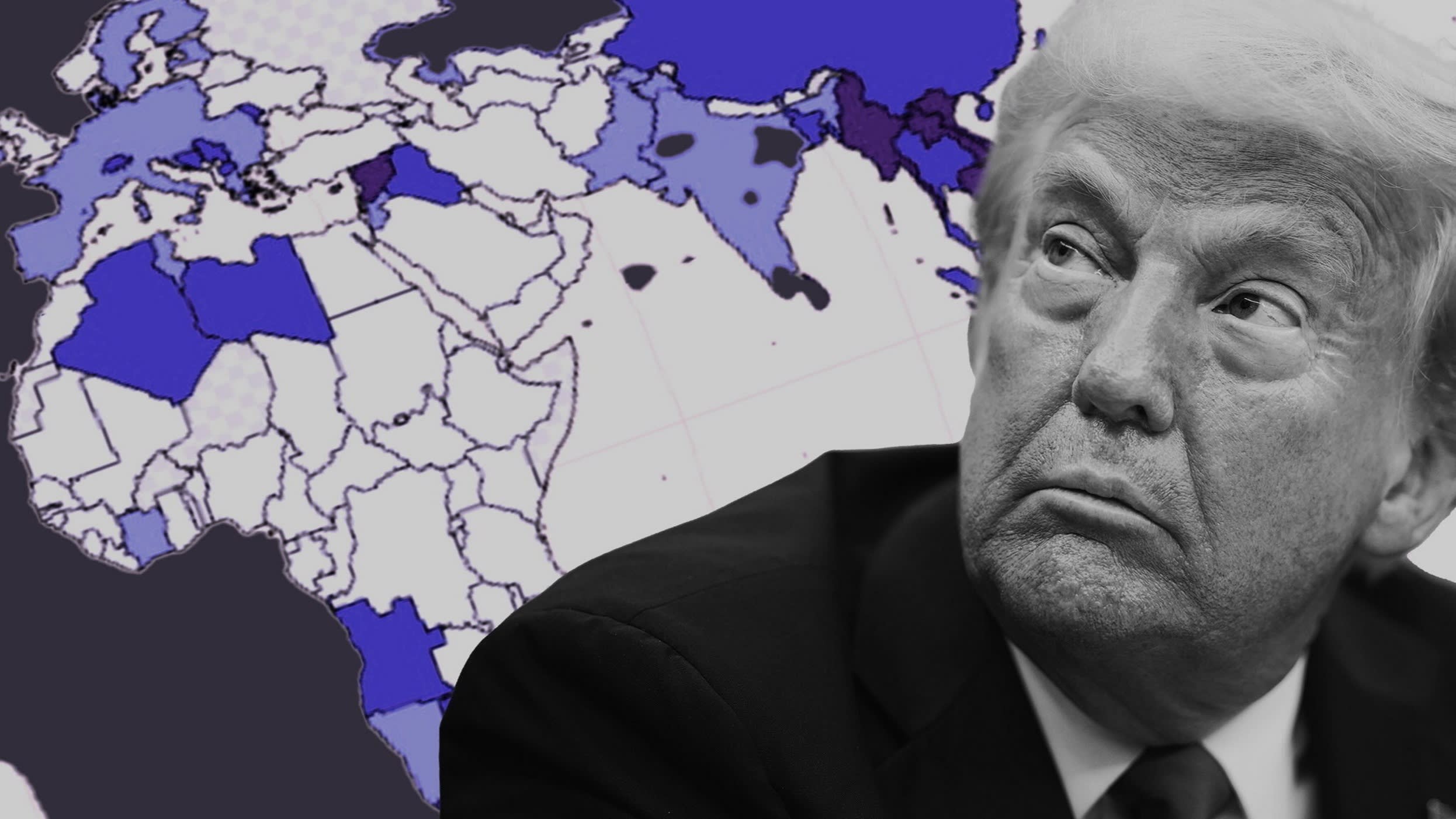
Germany and Italy are under growing pressure to bring home their gold reserves currently held in the United States, amid geopolitical instability and concerns over President Donald Trump’s influence on the Federal Reserve.
The Gold at Stake

According to the World Gold Council, Germany and Italy hold the world’s second- and third-largest national gold reserves after the U.S., with 3,352 and 2,452 tonnes respectively. Over a third of these reserves—worth more than $245 billion—are stored at the New York Federal Reserve.
This arrangement, rooted in post-WWII economics and the legacy of the Bretton Woods system, is now being scrutinized in light of shifting global dynamics.
Political Pressure Mounts
In Germany, political figures from across the spectrum are voicing concerns. Former conservative MP Peter Gauweiler and left-wing politician Fabio De Masi both argue that it is time to re-evaluate the risks of storing gold abroad.
The Taxpayers Association of Europe has formally appealed to both German and Italian central banks, urging them to regain full control over their national bullion. “We are very concerned about Trump tampering with the Federal Reserve’s independence,” said TAE President Michael Jäger.
Italy’s Dilemma
In Italy, critics worry about the risks of leaving 43% of the country’s gold under the watch of what they call an “unreliable” U.S. administration. Although Prime Minister Giorgia Meloni previously advocated repatriation, she has since remained quiet on the topic, prioritizing diplomatic ties with Washington.
History of Repatriation
Germany has previously acted on similar concerns. In 2013, the Bundesbank moved 674 tonnes of gold from New York and Paris to Frankfurt, following public pressure and a campaign led by current AfD MP Peter Boehringer.
France also moved its gold back to Paris in the 1960s under President Charles De Gaulle. Despite these precedents, central banks still weigh international relations and liquidity access when deciding where to store reserves.

Risks and Realities
While critics warn that political and economic shocks could limit access to overseas gold, others caution that bringing it back may signal a breakdown in transatlantic trust.
Bert Flossbach, co-founder of Flossbach von Storch, argues such moves could be misinterpreted as a rift with the U.S. The Bundesbank reiterated its confidence in the New York Fed, citing both security and liquidity as priorities in its storage strategy.
Conclusion
As Trump’s rhetoric and global tensions rise, the question of gold repatriation has resurfaced in Europe. Whether symbolic or strategic, the call to bring bullion home underscores a deeper anxiety about sovereignty, trust, and control in uncertain times.
🔗 EXPLORE MORE LATEST NEWS RIGHT HERE!
- Forex: Get the latest trends and effective trading strategies
- Crypto: Stay updated on the hottest cryptocurrency market news
- Stock & Commodities: Discover potential investment opportunities
- Trading Brokers: Choose reliable brokers for your trades
- Expert Advisor: Smart tools to assist your trading
- Finance News: 24/7 updates on financial news
DON’T MISS OUT, CLICK AND READ NOW!
- t.me/finance_solutes
- Website: https://finance-solutes.com
- Hotline: +1 929 5636 439 ( Hotline )
- 26 Broadway, Suite 934, New York, 10004, US
