
 XM
XM Bybit
Bybit Binance
 Robinhood
 Webull
 IC Markets
 Pepperstone
 OKX
OKX Vantage
 VT Markets
 BingX
BingX Gate.io
 Kucoin
 MEXC
MEXC Exness
 Bitget
Fundraising from initial public offerings (IPOs) in London has plummeted to its lowest level since at least 1995, sparking renewed concerns about the UK’s declining relevance as a global financial hub. With just £160mn raised in the first half of 2025, the numbers paint a grim picture of a market losing its appeal to companies and investors alike.
Historic Drop in Fundraising

Only five IPOs took place on UK exchanges between January and June 2025, generating a total of £160mn — a 98% drop compared to the record-breaking first half of 2021. This figure is also below levels seen during the 2009 global financial crisis.
When combining IPOs with follow-on offerings from listed companies, capital raised totaled £8.8bn, the lowest first-half figure (adjusted for inflation) in at least three decades.
Why are UK Listings Drying Up?
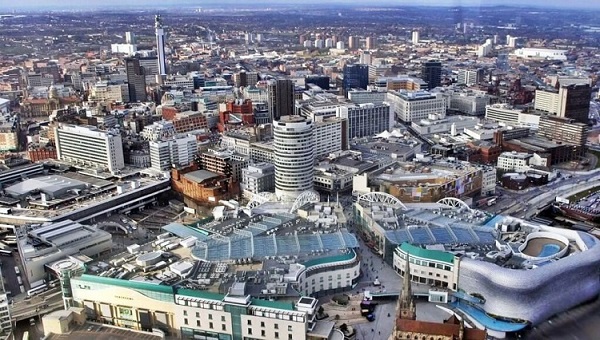
Industry experts blame multiple factors:
-
Lower valuations in London compared to Wall Street. FTSE 100 trades at a P/E ratio of 16.6 vs. 27.2 for the S&P 500.
-
Decreasing liquidity, making UK listings less attractive.
-
A growing trend of companies remaining private or listing in the US to access deeper capital markets.
Goldman Sachs strategist Sharon Bell described London’s decline as a “nasty precedent,” where fewer listings and less liquidity create a self-reinforcing spiral.
High-Profile Concerns and Company Exodus
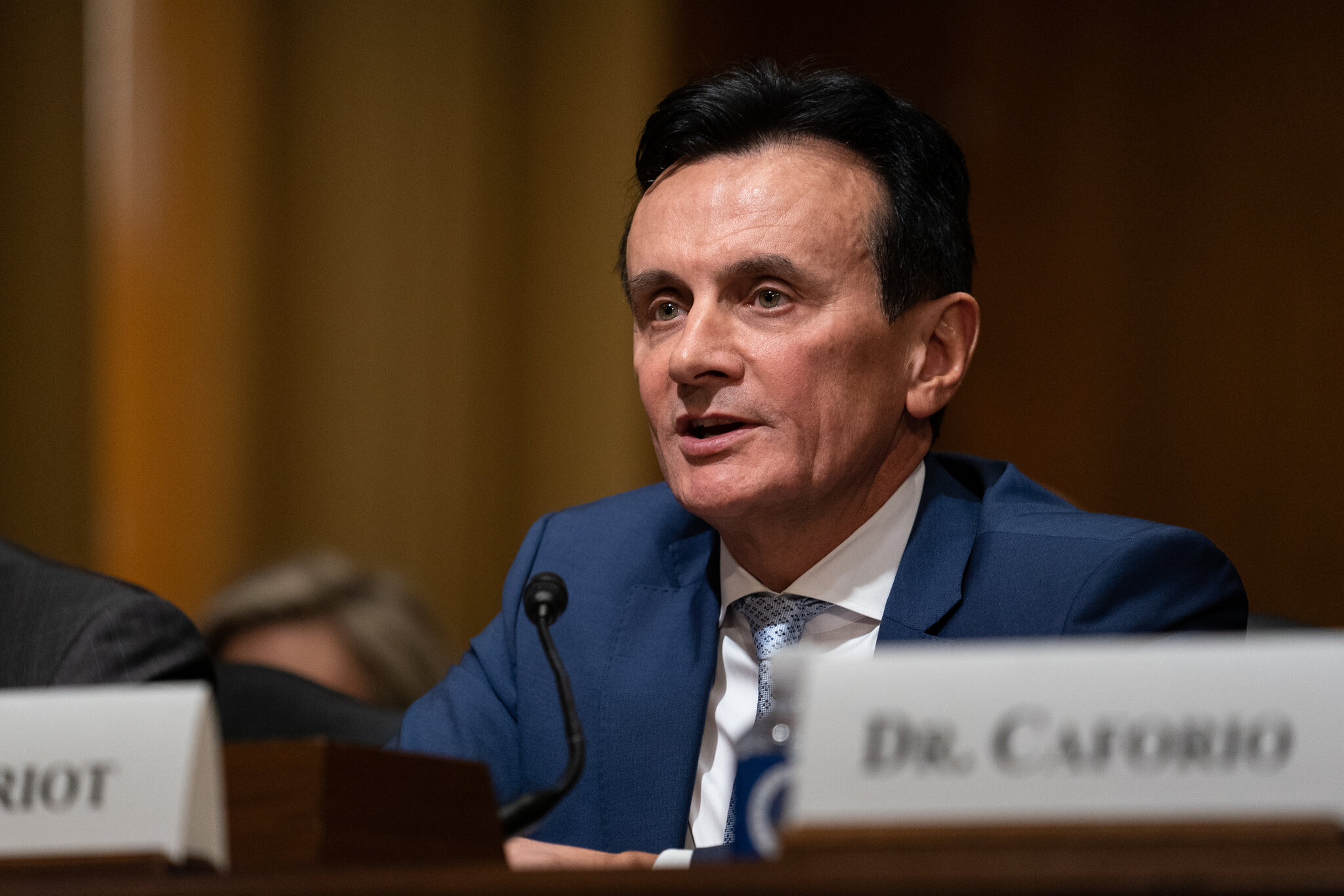
News that AstraZeneca’s CEO is considering moving the company’s listing to New York has only deepened anxiety.
Other firms — including fintech leader Wise — have already shifted or announced plans to move their primary listings to the US.
Private equity has also been aggressive, with firms like KKR and Advent International competing to buy UK-listed companies such as Spectris, removing them from public markets altogether.
Long-Term Implications for the UK Market
Analysts warn that fewer IPOs and lower investor interest could damage the UK’s economic fabric.
“Yesterday’s small-cap companies are today’s mid-cap companies, and maybe tomorrow’s giants,” said Joe Little, CIO at HSBC Asset Management.
“Without liquid capital markets, that cycle breaks.”
Meanwhile, capital is flowing into private markets, reducing the diversity and accessibility of investment opportunities for everyday investors.
Policy Responses and Market Reform Efforts
The Labour government and regulators have introduced reforms to revive UK capital markets:
-
Simplified listing rules to reduce friction.
-
Launch of Pisces, a new exchange for trading stakes in private companies.
However, critics argue that efforts have focused too heavily on private capital and neglected the public equity side.
“They’ve not put enough action on the quoted company market,” said Gervais Williams of Premier Miton.
Conclusion
As IPO fundraising dries up and firms increasingly look overseas, the UK faces a defining moment in its financial history. Without decisive and sustained reform, London risks fading from the global equity stage — replaced by more dynamic, better-capitalized rivals across the Atlantic.
🔗 EXPLORE MORE LATEST NEWS RIGHT HERE!
- Forex: Get the latest trends and effective trading strategies
- Crypto: Stay updated on the hottest cryptocurrency market news
- Stock & Commodities: Discover potential investment opportunities
- Trading Brokers: Choose reliable brokers for your trades
- Expert Advisor: Smart tools to assist your trading
- Finance News: 24/7 updates on financial news
DON’T MISS OUT, CLICK AND READ NOW!
- t.me/finance_solutes
- Website: https://finance-solutes.com
- Hotline: +1 929 5636 439 ( Hotline )
- 26 Broadway, Suite 934, New York, 10004, US
