
 XM
XM Bybit
Bybit Binance
 Robinhood
 Webull
 IC Markets
 Pepperstone
 OKX
OKX Vantage
 VT Markets
 BingX
BingX Gate.io
 Kucoin
 MEXC
MEXC Exness
 Bitget
In a bold move this week, Argentina’s liberal-minded President, Javier Milei, executed a significant strategic shift by abandoning his strict monetary policy that had been central to his fight against inflation. While this move could potentially ease some concerns, it also sent shockwaves through the investor community. For months, Milei had relied on Argentina’s long-standing monetary controls to curb the country’s spiraling prices, with the Central Bank aggressively raising the value of the peso in real terms, though at the cost of dwindling dollar reserves. Many analysts expected him to stick to this strategy through the crucial mid-term elections in October, with the slowing of inflation as a key focus of his campaign. However, on Monday, Milei took a drastic step forward.
A New Direction
After securing an unexpected $20 billion loan from the IMF to shore up the Central Bank, Milei significantly loosened monetary controls. This included floating the peso partially and relaxing restrictions on Argentinians purchasing dollars. His rationale for this decision was strikingly straightforward: “I always promised that if I had dollars, I would remove controls,” he said in a radio interview. “How could I not do it if it means freeing the Argentine people? What does an election year have to do with that?”
One of the main reasons for this drastic shift was the almost depleted state of Argentina’s central bank reserves. Recent weeks saw the peso undergoing significant depreciation, forcing the central bank to burn through even more precious dollar reserves to protect the currency, which raised concerns about an official devaluation, creating instability.

The Immediate Effects
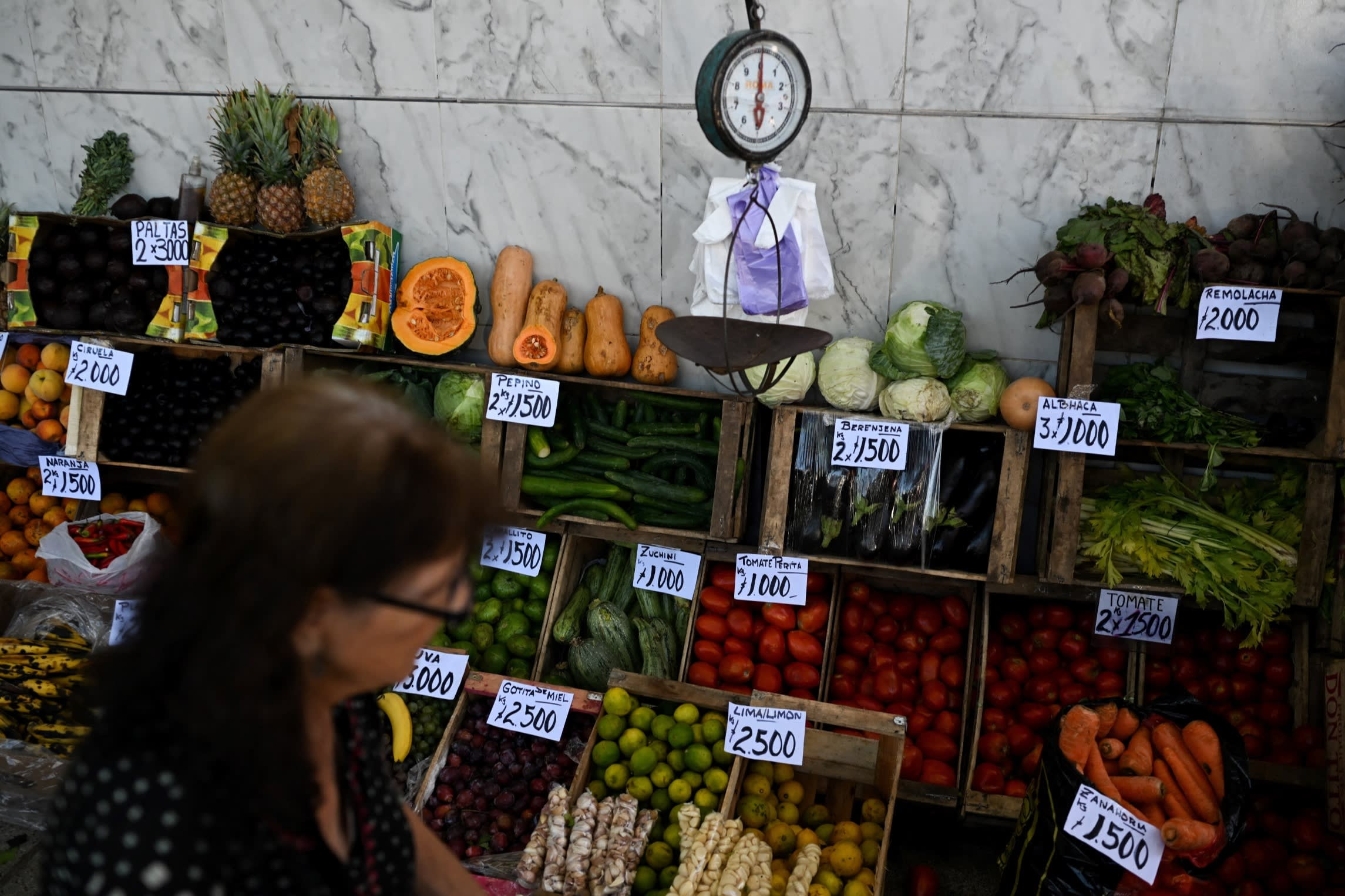
With IMF backing, Milei’s decision helped ease the pressure, with the peso dropping 6% in the first week after the partial float, far less than economists had expected. The peso remained considerably stronger than the new ceiling set by the central bank at 1,400 per dollar. However, the situation remains fragile. In a country where even small devaluations can lead to increased inflation due to businesses adjusting prices to maintain profit margins, maintaining stability will be crucial.
Many economists expect inflation to rise slightly in the short term, after a substantial jump from 2.4% in February to 3.8% in March. “This is a big challenge,” said Cristián Buttié, Director of CB Consultora. “If we see inflation increase further, will the government be able to maintain the narrative that things are improving? Or will doubt start to creep in?” He added, “For governments whose survival depends on public trust, this could have uncontrollable consequences.”
Seasonal Factors in Milei’s Favor
Looking ahead, seasonal factors could work in Milei’s favor. Argentina’s soybean harvest, which occurs between April and June, typically brings in a large influx of dollars, boosting reserves. Milei has urged exporters to sell their crops quickly, warning that a recent tax cut on exports would expire in June. Financial investors are also expected to bring dollars in for profitable peso trades, driven by Argentina’s high-interest rates.
The confidence in the Central Bank has been bolstered by the IMF’s unusual early disbursement of $12 billion, a $5 billion loan extension from China, and the United States’ commitment to “full support” following a short visit by U.S. Treasury Secretary Scott Bessent on Monday. Still, Tomás Tagle, a strategist at Bull Market Brokers in Buenos Aires, warned that pressure on the exchange rate could increase after June, with the October elections approaching. “Market players in Argentina often convert pesos into dollars before elections, and we can’t forget that many traders had argued that the peso was overvalued before Milei floated the currency this week.”
Economic Shifts Amid Political Turmoil
This economic shift comes after several tumultuous months for Milei. In February, the libertarian leader found himself embroiled in a scandal over promoting a memecoin, which surged in value only to crash, leading to accusations of fraud. Congress is preparing to investigate the fiasco. Furthermore, earlier this month, his attempt to appoint a controversial judge to the Supreme Court via decree failed, further straining his already tenuous relationship with lawmakers.
According to CB Consultora, Milei’s approval rating has slightly dropped from a high of 51.8% in December to 46.1% in March, with support weakening in lower-income areas, where austerity measures and inflation have hit hardest. Political adviser Sergio Berensztein noted that the IMF deal represents “an opportunity for Milei to restart after a rough patch,” a restart that is urgent as he approaches the midterm elections. While pollsters predict Milei is likely to win, the Peronist opposition is struggling to find its footing after the previous government exacerbated Argentina’s economic crisis. However, the president has refused to ally with natural conservative allies, which could have bolstered his chances.
Looking Forward
The first electoral test of the year, a closely watched local election in Santa Fe province last week, saw the libertarian movement finish in third place, far from the top. A poor result in October could undermine public trust and market confidence in Milei’s ability to maintain a floating currency and keep inflation in check. The previous attempt to remove currency controls was derailed by a surprise victory from the Peronist faction in the 2019 pre-election polls, which caused a market panic and led to a currency devaluation. Conservative President Mauricio Macri was forced to reinstate controls shortly afterward.
According to Nicolás Dujovne, who co-led the economy ministry at the time along with Luis Caputo, now Milei’s economy minister, Milei’s plan will face similar pressures. “Until a market-friendly government is re-elected in Argentina, the country will struggle to cope with political shocks,” Dujovne said, adding, “The challenge is to deliver results that improve people’s lives so they don’t want to change course.”
Conclusion
Milei’s bold move to relax currency controls marks a pivotal moment in Argentina’s economic journey, fraught with both potential rewards and risks. While the IMF deal provides a lifeline, the coming months will be crucial in determining whether this gamble will pay off or lead to further instability. With the country heading toward critical elections, the economic and political climate will play a significant role in shaping Argentina’s future.
🔗 EXPLORE MORE LATEST NEWS RIGHT HERE!
- Forex: Get the latest trends and effective trading strategies
- Crypto: Stay updated on the hottest cryptocurrency market news
- Stock & Commodities: Discover potential investment opportunities
- Trading Brokers: Choose reliable brokers for your trades
- Expert Advisor: Smart tools to assist your trading
- Finance News: 24/7 updates on financial news
DON’T MISS OUT, CLICK AND READ NOW!
- t.me/finance_solutes
- Website: https://finance-solutes.com
- Hotline: +1 929 5636 439 ( Hotline )
- 26 Broadway, Suite 934, New York, 10004, US
