
 XM
XM Bybit
Bybit Binance
 Robinhood
 Webull
 IC Markets
 Pepperstone
 OKX
OKX Vantage
 VT Markets
 BingX
BingX Gate.io
 Kucoin
 MEXC
MEXC Exness
 Bitget
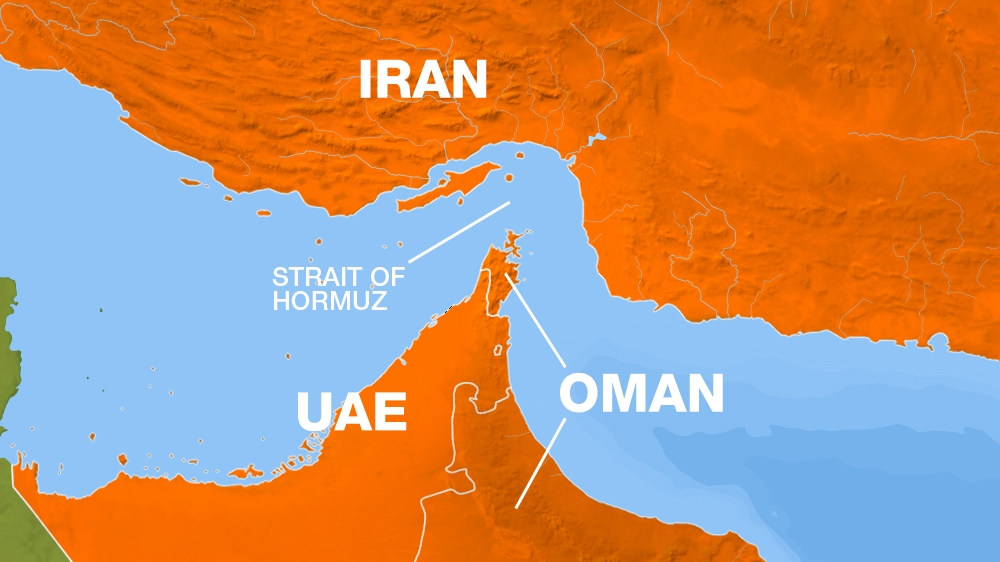
Tensions in the Middle East are rising again. As Iran faces potential retaliation following U.S. air strikes, military experts and diplomats are revisiting a dangerous historical precedent: the 1980s “tanker war.” At stake is the Strait of Hormuz — a narrow waterway vital to global energy markets.
Strategic Importance of the Strait of Hormuz
Roughly 25% of the world’s seaborne oil trade and 20% of its natural gas exports pass through the 33km-wide Strait of Hormuz. Any attempt to close it would send shockwaves through global markets.
Historical Echoes of the 1980s
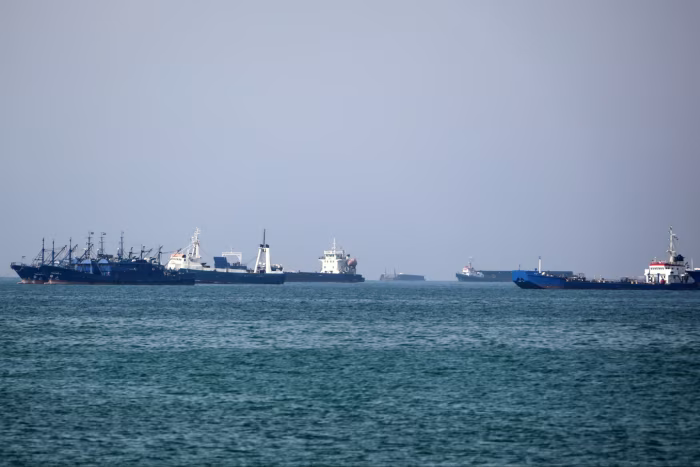
During the original tanker war, Iran and Iraq used naval mines and anti-ship missiles to damage oil tankers. The U.S. responded by reflagging Kuwaiti tankers and escorting them with warships — one of which, the USS Samuel B. Roberts, was seriously damaged by a mine.
Current Threats and Iranian Capabilities
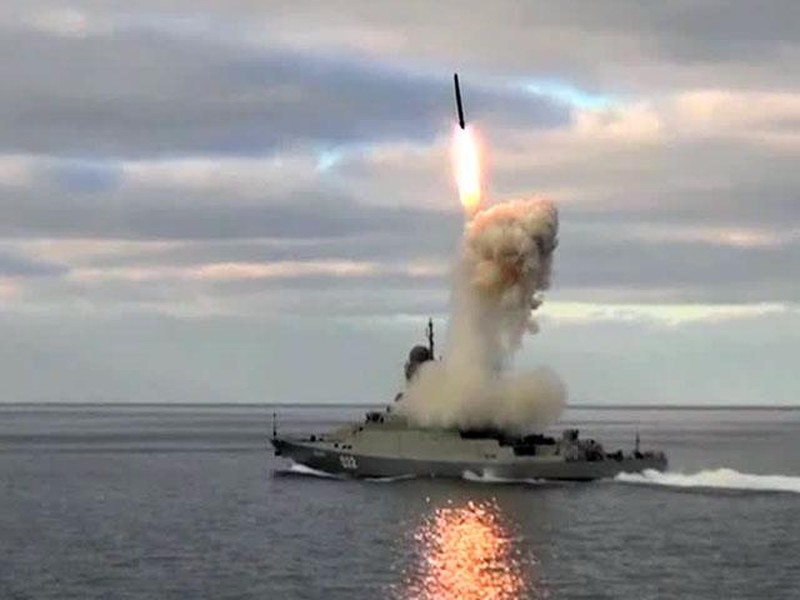
Iran’s naval forces remain largely intact despite recent Israeli and U.S. strikes. Military analysts believe Iran could again deploy:
-
Seabed and limpet mines
-
Anti-ship missile batteries
-
Drones, speedboats, and helicopters
Rear Admiral Abbas Gholamshahi is reportedly in charge of such operations, with an estimated arsenal of 2,000 mines.
U.S. Mine-Clearing Limitations
The U.S. Navy’s mine-sweeping capabilities are outdated. The Avenger-class vessels, stationed in Bahrain and Japan, are decades old and often described as unreliable. New replacements are still in development. Airborne systems also face performance issues in combat scenarios.

High Stakes for Iran and the Global Economy
Closing the Strait of Hormuz would not only affect Saudi and Gulf oil exports, but also cripple Iran’s own economy, which relies heavily on the same route.
As one analyst put it: “It would be suicidal for the Iranians.”
Despite public calls by some Iranian MPs to block the strait, regime insiders and military observers say Tehran is more likely to intensify proxy attacks — particularly on Israel — rather than directly confront the U.S.

Broader Implications
Even a temporary disruption would severely affect global oil prices, insurance premiums, and shipping routes. Unlike the Red Sea, there is no alternate route for Gulf oil exports.
Military expert Sid Kaushal warns: “Iran may not need to close Hormuz permanently — just creating chaos could serve its strategic purpose.”
Conclusion
While a new “tanker war” is not inevitable, the risks are real. Iran’s next move — and Washington’s response — will determine whether the world sees another conflict in one of its most critical maritime chokepoints.
🔗 EXPLORE MORE LATEST NEWS RIGHT HERE!
- Forex: Get the latest trends and effective trading strategies
- Crypto: Stay updated on the hottest cryptocurrency market news
- Stock & Commodities: Discover potential investment opportunities
- Trading Brokers: Choose reliable brokers for your trades
- Expert Advisor: Smart tools to assist your trading
- Finance News: 24/7 updates on financial news
DON’T MISS OUT, CLICK AND READ NOW!
- t.me/finance_solutes
- Website: https://finance-solutes.com
- Hotline: +1 929 5636 439 ( Hotline )
- 26 Broadway, Suite 934, New York, 10004, US
