
 XM
XM Bybit
Bybit Binance
 Robinhood
 Webull
 IC Markets
 Pepperstone
 OKX
OKX Vantage
 VT Markets
 BingX
BingX Gate.io
 Kucoin
 MEXC
MEXC Exness
 Bitget
The Morning Star and Evening Star patterns are three-candlestick reversal patterns that signal a potential trend change in the market. They can be used when trading forex or in any other financial market. Accurately identifying a reversal allows traders to enter the market from a favorable position right at the beginning of the trend change. Therefore, being able to detect a reversal accurately is extremely important.
1. MORNING STAR CANDLESTICK PATTERN
The Morning Star candlestick pattern is a Japanese candlestick formation consisting of a group of three candles. The Morning Star is a bullish reversal pattern that appears at the bottom of a downtrend. It indicates that the downward momentum is slowing down before a strong upward move occurs, laying the foundation for a new uptrend.
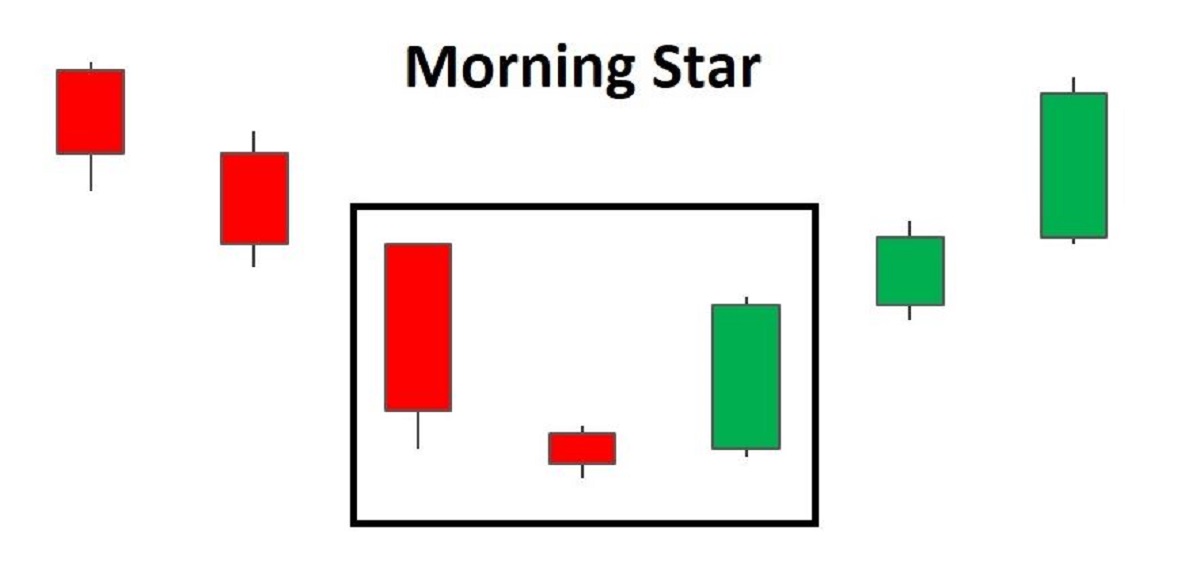
Doji Morning Star Candlestick Pattern
Traders often look for signs of indecision in the market. This occurs when selling pressure weakens, causing the market to move sideways. A Doji candlestick appears when the market opens and closes at nearly the same price. This indecision reinforces a potential bullish move as buyers begin to see value at this level and prevent further selling. The appearance of a bullish candlestick following the Doji provides further confirmation of the bullish signal.
1.1. How to identify the Morning Star Japanese Candlestick Pattern
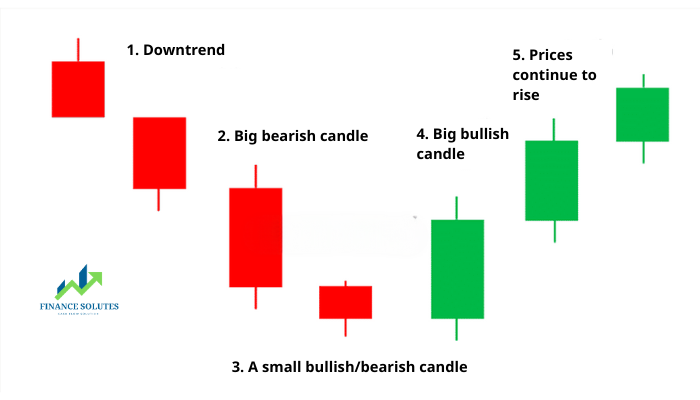
Identifying the Morning Star pattern on a forex chart is not just about recognizing the three main candlesticks in the formation. Traders must understand the preceding price action and the context in which the Morning Star forms.
– Look for a current downtrend: The market displays lower highs and lower lows.
– Large bearish candle: This large bearish candle results from strong selling pressure and continues the current downtrend. At this point, traders should still be looking for short trades as there is no evidence of reversal yet.
– Small bearish/bullish candle: The second candle is a small-bodied candle—sometimes a Doji—indicating the first sign of weakening bearish momentum. It doesn’t matter whether this candle is bearish or bullish; the key here is that the market is showing hesitation.
– Large bullish candle (bullish candlestick pattern): Following the second candle, this bullish candle reveals the first real signs of buying pressure. In non-forex markets, this candle may open with a gap above the previous candle’s close, signaling the beginning of a new uptrend.
– Follow-up price action: After a successful reversal, traders will observe rising highs and lows. However, it is essential to always manage risk by using appropriate stop-loss levels and take-profit targets.
1.2. How to trade the Morning Star Pattern
Below is an example where the Morning Star pattern appears on the EUR/USD pair. In this case, a downtrend is clearly established before the formation of the reversal candlestick pattern.
Once the Morning Star pattern forms, a potential entry point could be at the opening price of the next candle. However, traders might choose to wait and see if the price starts rising. This provides more confirmation for the trade. That said, this approach comes with a trade-off—it may result in entering the trade at a less favorable price, especially in fast-moving markets.
Take-profit levels can be placed at previous resistance levels or prior consolidation zones. Stop-loss orders should be set below the recent low, as a break below this level would invalidate the reversal setup.
Note that traders should always apply proper risk management, as nothing in trading is guaranteed. This helps maintain a positive risk-to-reward ratio.
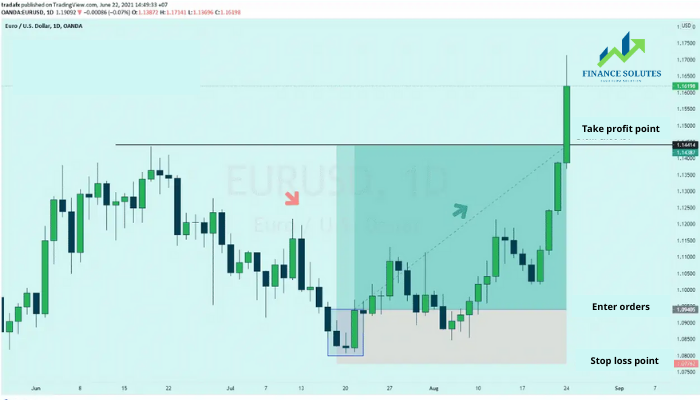
In reality, price gaps rarely occur in the forex market like they do in stock trading; therefore, the candles within the Morning Star pattern often have opening prices that are close to the closing prices of the previous candle.
1.3. How reliable is the Morning Star Pattern in Forex Trading?
The Morning Star candlestick pattern should be evaluated in the context of the current market trend. Additionally, it’s important to check for supporting evidence that could strengthen your trading decision. Below are the advantages and limitations of the Morning Star pattern:
Advantages:
– The Morning Star pattern frequently appears in the forex market
– It helps identify clear entry points and stop-loss levels
– The Morning Star is relatively easy to recognize in real market conditions
Disadvantages:
– After the Morning Star appears, the reversal may fail, and the price could continue to decline further
2. EVENING STAR CANDLESTICK PATTERN
The Evening Star candlestick pattern is a three-candle formation and is considered a bearish reversal pattern. The Evening Star appears at the top of an uptrend. Opposite to the Morning Star, the Evening Star indicates that bullish momentum is weakening before a potential downward move, laying the foundation for a new downtrend.
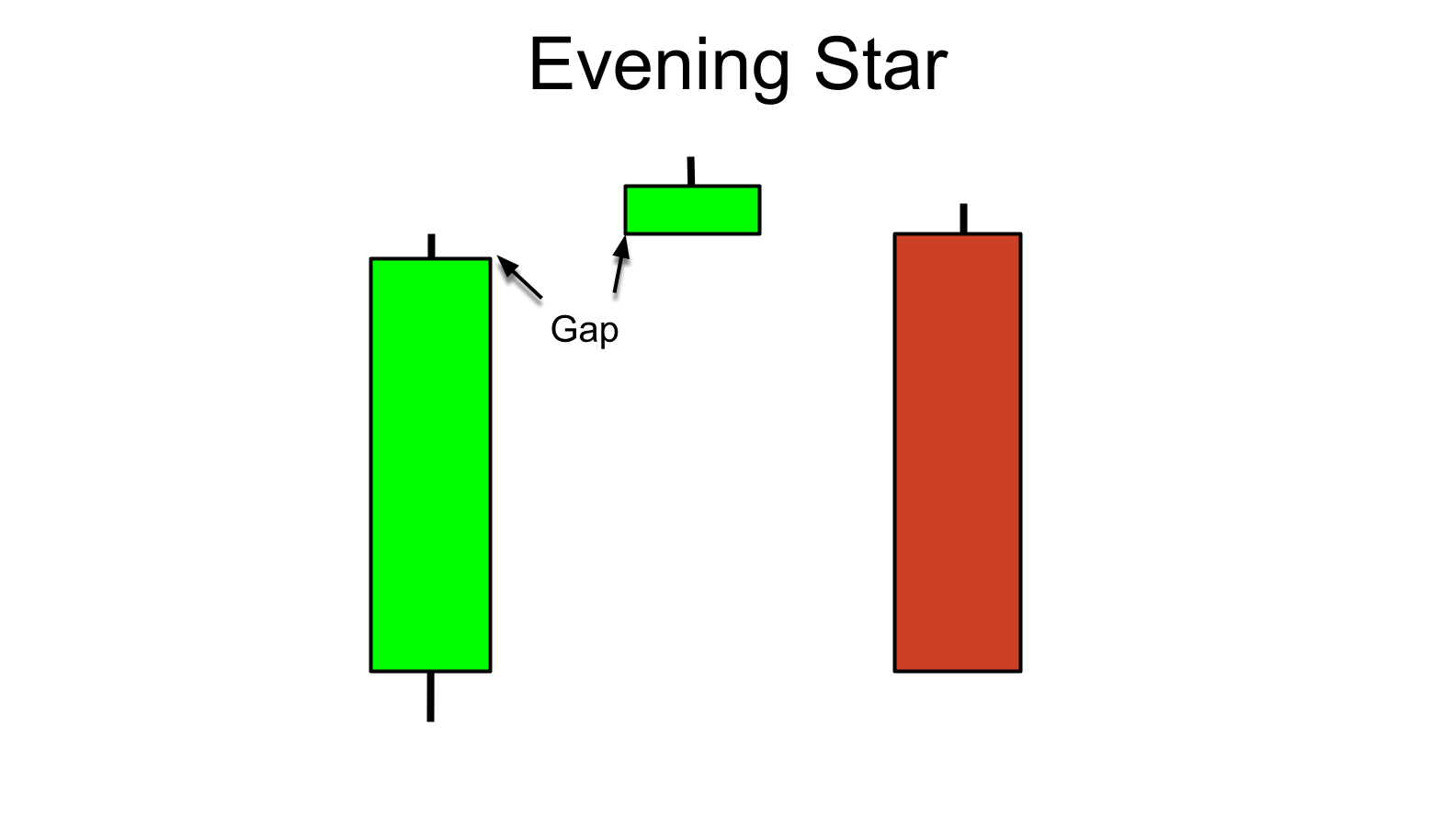
Doji Evening Star Candlestick Pattern
A Doji candlestick forms when the market opens and closes at nearly the same price. This indecision reinforces a potential bearish move as sellers begin to see value at this level and prevent further buying. The appearance of a bearish candlestick following the Doji provides additional confirmation of the bearish signal.
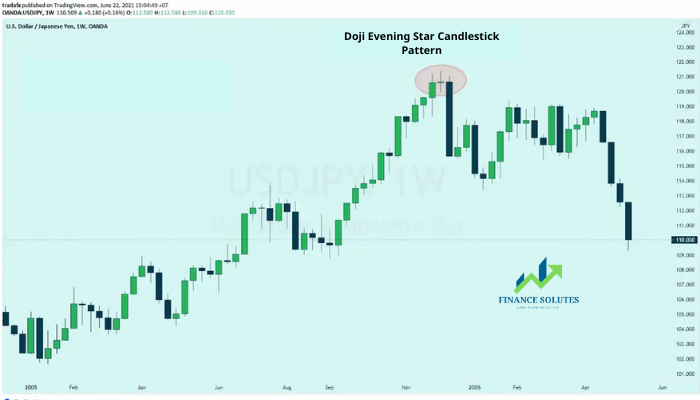
2.1. How to identify the Evening Star Pattern
Identifying the Evening Star candlestick pattern is not just about recognizing the three main candles in the formation. Traders must understand the prior price action and the context in which the Evening Star appears.
– Look for a current uptrend: The market displays higher highs and higher lows.
– Large bullish candle: The first candle is a large bullish candle, resulting from strong buying pressure and the continuation of the current uptrend. At this point, traders should only be looking for buy opportunities as there is no evidence of reversal yet.
– Small bearish/bullish candle: The second candle is a small-bodied candle—sometimes a Doji—indicating the first sign of weakening bullish momentum. Whether it is bullish or bearish is not important; what matters is that the market is showing hesitation.
– Large bearish candle: The first clear sign of new selling pressure is revealed in this candle. In non-forex markets, this candle may open with a gap below the previous candle’s close, signaling the beginning of a new downtrend.
– Follow-up price action: After the Evening Star completes and the reversal confirms, traders will observe lower highs and lower lows. However, it is crucial to always manage risk using stop-loss orders and appropriate take-profit levels.
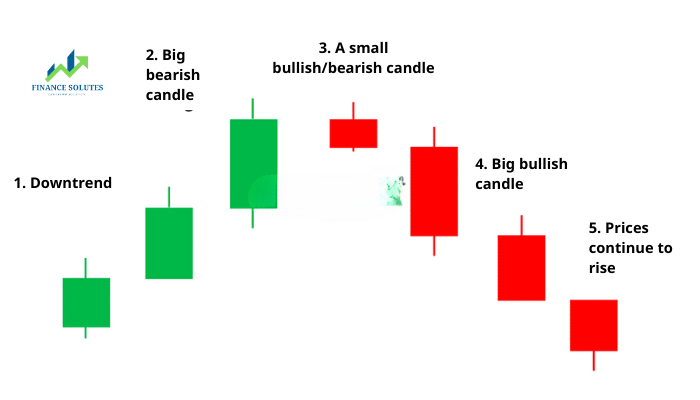
Traders should look for signs of hesitation in the market when buying pressure starts to fade, causing the market to move sideways. This is an ideal condition for a Doji candlestick to appear.
2.2. How to trade using the Evening Star Pattern
The Evening Star pattern can be observed on the EUR/GBP chart below, where an uptrend leads to the formation of a bearish reversal pattern.
Once the pattern has formed, traders may enter a trade at the opening of the next candle. However, they can also wait to see if the price starts to decline, which can provide a more reliable confirmation. That said, waiting might result in entering at a less favorable price, especially in fast-moving markets.
Take-profit levels can be placed at previous support levels or areas of previous consolidation. Stop-loss levels should be set above the most recent high, as a break above this level would invalidate the reversal.
It’s important for traders to always apply proper risk management because nothing is guaranteed. This approach helps maintain a positive risk-to-reward ratio.
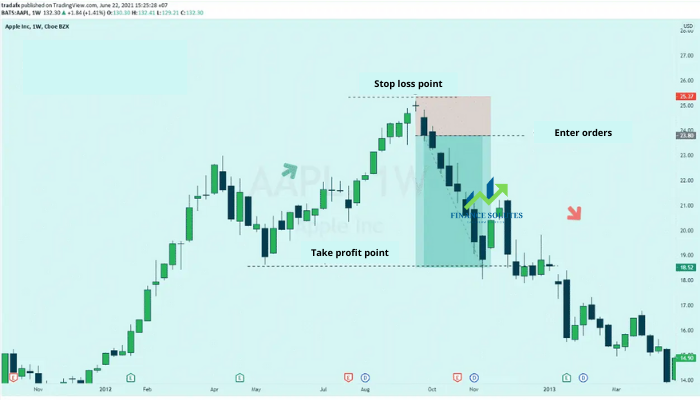
In reality, price gaps like those often seen in stock trading rarely occur in the forex market. As a result, the candlesticks in this pattern usually have opening prices that are close to the closing prices of the previous candles.
2.3. Reliability of the Evening Star Pattern in Forex Trading
Similar to the Morning Star, the Evening Star should be evaluated in the context of the current trend. Traders should also look for supporting evidence to strengthen their trading decisions. Below are some pros and cons of the Evening Star candlestick pattern:
Pros:
-
The Evening Star pattern frequently appears in the forex market.
-
This pattern helps identify clear entry points and stop-loss levels.
-
It is relatively easy to spot an Evening Star on actual price charts.
Cons:
-
A failed reversal may occur after the pattern forms, and prices could continue rising.
2.4. Notes when using the Evening Star Pattern
-
The Evening Star pattern is more reliable when it appears at the end of an uptrend.
-
Combine the Evening Star with basic technical indicators to find more accurate entry points.
-
Do not use the Evening Star in sideways markets.
-
Avoid entering trades in financial markets such as forex or stocks using this pattern on lower timeframes.
When using the Evening Star candlestick pattern, pay close attention to the body of the second candle. It often reveals a weakening of the bullish momentum.
Finally, once the Evening Star pattern is confirmed, open a position with a reasonable lot size. If possible, test the pattern on a demo account first. Additionally, consider reading broker reviews and choose a reputable trading platform.
3. SUMMARY
In today’s forex lesson, Finane Solutes has introduced how to identify and trade with two common reversal patterns in forex: the Morning Star and Evening Star candlestick patterns. We hope the information provided can support your trading journey and enhance your investment decisions.
Wishing you success in your trading career!
- t.me/finance_solutes
- Website: https://finance-solutes.com
- Hotline: +1 929 5636 439 ( Hotline )
- 26 Broadway, Suite 934, New York, 10004, US
