
 XM
XM Bybit
Bybit Binance
 Robinhood
 Webull
 IC Markets
 Pepperstone
 OKX
OKX Vantage
 VT Markets
 BingX
BingX Gate.io
 Kucoin
 MEXC
MEXC Exness
 Bitget
The oil group surprises markets for a second month with an increase of 411,000 barrels per day, even amid fears of oversupply and global economic slowdown.
Second Consecutive Output Hike
Eight OPEC+ members, including Saudi Arabia and Russia, have agreed to increase oil production by 411,000 barrels per day in June — marking the second straight month of such a rise. This move comes despite Brent crude prices sliding nearly 20% since April 2, reaching around $61 a barrel, close to a four-year low.
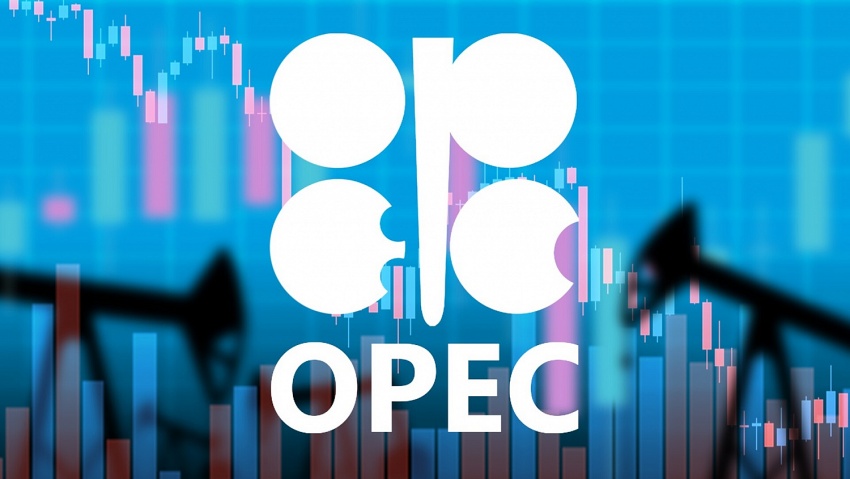
The decision caught markets off guard, especially after the group announced a similar hike last month — three times higher than expected. Analysts say the continued supply increase has added pressure on already fragile prices.
Strategic Shift Toward Market Share
According to Jorge León, a former OPEC official now with Rystad Energy, this signals a major shift in strategy.
“OPEC+ just threw a bomb into the oil market,” León commented. “Last month’s decision was a wake-up call. Today’s move is a clear message that the Saudi-led alliance is prioritizing market share over price stability.”
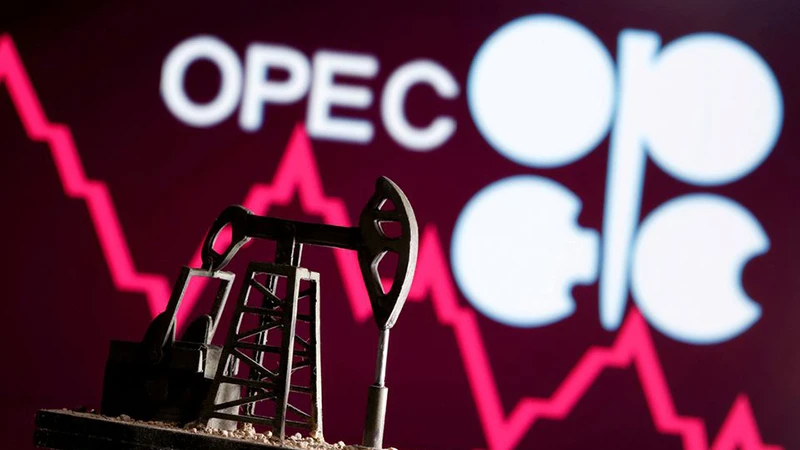
For the past three years, OPEC+ has slashed output by nearly 6 million barrels/day to support prices, a strategy that kept oil above $90 per barrel for much of 2022. However, weakening demand, surging U.S. output, and poor quota discipline have eroded its effectiveness.
Internal Divisions Emerge
Internal tensions have grown, especially with Kazakhstan, which has increased output from its Chevron-led Tengiz field and insists on prioritizing “national interest” over group quotas.
Frustrated by bearing the brunt of supply cuts, Saudi Arabia — which has reduced its output by 2 million barrels/day over the past three years — is now loosening its voluntary limits. Sources familiar with Saudi strategy suggest the kingdom is comfortable with adding supply back into the market, even if it prolongs low prices.
Uncertain Market Impact
Despite the planned increase, the actual rise in supply could be less significant. Bjarne Schieldrop, chief commodities analyst at SEB, noted that OPEC+ production in April actually fell by 200,000 barrels/day due to sanctions on Venezuela. He cautioned that countries with a history of exceeding quotas — like Kazakhstan, Iraq, and the UAE — may curb output more than expected.
Conclusion
OPEC+ appears to be entering a new phase, shifting from defending prices to securing market share. As the group tests this bolder strategy, global markets may face a prolonged period of low oil prices — with uncertain consequences for producers and consumers alike.
🔗 EXPLORE MORE LATEST NEWS RIGHT HERE!
- Forex: Get the latest trends and effective trading strategies
- Crypto: Stay updated on the hottest cryptocurrency market news
- Stock & Commodities: Discover potential investment opportunities
- Trading Brokers: Choose reliable brokers for your trades
- Expert Advisor: Smart tools to assist your trading
- Finance News: 24/7 updates on financial news
DON’T MISS OUT, CLICK AND READ NOW!
- t.me/finance_solutes
- Website: https://finance-solutes.com
- Hotline: +1 929 5636 439 ( Hotline )
- 26 Broadway, Suite 934, New York, 10004, US
