
 XM
XM Bybit
Bybit Binance
 Robinhood
 Webull
 IC Markets
 Pepperstone
 OKX
OKX Vantage
 VT Markets
 BingX
BingX Gate.io
 Kucoin
 MEXC
MEXC Exness
 Bitget
The U.S. dollar has long held a dominant position in the global economy, but its future remains uncertain. As we move away from the post-Bretton Woods system, a fundamental shift in globalization is underway, causing ripples in the markets. Despite ongoing political battles like Trump’s tariffs, investors must brace for a new market paradigm that could shake the financial world.
The Shifting Market Landscape
In 2019, I wrote a column predicting a looming “doomsday scenario” for the U.S. dollar. The premise was that a shift away from globalization and towards a post-Bretton Woods system would lead to a decline in the value of the dollar and dollar-denominated assets. This would result in higher bond yields, along with rising prices for gold and other currencies.
The S&P 500 may rise and fall according to President Trump’s moods, but the signs of a new era were becoming increasingly clear. Despite not always predicting when a major market change would occur — as a child of immigrants, I tend to reduce risk too early — my worldview remains strong. I firmly believe that the entire investment model is changing, and the rebalancing away from U.S. markets is essential. This shift will happen regardless of trade wars.
Even with Kamala Harris in office today, the world is still transitioning to a post-Washington consensus (as Biden’s White House has stated). While this transition may take time, we are inevitably moving toward a multipolar world where the dollar and dollar assets are no longer the only game in town.
3 Core Problems Facing the U.S. Market
Dependence on Asset-Driven Economic Growth
For the past 50 years, nearly all major economic decisions in the U.S. have been aimed at driving up asset prices — from deregulating interest rates in the late 1970s to legalizing stock buybacks, and the “performance bonuses” favored by tax laws that created Silicon Valley’s enormous paper wealth. Trump’s aides might say that Main Street doesn’t care about stock prices, but the reality is that asset price growth has far outpaced income growth, meaning we all rely more on the capital markets.
Household exposure to stocks in the U.S. is at an all-time high, with stocks and mutual funds making up 26% of total household assets. This leaves us highly vulnerable to any market downturn, affecting both individuals and the economy at large. Since 1995, stocks have become the marginal driver of U.S. federal tax receipts, as pointed out by analyst Luke Gromen. If stocks fall too much and stay low, consumer spending and GDP will enter a recession, widening the deficit.
Soaring Private Sector Debt and Leverage
Another major concern is the rapid increase in private sector debt and leverage in recent years. Corporate borrowing from private credit markets is booming, particularly among firms deemed too risky for traditional bank loans. Many of these private credit funds are lending with deadlines that are set to arrive by 2027.
As Corey Frayer, former senior adviser on financial stability at the SEC, noted, if the business environment weakens while many private credit loans mature, we could see a wave of bankruptcies. This would not only cause a collapse in the shadow banking system but could also strain the official banking sector, which is more vulnerable to non-bank financial institutions than it was in 2008 during the global financial crisis.
The Risk of Cryptocurrency in the U.S. Financial System
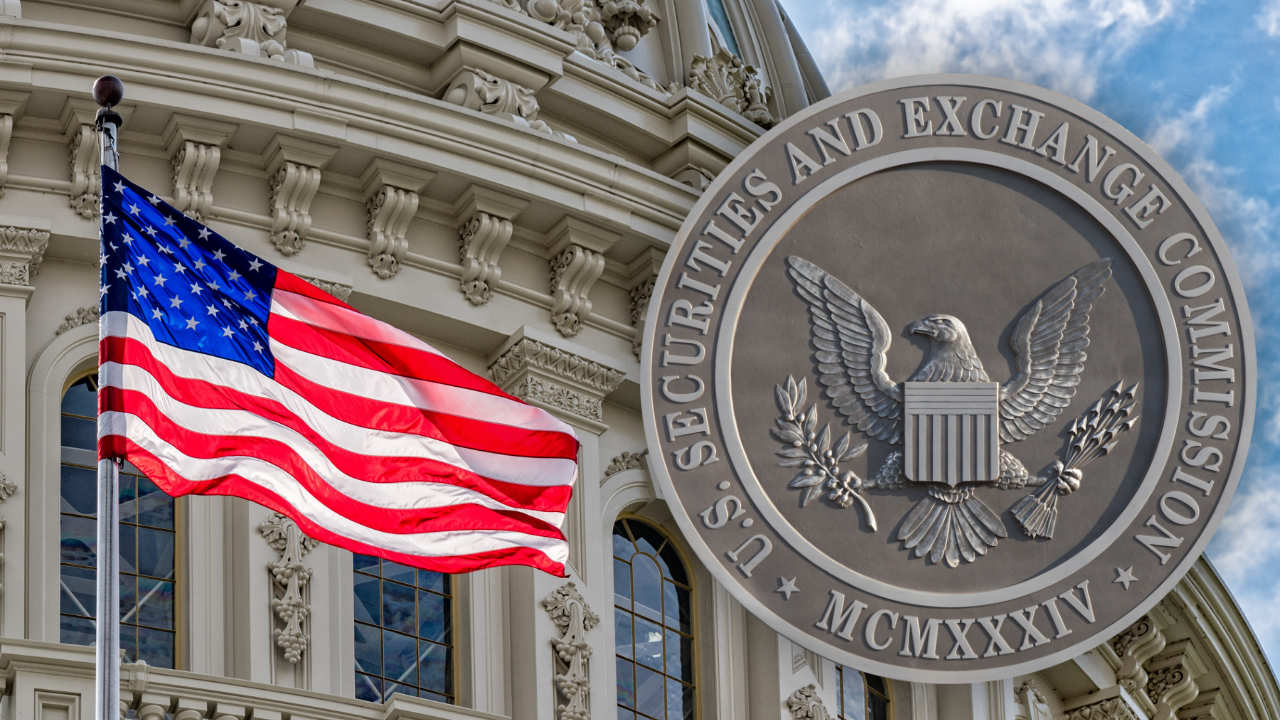
Lastly, the rise of cryptocurrency adds further risk to the U.S. financial system. With Trump’s administration taking a lax approach to regulation and cutting staff at the SEC, cryptocurrencies have been allowed to thrive without adequate oversight. Both Republicans and Democrats support legislation that could integrate cryptocurrency into the real economy, which could exacerbate the risks outlined above. The Biden administration was forced to step in to support the crypto platform Circle following the collapse of Silicon Valley Bank. A new law, which has passed initial hurdles in Congress, will likely encourage both official and unofficial players to enter the crypto space.
Conclusion
I don’t predict that corporate debt or a cryptocurrency-induced liquidity crisis will bring down the U.S. economy — though I wouldn’t be surprised if the next financial crisis emerges from these sectors. The point is, you don’t need to believe a trade war is imminent to see that U.S. asset markets are becoming increasingly risky and remain overvalued. Combined with the trust deficit left by Trump, I believe the doomsday scenario for the dollar still has room to unfold.
Investors must prepare for a new reality, where the dominance of the dollar is no longer guaranteed, and the financial landscape shifts in profound ways.

🔗 EXPLORE MORE LATEST NEWS RIGHT HERE!
- Forex: Get the latest trends and effective trading strategies
- Crypto: Stay updated on the hottest cryptocurrency market news
- Stock & Commodities: Discover potential investment opportunities
- Trading Brokers: Choose reliable brokers for your trades
- Expert Advisor: Smart tools to assist your trading
- Finance News: 24/7 updates on financial news
DON’T MISS OUT, CLICK AND READ NOW!
- t.me/finance_solutes
- Website: https://finance-solutes.com
- Hotline: +1 929 5636 439 ( Hotline )
- 26 Broadway, Suite 934, New York, 10004, US
