
 XM
XM Bybit
Bybit Binance
 Robinhood
 Webull
 IC Markets
 Pepperstone
 OKX
OKX Vantage
 VT Markets
 BingX
BingX Gate.io
 Kucoin
 MEXC
MEXC Exness
 Bitget
In April 2025, President Donald Trump implemented a series of sweeping tariffs on steel, aluminum, and a broad range of imports, sparking significant volatility across global markets. While the administration framed these measures as protective for U.S. industries, the ripple effects have been profound—disrupting supply chains, altering consumer behavior, and triggering international backlash. This article delves into the multifaceted consequences of these tariffs, examining their impact on U.S. businesses, consumer sentiment, and global economic dynamics.
U.S. Businesses Grapple with Rising Costs
Trump implemented a series of sweeping tariffs on steel
American companies are already experiencing the financial strain of the new tariffs. Steve Shriver, CEO of Eco Lips, anticipates millions in additional costs due to increased prices on imported ingredients like coconut oil and cacao. Retailers such as Paul Kusler of Into the Wind have observed immediate price hikes and a decline in consumer demand. Emily Ley, owner of Simplified, has paid over $1 million in tariffs and is pursuing legal action against the government, arguing that the taxes are unconstitutional. The Newman Center for the Performing Arts at the University of Denver faces a $140,000 unexpected cost increase due to Canadian tariffs on concert hall chairs already in production. Reuters
These sudden cost escalations are forcing businesses to suspend purchase orders, halt expansions, and delay hiring plans, all amidst widespread uncertainty about the future of U.S. trade policies.Reuters+1Reuters+1
Shifts in Consumer Behavior

Trump implemented a series of sweeping tariffs on steel
The tariffs have also led to noticeable changes in consumer behavior. Anticipating price increases, some U.S. consumers are stockpiling essential goods such as canned foods, flour, and hygiene products. This preemptive buying mirrors patterns seen during the COVID-19 pandemic, driven by fears of inflation and potential supply shortages. Reuters
According to the University of Michigan Surveys of Consumers, U.S. consumer sentiment has plunged to a nearly two-and-a-half-year low in March 2025, amid growing concerns over President Donald Trump’s broad tariffs that have fueled a trade war, expected to increase prices and undermine economic stability. The Consumer Sentiment Index fell to 57.9 from 64.7 in February, the lowest since November 2022. Long-term inflation expectations soared to levels not seen since 1993, posing challenges for Federal Reserve policies. Reuters+2Reuters+2Reuters+2
International Market Reactions
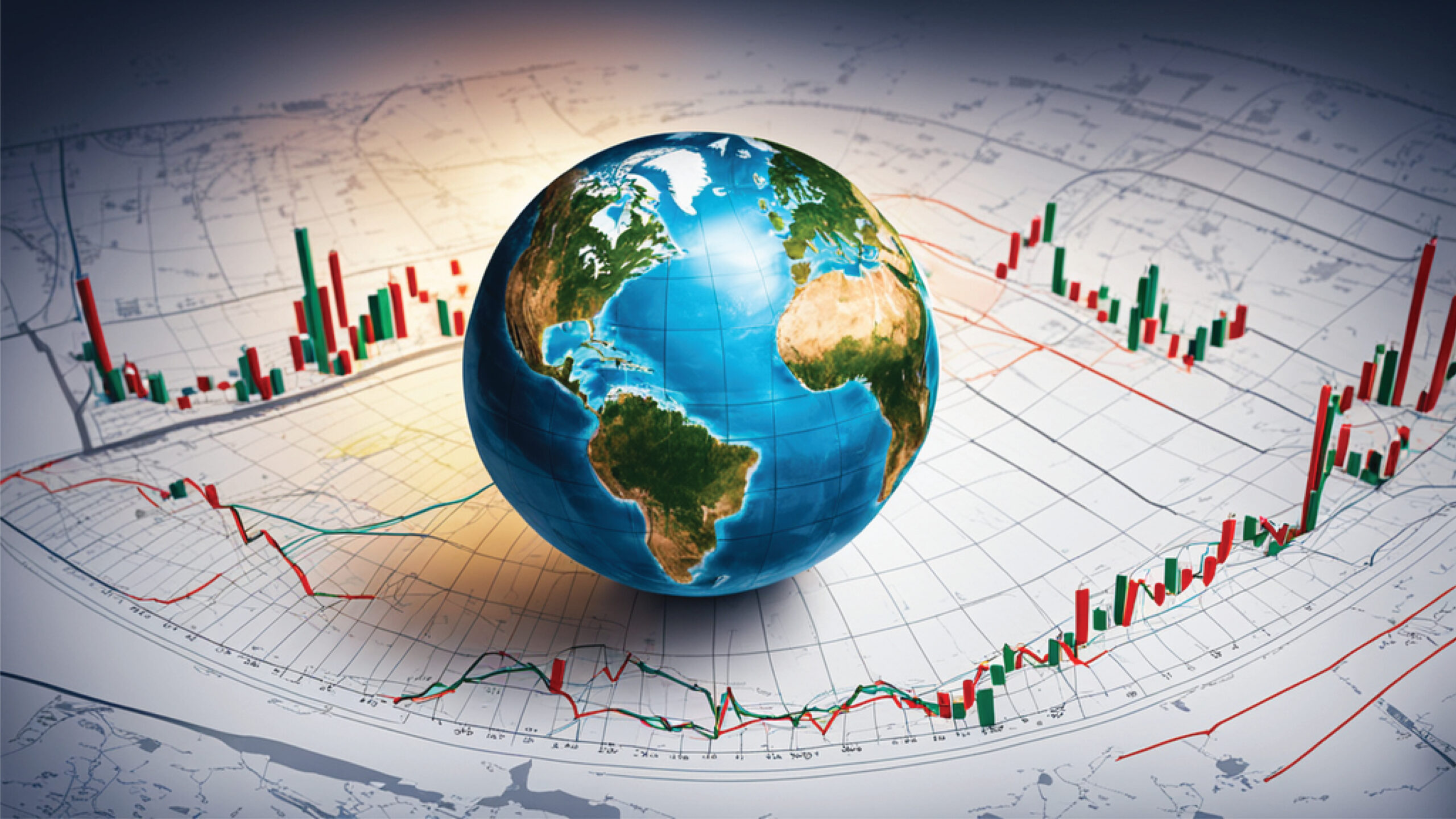
Trump implemented a series of sweeping tariffs on steel
The global response to the U.S. tariffs has been swift and multifaceted. China has imposed its own set of counter-tariffs, exacerbating tensions and contributing to market instability. The United States has initiated 104% tariffs on Chinese imports, intensifying a trade dispute that has sent U.S. and global markets into turmoil. Since President Donald Trump announced sweeping tariffs, the S&P 500 has fallen for four consecutive days, closing below 5,000 and nearing a bear market, with a $5.8 trillion drop in value. China’s refusal to yield and its countertariffs have escalated tensions, with the U.S. prioritizing negotiation with allies like Japan and South Korea instead. Canada responded with its own 25% tariffs, and the European Commission is considering countermeasures. The tariffs have sparked fears of recession and caused manufacturers to reconsider their supply chains. Americans anticipate rising prices, with tariffs already affecting consumer goods such as shoes and electronics. Companies like Micron are adding surcharges, and consumers are stockpiling essentials. Trump’s administration plans further tariffs on pharmaceutical imports, pressing drug companies to manufacture in the U.S. Business leaders and allies are calling for a reversal as trade uncertainty disrupts the global economic order, while oil prices and European industries remain under pressure from retaliatory threats and shifting market strategies. Reuters+1Reuters+1
In Europe, luxury brands are facing declining sales as consumer sentiment weakens. Fears of a global recession due to former President Donald Trump’s sweeping tariff measures imposed on major U.S. trading partners have eroded growth expectations in the $400 billion luxury goods industry. Analysts now predict luxury sales will drop by up to 2% in 2025, reversing earlier forecasts of 5% growth. Stock markets have been rattled, and shares in major luxury brands like LVMH, Kering, Hermes, and Richemont have declined. U.S. consumer sentiment and credit card spending on luxury items have weakened, further compounding the downturn. Tariffs of up to 31% on imports have led brands like Gucci, Chanel, and Cartier to raise prices, but concerns remain about consumer resistance amid economic uncertainty. Kering, struggling with Gucci’s revamp, could see a significant earnings blow, while historically resilient brands may still face pricing pressures. Sales data for the first quarter will likely reflect slowed growth, and industry leaders are hoping for stability and possible exemptions. The current environment mirrors increasing consumer caution and market unpredictability, casting a shadow over Europe’s luxury sector. Reuters+1Reuters+1
Supply Chain Disruptions (continued)
The National Retail Federation forecasts a 20% year-over-year drop in U.S. retail import volumes in the second quarter of 2025, highlighting the immense logistical disruptions triggered by these tariffs. Freight forwarders are struggling to advise clients on pricing, contract timelines, and shipment methods due to policy unpredictability. As reported by Reuters, even seasonal planning has become a challenge, with businesses unsure whether to rush shipments or delay them entirely.
The uncertainty has also revived discussions around “China Plus One” strategies, with many U.S. companies actively exploring alternative manufacturing bases in Vietnam, India, and Mexico. However, given that Vietnam and Cambodia are now also under threat of reciprocal tariffs, the room to maneuver is quickly shrinking.
Strategic Shifts by Global Corporations
Major corporations are rapidly recalibrating their global strategies. For example, Apple Inc. has started diversifying its supply chain away from China, accelerating production investments in India and Southeast Asia. Similarly, Walmart has begun sourcing a larger share of non-consumer goods from Turkey and Latin America, mitigating dependency on tariffed markets. These moves signal a long-term shift in global trade architecture, influenced not just by cost but by political and regulatory stability.
Automakers are also being forced to adapt. The Alliance for Automotive Innovation noted that the tariffs could increase the average cost of a new vehicle by $1,800, pushing many Americans out of the market. This would be especially damaging in a year when electric vehicle demand is expected to slow down due to high interest rates and battery material shortages.
Long-Term Risks to the Global Economy
The long-term economic consequences of the Trump tariffs extend beyond immediate cost increases. According to the International Monetary Fund (IMF), continued trade fragmentation could lower global GDP by 7% over the next decade. This decline stems from efficiency losses, broken supply chains, reduced investment, and lower productivity due to isolationist trade policies. The World Trade Organization (WTO) has also warned that tariffs of this magnitude threaten the multilateral trading system and could trigger retaliatory spirals reminiscent of the Smoot-Hawley Tariff Act in the 1930s, which deepened the Great Depression (source).
Moreover, these protectionist measures are deterring foreign direct investment (FDI) into the U.S., particularly from East Asia and the European Union. As a result, financial institutions like Goldman Sachs and Morgan Stanley are downgrading U.S. growth forecasts for 2025 and 2026, citing “geopolitical policy risks and domestic trade instability” as primary headwinds.
Geopolitical Tensions and Diplomatic Fallout
Geopolitical Tensions and Diplomatic Fallout
Internationally, the Trump tariffs have intensified geopolitical tensions. The European Commission is reportedly drafting a list of countermeasures, including tariffs on U.S. agricultural exports and tech services. In Asia, South Korea and Japan—both crucial U.S. allies—have expressed dissatisfaction, with Japan’s Foreign Ministry stating that “unilateral actions by the U.S. threaten the spirit of free and fair trade.” (source)
China’s response has been particularly aggressive. In addition to imposing its own retaliatory tariffs, the Chinese government is restricting exports of rare earth minerals critical to U.S. tech manufacturers. Analysts at Oxford Economics warn that a prolonged standoff could destabilize not only global commodity markets but also strategic industries like semiconductors, electric vehicles, and renewable energy.
Implications for U.S. Consumers and the 2025 Election
For average Americans, the most tangible impact of the tariffs is on everyday expenses. From toys and beauty products to auto parts and electronics, higher import duties mean higher retail prices. Surveys by Pew Research Center indicate that 63% of Americans are “very concerned” about rising prices, and 51% believe the tariffs are hurting the economy more than helping. Retailers like Target and Best Buy have already increased prices across various product categories.
With the 2025 presidential election looming, the political ramifications are enormous. While Trump’s core base supports the tough stance on China and “America First” trade policy, independent voters—especially small business owners and suburban families—are feeling the economic squeeze. Democratic candidates have seized on the issue, promising to roll back tariffs and rebuild diplomatic alliances. The Brookings Institution notes that trade policy is set to be a defining issue of the election, alongside inflation and healthcare.
Conclusion
Trump’s tariff regime has had cascading effects across the global economy—from straining small businesses and altering consumer habits, to disrupting international trade relations and triggering market volatility. While the administration claims these policies are aimed at protecting American jobs and sovereignty, the broader consequences suggest a more complex reality. The combination of increased costs, geopolitical friction, and economic uncertainty raises serious questions about the long-term viability of protectionist trade strategies in an interconnected world.
As markets brace for further policy shifts, businesses and consumers alike must navigate a landscape defined by volatility and adaptation. The path forward requires not only sound economic planning but renewed international cooperation to prevent the fragmentation of global commerce.
🔗 EXPLORE MORE LATEST NEWS RIGHT HERE!
- Forex: Get the latest trends and effective trading strategies
- Crypto: Stay updated on the hottest cryptocurrency market news
- Stock & Commodities: Discover potential investment opportunities
- Trading Brokers: Choose reliable brokers for your trades
- Expert Advisor: Smart tools to assist your trading
- Finance News: 24/7 updates on financial news
DON’T MISS OUT, CLICK AND READ NOW!
- t.me/finance_solutes
- Website: https://finance-solutes.com
- Hotline: +1 929 5636 439 ( Hotline )
- 26 Broadway, Suite 934, New York, 10004, US
