
 XM
XM Bybit
Bybit Binance
 Robinhood
 Webull
 IC Markets
 Pepperstone
 OKX
OKX Vantage
 VT Markets
 BingX
BingX Gate.io
 Kucoin
 MEXC
MEXC Exness
 Bitget
WASHINGTON, May 9 (Reuters) — President Donald Trump announced on Friday that the United States will maintain a baseline tariff of 10% on imported goods even after trade agreements are signed, signaling a shift in the nation’s long-term trade policy. He also stated that exceptions may be granted if countries offer significant concessions in future deals.
The move reflects the former president’s continued commitment to using tariffs as leverage to rebalance trade relationships, even as negotiations with various nations progress. Trump hinted at forthcoming deals, but reinforced that a 10% duty would remain the new standard.
A New Tariff Policy Direction
Trump’s comments suggest a hardening of trade policy that diverges from traditional free-trade approaches of past U.S. administrations. Speaking during a press briefing, the former president stated:
“We’re going to have a lot of deals made in the next few weeks, but we will always have a 10% baseline. That’s the foundation,” Trump told reporters.
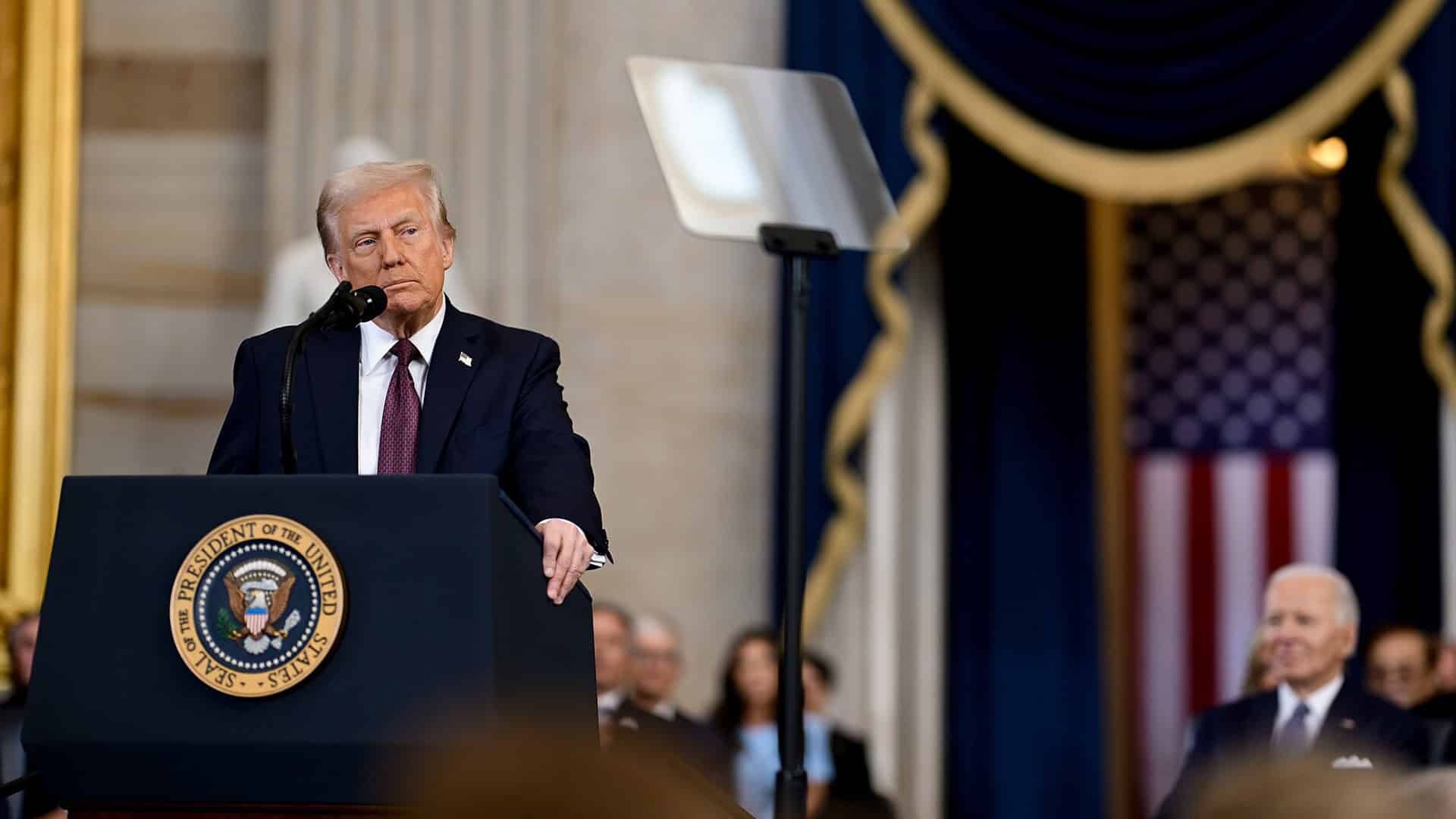
This announcement signals that tariffs—once considered a temporary negotiation tool—may become a permanent fixture of U.S. economic policy under Trump’s influence. The policy aims to encourage domestic manufacturing, reduce reliance on foreign supply chains, and create a consistent mechanism to counter what Trump views as unfair trading practices.
Context: Trump’s Longstanding Trade Approach
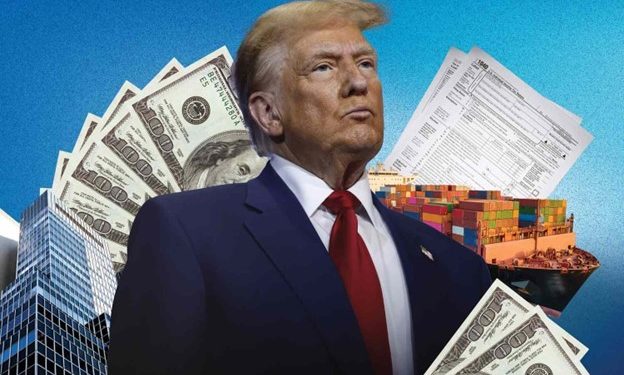
Tariffs have been a hallmark of Trump’s economic strategy since his first term in office. He famously imposed duties on steel, aluminum, and Chinese goods, sparking global trade tensions and retaliatory tariffs during his presidency. His rationale centered around protecting American workers, particularly in industries that had suffered from overseas competition.
Critics of the tariff policy argue that they ultimately hurt consumers through higher prices and strain relationships with allies. However, Trump and his supporters view tariffs as necessary to force trading partners into more favorable agreements and to boost American industrial competitiveness.
Friday’s comments suggest that even with agreements in place, tariffs will serve as a built-in defense measure for the U.S. economy, rather than a point of leverage to be removed after negotiations.
Potential for Exemptions
While Trump emphasized the 10% baseline, he also allowed for the possibility of exemptions under certain conditions. “We’re going to look at each deal carefully. If a country offers meaningful terms—something that really benefits American workers—then yes, we can talk about lifting or reducing that 10%,” he said.
This leaves room for diplomatic maneuvering in future trade discussions, giving other countries an incentive to offer deeper concessions if they want to avoid the tariff.
The flexibility in the approach could make future trade negotiations more dynamic, as it introduces a clear but adjustable cost-benefit equation for foreign governments seeking access to the U.S. market.

Implications for Global Trade Partners
Trump’s declaration is likely to draw attention—and potentially concern—from major U.S. trading partners. Countries that previously negotiated tariff relief under bilateral or multilateral agreements may now face a renewed hurdle.

Key allies in Europe and Asia, particularly those who rely heavily on exports to the United States, could be impacted. The announcement may also influence ongoing negotiations with countries such as the United Kingdom, Japan, and members of the USMCA (United States-Mexico-Canada Agreement), all of whom are closely watching how U.S. trade policy evolves.
Analysts predict that if the policy is implemented, it could reignite global trade tensions. “This kind of fixed baseline tariff runs counter to the principles of the World Trade Organization and modern trade liberalization,” said Dr. Anne Kellen, a trade economist at Georgetown University.
Economic and Political Motivations
The timing of the announcement also carries political weight. With Trump seeking another term in the White House, reinforcing a tough trade stance could appeal to his base of blue-collar and manufacturing-sector voters.
“Trump wants to remind Americans that he’s the president who prioritizes U.S. jobs and factories over foreign competition,” said political analyst Marcus Fields. “This 10% tariff message is both economic and electoral.”
If implemented, the policy could reshape corporate supply chains, driving firms to consider moving production closer to the U.S. to avoid long-term import costs. However, this transition would take time and could temporarily increase prices for consumer goods.

Industry Reactions
Initial reactions from the business community were mixed. Some manufacturing groups welcomed the stability of a set tariff, suggesting it allows companies to plan ahead. However, retailers and import-heavy industries expressed concern over increased costs and uncertainty.
“We appreciate the intent to protect U.S. industries, but a blanket 10% tariff could hurt small businesses and families,” said Rachel Goodman, spokesperson for the National Retail Federation. “We urge policymakers to consider the downstream impact.”
Conclusion
President Trump’s statement that the U.S. will maintain a 10% tariff baseline—even after trade deals—marks a notable shift toward a more protectionist and permanent tariff regime. While the policy aims to safeguard American interests and create leverage in negotiations, it also raises questions about the future of global trade cooperation and market stability. As new trade agreements emerge in the coming weeks, the world will be watching closely to see how this new baseline policy shapes the next era of American economic diplomacy.
🔗 EXPLORE MORE LATEST NEWS RIGHT HERE!
- Forex: Get the latest trends and effective trading strategies
- Crypto: Stay updated on the hottest cryptocurrency market news
- Stock & Commodities: Discover potential investment opportunities
- Trading Brokers: Choose reliable brokers for your trades
- Expert Advisor: Smart tools to assist your trading
- Finance News: 24/7 updates on financial news
DON’T MISS OUT, CLICK AND READ NOW!
- t.me/finance_solutes
- Website: https://finance-solutes.com
- Hotline: +1 929 5636 439 ( Hotline )
- 26 Broadway, Suite 934, New York, 10004, US
