
 XM
XM Bybit
Bybit Binance
 Robinhood
 Webull
 IC Markets
 Pepperstone
 OKX
OKX Vantage
 VT Markets
 BingX
BingX Gate.io
 Kucoin
 MEXC
MEXC Exness
 Bitget
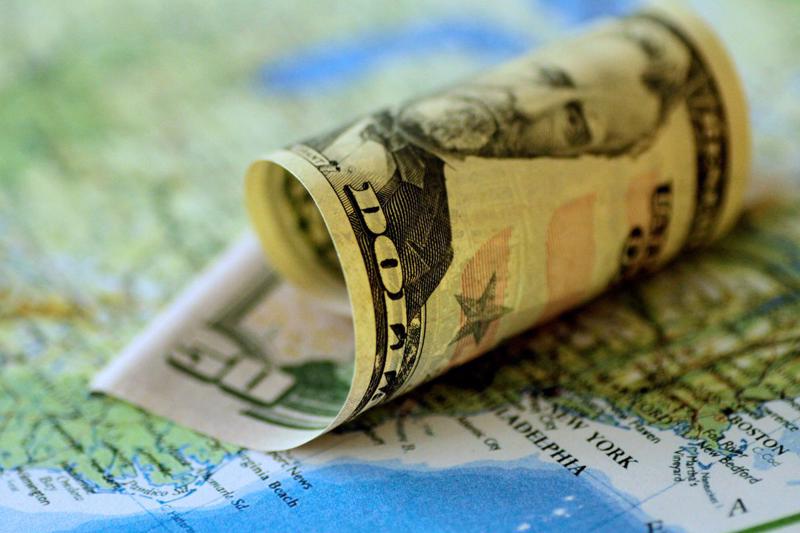
As trade war tensions continue to weigh heavily on the U.S. dollar, global stock markets have shown signs of resilience. Wall Street equities have recovered from their April slump, with the S&P 500 recently approaching record highs.
Wall Street and European Stocks Rebound
After opening in the red, Wall Street stocks reversed losses, with the S&P 500 climbing 0.2%. In Europe, the Stoxx Europe 600 index trimmed earlier declines and closed down 0.3%, signaling a moderated market response despite global uncertainty.

Dollar Volatility Tied to Geopolitical Concerns
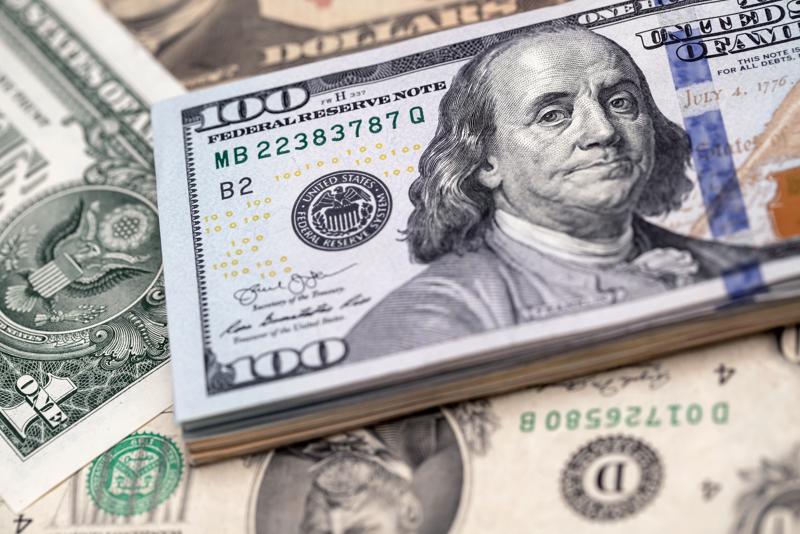
Deutsche Bank analysts partly attributed Thursday’s dollar fluctuations to a Financial Times report revealing that the U.S. Pentagon is reassessing the 2021 submarine deal with the UK and Australia.
George Saravelos, Global Head of FX Research at Deutsche Bank, emphasized:
“In our view, reports that the U.S. is reevaluating its involvement in the Aukus defense pact are highly significant for the dollar.”
He further noted that weakening geopolitical ties between the U.S. and its allies could dampen capital inflows into America—a sentiment echoed by Australian investors in Thursday morning briefings.
Soft U.S. Inflation Data Opens Door to Rate Cuts
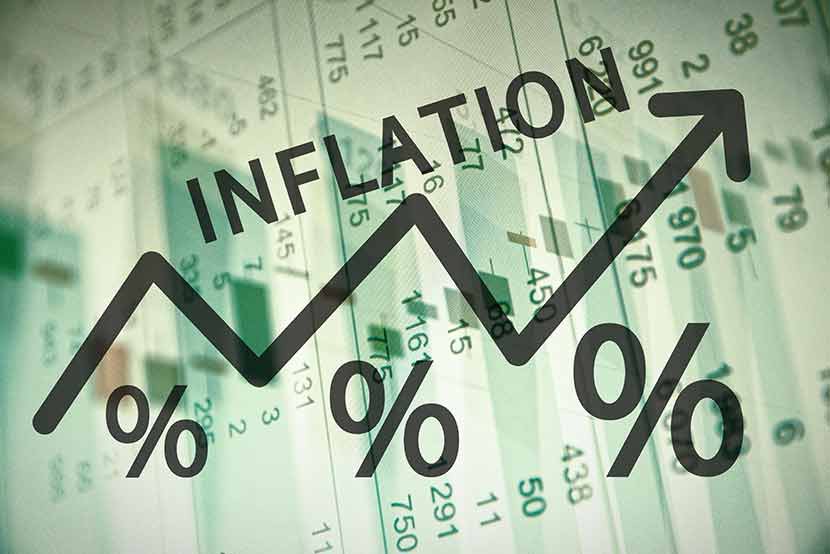
Lower-than-expected inflation figures released Wednesday and Thursday added to the dollar’s weakness. This data has heightened market expectations for a more dovish Federal Reserve, with futures markets now fully pricing in two 25-basis-point rate cuts by the end of the year.
ECB’s Signal Boosts Euro to 3-Year High
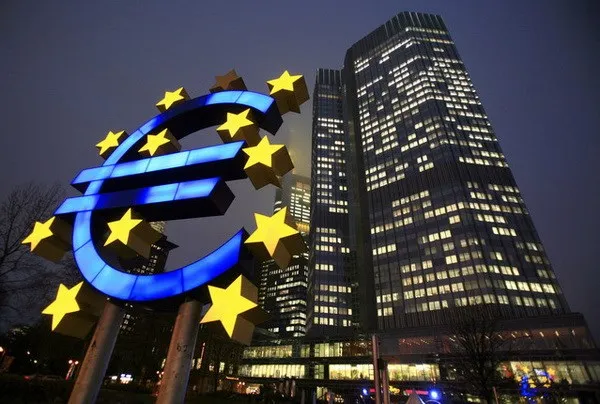
In contrast, the European Central Bank’s recent suggestion that it may soon conclude its rate-cutting cycle propelled the euro 0.8% higher against the dollar—reaching $1.158, its strongest level since October 2021. This divergence in central bank outlooks further intensified the dollar’s decline.
Broader Concerns Drag Dollar Lower
The greenback’s slide—nearly 10% year-to-date—reflects broader economic and political anxieties. These include:
-
Ongoing trade war fears,
-
Rising U.S. budget deficit concerns,
-
Indications that some global investors are reducing exposure to U.S. assets.
Adding to this unease is a new budget provision potentially increasing taxes on foreign investment, deepening uncertainty around the U.S. investment climate.
Expert Insight: More downside ahead for the dollar?
According to Vasileios Gkionakis, Senior Economist at Aviva Investors:
“The dollar’s weakness has room to continue. The shift away from the U.S. exceptionalism narrative is pushing U.S. risk premia higher and weighing on dollar valuations.”
Conclusion
As economic and geopolitical dynamics continue to evolve, markets remain on edge. While equities show signs of recovery, the dollar’s decline highlights growing investor concerns over America’s global positioning and fiscal stability. All eyes are now on central banks and policy decisions that could shape the second half of 2025.
🔗 EXPLORE MORE LATEST NEWS RIGHT HERE!
- Forex: Get the latest trends and effective trading strategies
- Crypto: Stay updated on the hottest cryptocurrency market news
- Stock & Commodities: Discover potential investment opportunities
- Trading Brokers: Choose reliable brokers for your trades
- Expert Advisor: Smart tools to assist your trading
- Finance News: 24/7 updates on financial news
DON’T MISS OUT, CLICK AND READ NOW!
- t.me/finance_solutes
- Website: https://finance-solutes.com
- Hotline: +1 929 5636 439 ( Hotline )
- 26 Broadway, Suite 934, New York, 10004, US
