
 XM
XM Bybit
Bybit Binance
 Robinhood
 Webull
 IC Markets
 Pepperstone
 OKX
OKX Vantage
 VT Markets
 BingX
BingX Gate.io
 Kucoin
 MEXC
MEXC Exness
 Bitget
While recent months have seen financial markets rocked by dramatic swings, a more profound and lasting shift is quietly unfolding. Beyond short-term volatility lies a deeper story: the instability of economic consensus and the structural changes catalyzed by unpredictable U.S. tariff policies.
Economic Consensus in Turmoil
Earlier this year, confidence in “American economic exceptionalism” peaked at the World Economic Forum in Davos. That optimism quickly gave way to deep pessimism—fears of recession and the fragmentation of the global order. Today, sentiment has settled into an unsettled middle ground.
Markets mirrored this volatility. Between February and May, the S&P 500 dropped nearly 20% from its peak, only to rebound 14% within four weeks. The VIX—Wall Street’s so-called “fear index”—swung wildly, and the U.S. 10-year Treasury yield fluctuated within a tight yet telling range of 0.80 percentage points.
Even traditional market correlations have reversed. A stronger U.S. dollar no longer reliably coincides with lower bond yields. Liquidity in some government bond segments became uneven in April, raising red flags about the functionality of even the most secure markets.
The Role of U.S. Tariff Policy
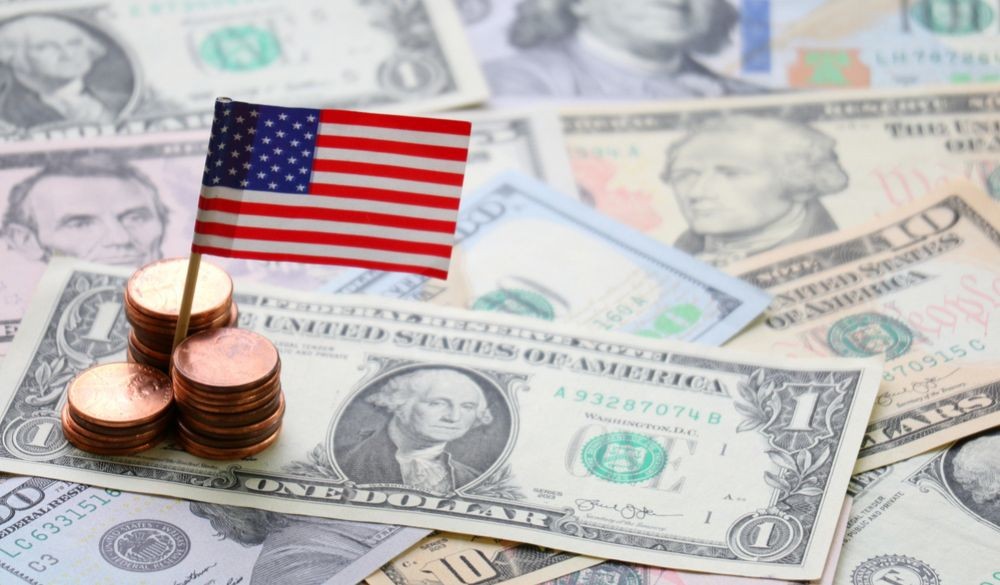
Many analysts point to erratic U.S. tariff decisions as the primary catalyst. The on-again, off-again nature of tariffs has created confusion about their ultimate purpose. Are they designed to generate revenue and reshore manufacturing—implying long-term protectionism? Or are they tactical tools to negotiate fairer trade—suggesting eventual rollback?
This policy uncertainty has fueled shifts in broader economic narratives. Former confidence in U.S.-led growth is being replaced by fears of stagflation and global fragmentation.
From Growth Engine to Global Risk
The global perception of the U.S. economy has shifted. Once seen as a locomotive of growth and a stable anchor, the U.S. is now viewed more as a source of volatility. Doubts are rising even about long-held assumptions—like the dollar’s role as the world’s reserve currency and the reliability of U.S. financial markets as safe havens for global savings.
What’s more concerning is that these changes may not be temporary. U.S. tariffs appear less as isolated events and more as accelerants of structural economic shifts.
Underlying Structural Forces at Work
The inability of many countries to generate strong, inclusive, and sustainable growth has weakened the effectiveness of traditional economic tools. As political considerations increasingly override economic logic, the architecture of the global system is under threat.
Narrowly optimized cross-border supply chains are now seen as vulnerabilities, exposing economies to both slower growth and higher inflation. Years of fiscal neglect and excessive central bank intervention have reawakened bond markets, which are once again punishing fiscal irresponsibility.
What Comes Next? Global Coordination or Deeper Risk?
Recent market turbulence is a clear signal: long-standing structural forces are reasserting themselves, and they will not be easily resolved—even with innovation. Instead of returning to a perceived “normal,” the global economy may be drifting further into uncharted and uncomfortable territory.
Conclusion
This is not a moment to wait and hope for calm. Governments, corporations, households, and investors must treat today’s volatility as a wake-up call—one that demands both domestic policy reforms and more coordinated global strategies to confront shared challenges.
🔗 EXPLORE MORE LATEST NEWS RIGHT HERE!
- Forex: Get the latest trends and effective trading strategies
- Crypto: Stay updated on the hottest cryptocurrency market news
- Stock & Commodities: Discover potential investment opportunities
- Trading Brokers: Choose reliable brokers for your trades
- Expert Advisor: Smart tools to assist your trading
- Finance News: 24/7 updates on financial news
DON’T MISS OUT, CLICK AND READ NOW!
- t.me/finance_solutes
- Website: https://finance-solutes.com
- Hotline: +1 929 5636 439 ( Hotline )
- 26 Broadway, Suite 934, New York, 10004, US
