
 XM
XM Bybit
Bybit Binance
 Robinhood
 Webull
 IC Markets
 Pepperstone
 OKX
OKX Vantage
 VT Markets
 BingX
BingX Gate.io
 Kucoin
 MEXC
MEXC Exness
 Bitget
The global trade landscape is once again in turmoil as major U.S. trade partners react to President Donald Trump’s newly imposed 25% auto tariff. Countries across Asia, Europe, and North America have warned of potential retaliatory measures, signaling the risk of an escalating global trade war. The announcement has already impacted global stock markets, with shares of major automakers experiencing sharp declines.
International Reactions and Potential Retaliation
Leaders from several nations have expressed strong opposition to the new tariff. Japanese Prime Minister Shigeru Ishiba stated that “all options” are being considered, while South Korea has pledged an immediate response. Trump’s tariff is set to take effect on April 2, coinciding with Washington’s planned retaliatory tariffs on other trade partners.

European Commission President Ursula von der Leyen announced that the European Union is prepared to “defend economic interests” while pursuing diplomatic resolutions. Meanwhile, French Finance Minister Eric Lombard criticized the U.S. for its “drastic shift in economic policy,” adding that the EU is drafting a list of American products for potential countermeasures. In contrast, U.K. Finance Minister Rachel Reeves suggested that Britain would not engage in retaliatory action, seeking to avoid further trade disputes.
Impact on the Auto Industry
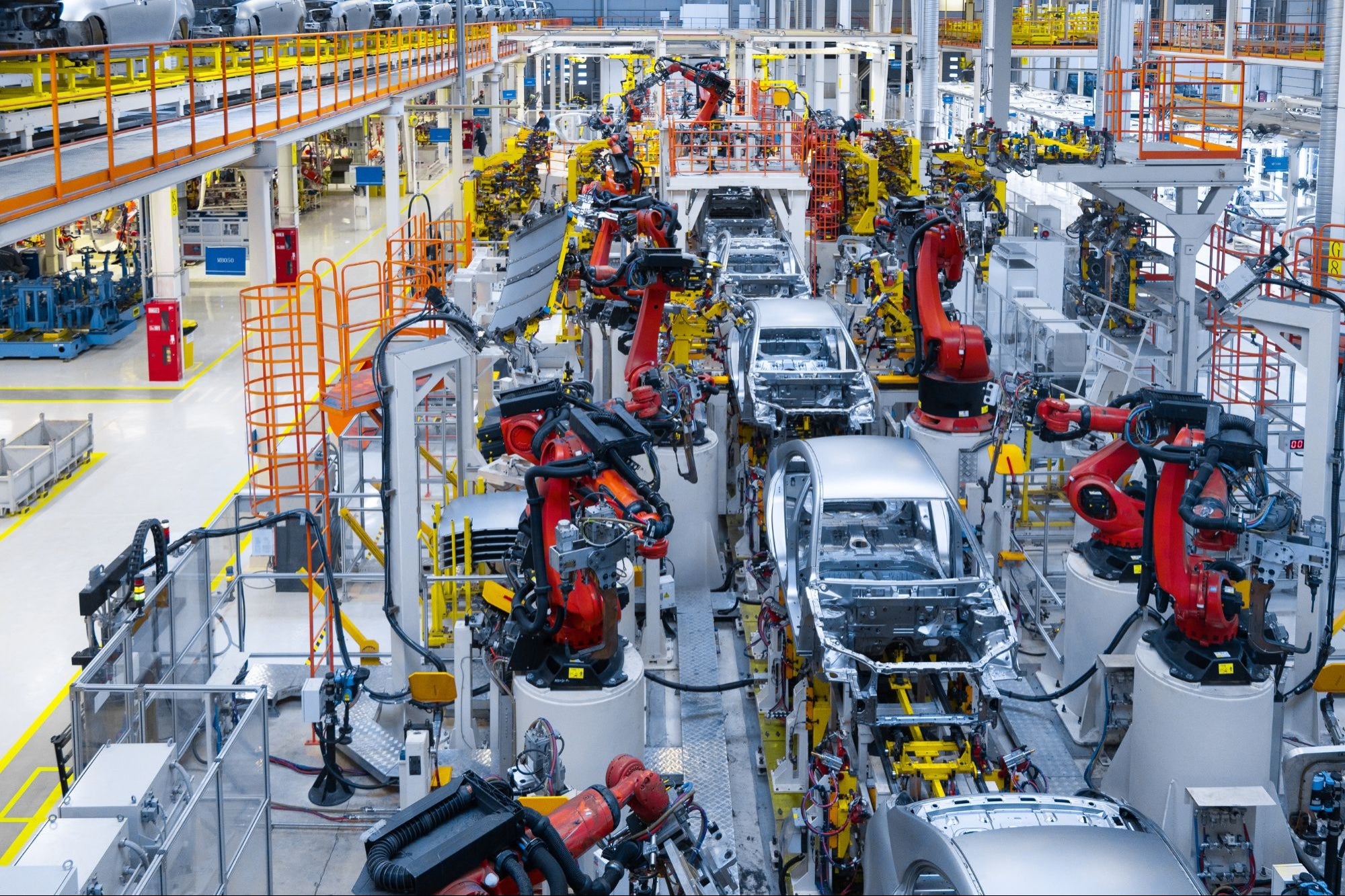
The auto industry has been significantly affected by the tariff announcement. Stocks of major car manufacturers—including Toyota, Stellantis, and Porsche—plummeted in early trading. The Stoxx Europe 600 Automobiles & Parts index dropped by 3% on Thursday.
Luxury automakers like Jaguar Land Rover and Aston Martin face severe challenges since they do not produce vehicles in the U.S. Japan, the second-largest exporter of finished vehicles to the U.S. after Mexico, could suffer significant economic losses, with its automobile exports to the U.S. reaching $40 billion in 2024.
Market Reactions and Economic Consequences
The tariff has triggered widespread market volatility. Shares of Stellantis, which owns Fiat, Peugeot, and Chrysler, declined by 4%, while Porsche and Volkswagen saw decreases of 3% and 2%, respectively. European auto parts suppliers were also hit, with France’s Valeo dropping 5% and Germany’s Continental falling 2.8%. In the U.S., General Motors and Ford stocks fell in pre-market trading.
The White House’s decision to extend tariffs to imported auto parts further exacerbates concerns. Analysts warn that nearly half of all vehicles sold in the U.S. are imports, and even domestically assembled cars rely on foreign-made components for nearly 60% of their parts, according to Bernstein research.
Trump’s Justification and Industry Concerns
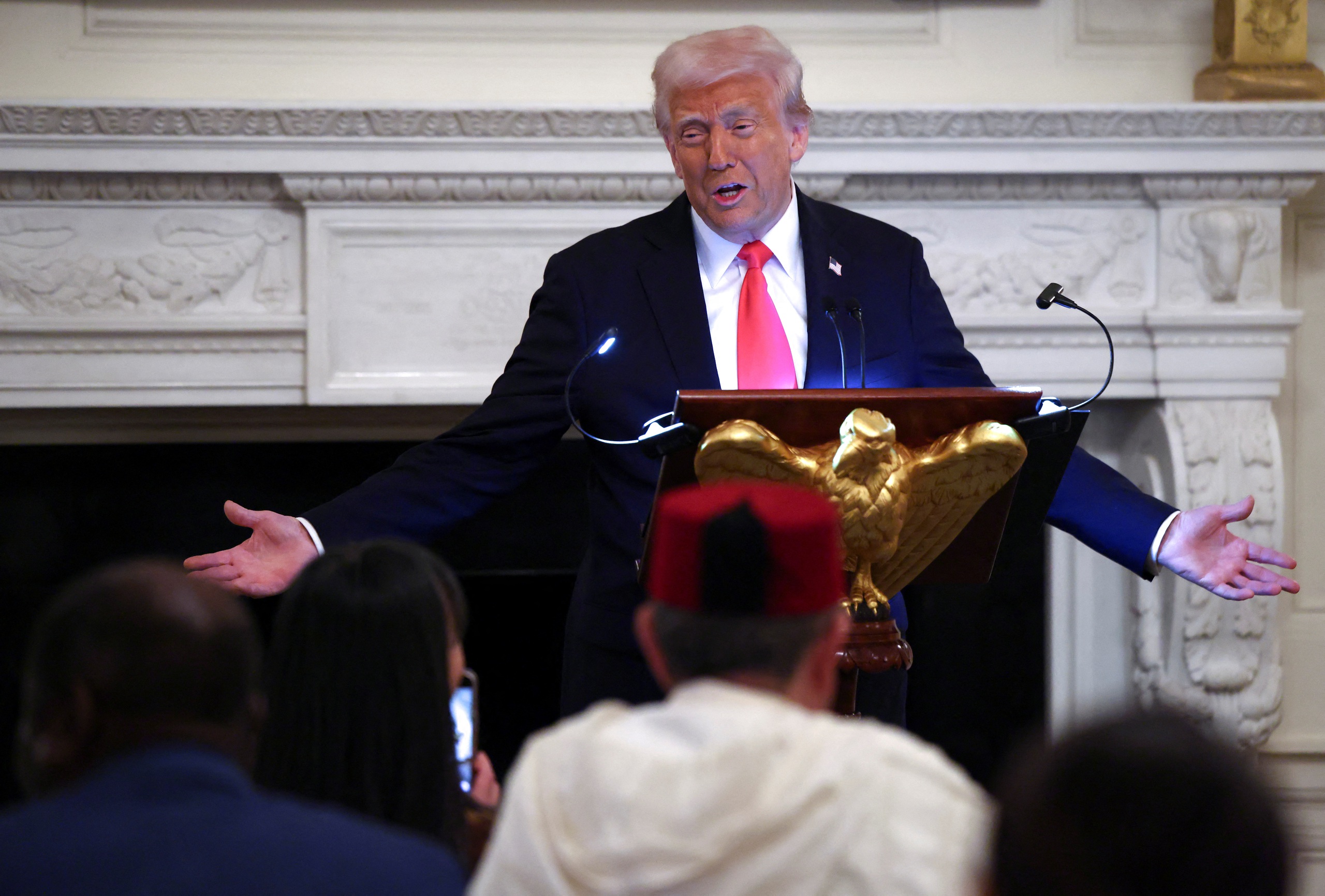
President Trump insists that the tariffs will encourage foreign automakers to increase production within the U.S., bolstering domestic manufacturing. However, Sigrid de Vries, Director General of the European Automobile Manufacturers’ Association (ACEA), cautioned against the policy’s adverse effects. “Tariffs will not only harm global automakers but also negatively impact U.S. manufacturing,” de Vries warned.
Conclusion
As the April 2 deadline approaches, tensions are rising between the U.S. and its trade partners. While the Trump administration believes the tariffs will strengthen the American auto industry, international opposition and potential retaliatory measures could escalate into a full-fledged trade conflict. The coming weeks will be critical in determining the long-term economic and geopolitical consequences of this policy.
🔗 EXPLORE MORE LATEST NEWS RIGHT HERE!
- Forex: Get the latest trends and effective trading strategies
- Crypto: Stay updated on the hottest cryptocurrency market news
- Stock & Commodities: Discover potential investment opportunities
- Trading Brokers: Choose reliable brokers for your trades
- Expert Advisor: Smart tools to assist your trading
- Finance News: 24/7 updates on financial news
DON’T MISS OUT, CLICK AND READ NOW!
- t.me/finance_solutes
- Website: https://finance-solutes.com
- Hotline: +1 929 5636 439 ( Hotline )
- 26 Broadway, Suite 934, New York, 10004, US
