
 XM
XM Bybit
Bybit Binance
 Robinhood
 Webull
 IC Markets
 Pepperstone
 OKX
OKX Vantage
 VT Markets
 BingX
BingX Gate.io
 Kucoin
 MEXC
MEXC Exness
 Bitget
The head of the Congressional Budget Office (CBO) has raised concerns that market volatility triggered by President Donald Trump’s tariff policies could become a “tipping point” for foreign investors, potentially weakening demand for U.S. assets and undermining economic stability.
Market Turbulence Raises Alarm
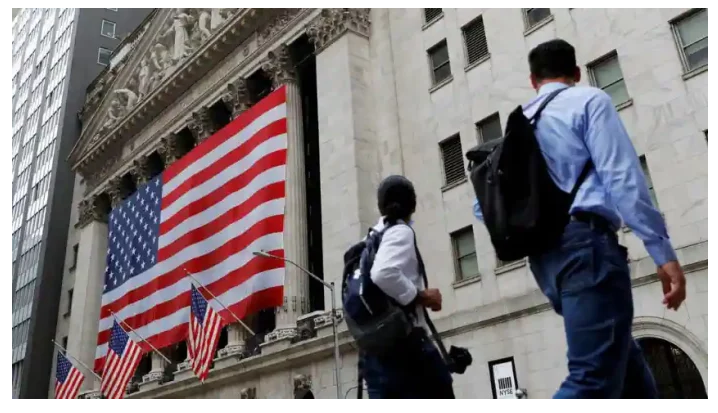
Phillip Swagel, Director of the CBO, told the Financial Times that the financial instability following Trump’s April 2 “liberation day” tariff announcement may have lasting effects. The S&P 500 dropped by up to 15%, borrowing costs surged, and both equity and debt markets experienced major disruptions.
While markets eventually stabilized as reciprocal tariffs were paused, investors remain cautious. Swagel warned that erratic policy changes could deter long-term global interest in U.S. assets, which have historically outperformed global markets.
Risks to Growth and Budget Financing
Swagel emphasized that international investor enthusiasm is crucial for U.S. economic growth, job creation, and financing the country’s growing budget deficits. Reduced interest in U.S. securities could make it harder for the government to fund its debt and manage public spending.
The CBO is currently preparing a 10-year forecast to assess the broader impact of Trump’s economic agenda. However, Swagel noted that it’s still unclear whether the April sell-off will leave a lasting mark or prove to be a temporary fluctuation.
Uncertainty Around Trade Agreements
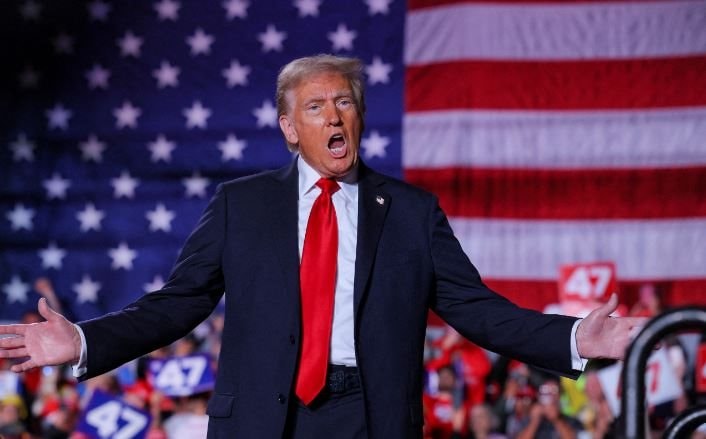
This week, the U.S. reached its first post-tariff trade agreement with the United Kingdom. Still, doubts linger about whether Washington can secure deals with larger partners like China. Investors are also closely watching whether Trump’s tax cuts and deregulation efforts will translate into long-term growth.
Swagel said that tariffs may only be one part of the picture. “It’s possible the administration moves forward on other fronts, which could lead to a positive outcome. Or this could mark the beginning of slower growth.”

Investor Sentiment Still Fragile
Global financial leaders expressed deep concern at the spring meetings of the IMF and World Bank. Swagel described the mood as the most negative he had seen but noted some improvement since then. “Sentiment has shifted from extremely negative to wait-and-see,” he said.
He warned that even a mild pullback by foreign investors could impact the dollar’s strength and overall financial stability.
Fiscal Plans and Revenue Concerns
The Trump administration has acknowledged short-term pain from tariffs but insists the long-term benefits—reshoring industry and reducing the federal deficit—will outweigh the costs. Treasury Secretary Scott Bessent plans to halve the deficit from 6.4% in 2024 to 3% by the end of Trump’s second term.
Swagel said this goal is “entirely possible” with stronger growth and spending restraint, though the details remain critical. The CBO is awaiting the passage of a key budget bill—known as the “reconciliation” measure—before releasing its summer forecast.

Debt Outlook and the Tax Debate
The last CBO outlook, released in March, projected that U.S. debt would reach a post-WWII high by the end of the decade. Trump is pushing for the reconciliation bill to pass by July 4. Bessent has warned that missing a mid-July deadline could risk breaching the debt ceiling by August.
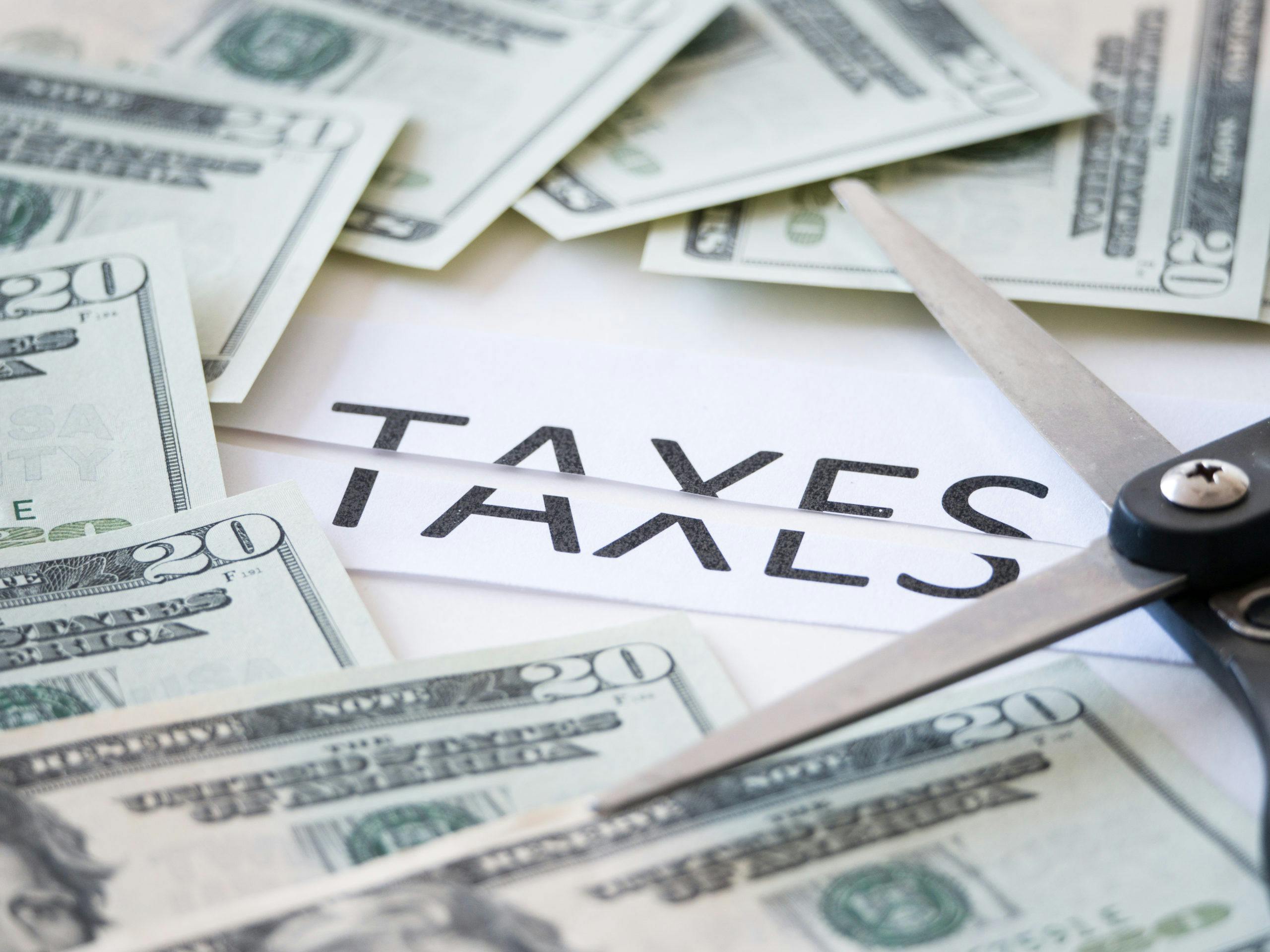
The bill would make Trump’s initial term tax cuts permanent, which the CBO estimates could add $6 trillion to the deficit over 10 years. Meanwhile, a flat 10% universal tariff could reduce the deficit by $2.2 trillion over the same period. However, higher tariffs do not necessarily result in proportional revenue gains and could have broader economic downsides.
Conclusion
As the Trump administration doubles down on its economic strategy, concerns grow over how international markets will react to ongoing uncertainty. Whether the April turmoil was a brief stumble or the start of a deeper shift in global investor behavior remains to be seen—but policymakers and investors alike are bracing for the consequences.
🔗 EXPLORE MORE LATEST NEWS RIGHT HERE!
- Forex: Get the latest trends and effective trading strategies
- Crypto: Stay updated on the hottest cryptocurrency market news
- Stock & Commodities: Discover potential investment opportunities
- Trading Brokers: Choose reliable brokers for your trades
- Expert Advisor: Smart tools to assist your trading
- Finance News: 24/7 updates on financial news
DON’T MISS OUT, CLICK AND READ NOW!
- t.me/finance_solutes
- Website: https://finance-solutes.com
- Hotline: +1 929 5636 439 ( Hotline )
- 26 Broadway, Suite 934, New York, 10004, US
