
 XM
XM Bybit
Bybit Binance
 Robinhood
 Webull
 IC Markets
 Pepperstone
 OKX
OKX Vantage
 VT Markets
 BingX
BingX Gate.io
 Kucoin
 MEXC
MEXC Exness
 Bitget
The trajectory of UK interest rates will depend heavily on whether wage growth slows as forecast, Bank of England (BoE) officials told Members of Parliament on Tuesday. Amid global economic uncertainty, Governor Andrew Bailey emphasized that weakening labor market conditions are central to the bank’s decision to cut rates.
BoE Governor Cites Wage Trends in Rate Cut Decision
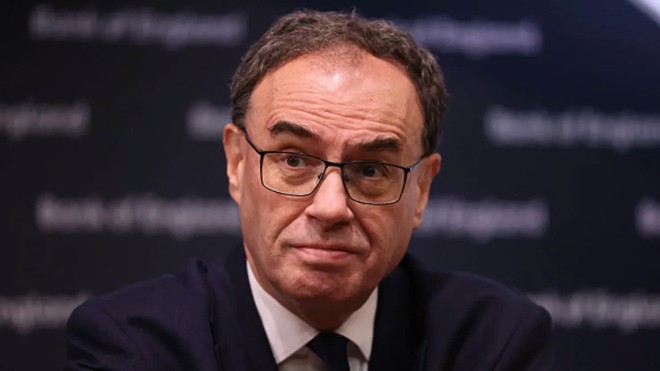
Andrew Bailey, Governor of the Bank of England, said his vote last month to cut the UK’s benchmark interest rate by 0.25 percentage points to 4.25% was influenced by evidence of a cooling job market and expectations that employers will offer lower wages. Bailey noted that disruptions in global trade policy also pushed him toward supporting a rate cut.
Speaking to the Treasury Select Committee, Bailey stated, “We expect to see wage growth decline this year,” and added that this anticipated trend will be “very important” in shaping future interest rate decisions.
Signs of a Weakening Labor Market
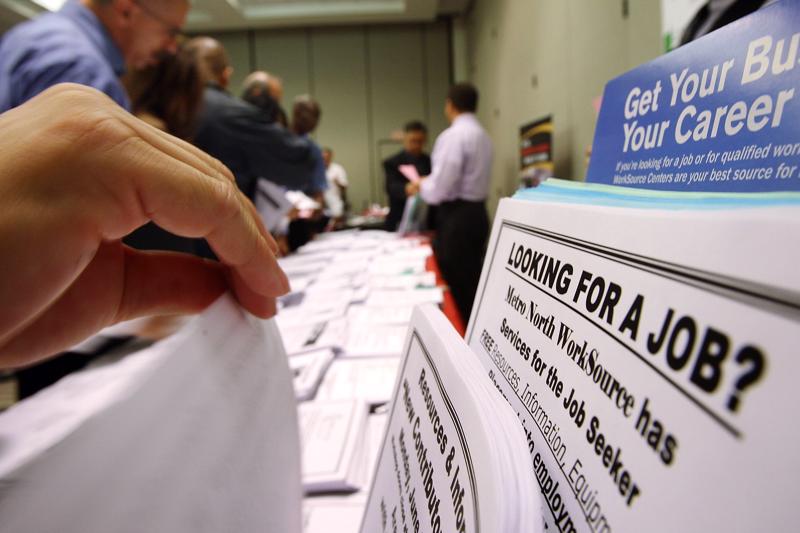
Deputy Governor Sarah Breeden told lawmakers that there was already sufficient evidence of a weakening labor market to justify supporting a rate cut, even without factoring in growing international risks. Breeden’s comments suggest that internal UK dynamics, especially employment conditions, are driving monetary policy considerations.
Dissent Within the BoE Committee
However, not all officials shared the same view. Catherine Mann, who voted to keep the interest rate unchanged at 4.5%, voiced concerns over increased financial market volatility and the potential for more erratic inflation patterns to influence consumer behavior.
Mann highlighted that inflation, which rose to 3.5% in April — its highest in 15 months — could exceed 4% if short-term global pressures persist. This, she warned, could reach a “threshold that changes consumer sentiment.”
Divided Opinions Reflect a Complex Economic Outlook
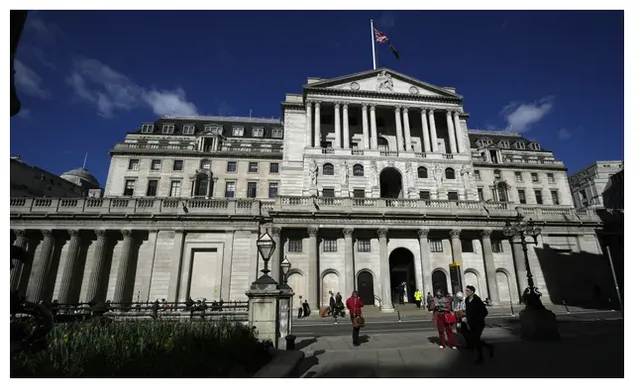
The BoE’s rate cut last month was its fourth since summer 2024, bringing borrowing costs to their lowest levels since 2023. Yet, the decision exposed deep divisions within the Monetary Policy Committee. Of its nine members, five supported the 0.25-point cut, two voted for a deeper 0.5-point reduction, and two — Mann and Chief Economist Huw Pill — preferred to leave rates unchanged.
Conclusion
The future of UK interest rates remains uncertain, hinging largely on whether wage growth softens as expected. As global economic instability continues to impact domestic conditions, the Bank of England must weigh diverging views and evolving data to guide its next monetary policy moves.
🔗 EXPLORE MORE LATEST NEWS RIGHT HERE!
- Forex: Get the latest trends and effective trading strategies
- Crypto: Stay updated on the hottest cryptocurrency market news
- Stock & Commodities: Discover potential investment opportunities
- Trading Brokers: Choose reliable brokers for your trades
- Expert Advisor: Smart tools to assist your trading
- Finance News: 24/7 updates on financial news
DON’T MISS OUT, CLICK AND READ NOW!
- t.me/finance_solutes
- Website: https://finance-solutes.com
- Hotline: +1 929 5636 439 ( Hotline )
- 26 Broadway, Suite 934, New York, 10004, US
