
 XM
XM Bybit
Bybit Binance
 Robinhood
 Webull
 IC Markets
 Pepperstone
 OKX
OKX Vantage
 VT Markets
 BingX
BingX Gate.io
 Kucoin
 MEXC
MEXC Exness
 Bitget
In the process of researching investment sources for projects, startups will have to go through fundraising rounds in order to proceed with the most effective development. So specifically, how will these fundraising rounds be carried out? What is the process like? To help startups better understand these fundraising rounds, let’s explore the detailed content below. These pieces of information will definitely be very useful for you.
What are the fundraising rounds in a startup?
When searching for investment sources for a project, startups typically go through fundraising rounds such as Seed, Series A, B, C, etc. The gap between these rounds usually ranges from 6 to 12 months. The fundraising process in each round typically involves steps like gathering detailed data from companies, seeking investors, preparing and rehearsing presentations, meeting with investors, and raising funds.
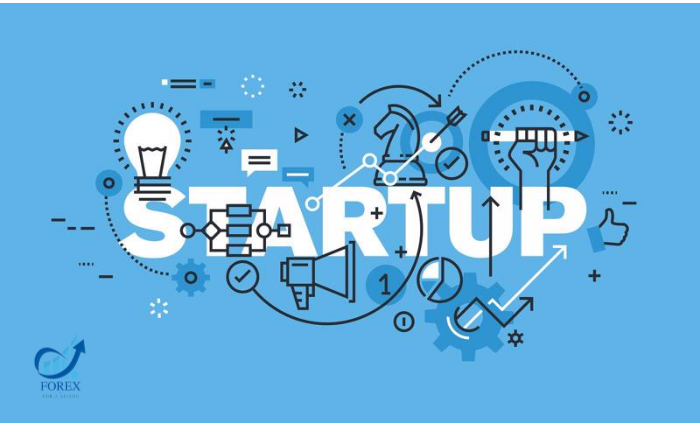
Next, it’s about building relationships and preparing presentations, proposals, and specific plans. The evaluation round follows, and the funding round concludes with the transfer and necessary paperwork.
Seed Stage Funding (Pre-seed Funding)
This is the first round of fundraising and also a very important phase for a startup. The funds and investors involved at this stage are mainly starting the market testing process and exploring a specific area. Typically, this round involves fundraising from family, friends, or angel investors. At this stage, companies have limited data and little capital. The main goal is to sell the idea and invest in the individual founders.
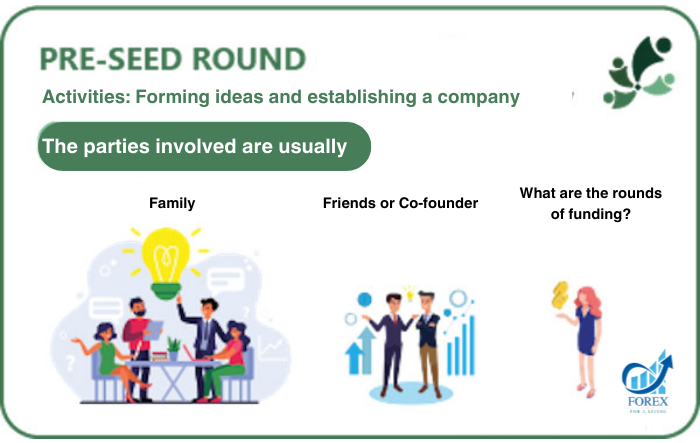
Seed Stage Funding
The second stage is also very important and a phase that startups need to focus on. This is the round where startups urgently need capital to develop their business idea. Behind these fundraising rounds, there are usually angel investors, fixed funds, incubators, and startup accelerator programs.
The investment amount in this round typically ranges from $10,000 to $100,000. The funds will be used for further research, testing the market proficiency of the product, hiring key staff, and product development. Investors at this stage typically have to accept risks and may face multiple investment failures. However, a well-managed venture capital group or a portfolio of previously invested projects can still generate profits for investors in this round.
Series A Round
At this stage, investors will start reviewing actual data to see what the startups have done with the money previously invested. Investors may not be too concerned with revenue issues; they want to know which key metrics can be improved and identify the potential for the project to become a valuable money-making entity.
The capital in Series A is typically used to adjust what has been done to develop a model that can quickly scale in the future. Previous investors may continue to participate, although now the startup will seek collaboration with investors who can help take the company to new heights.
The Series A round usually involves venture capital funds and angel investors. If they are involved, investors will expect their investment to be utilized effectively. The capital may be used in various ways, and whether these investments are beneficial or effective during the transaction process. Other investors who may participate in this round include private companies, family businesses, hedge funds, or joint ventures.
Series B Round
In the Series B round, startups are seeking participation from venture capital funds. The capital raised at this stage will be used to build the company on the foundation of existing successes, with expansion in teams, geography, and new market development, generally aiming to scale up the business. The amount raised during this round can reach tens of millions of USD. Investors are typically carefully selected to dive into the future. This stage raises issues that will help decide acquisitions that could attract potential investors.
Series C and Beyond
If a startup reaches this stage, it has truly reached a critical point. Your company may be valued at over $100 million and can raise up to $50 million or even $1 billion in Series C. The company can enter a sprint phase, increasing its market share and expanding into new markets. There is also a significant opportunity for your company to receive strategic acquisition bids. This can be achieved by recruiting talent, eliminating competition in terms of users and geographical locations, or merging with multiple companies.
At this stage, the startup will collaborate with some of the largest investment firms or even corporate investors. However, this also carries risks as financial issues can become the most challenging aspect. This round is for founders, as investors become increasingly stringent and expect a more rigorous due diligence process.
Above are the details about the characteristics of the fundraising rounds that startups should pay attention to. We hope that this article provides useful and practical information to help you better understand these fundraising rounds and carry them out as smoothly and effectively as possible.
- t.me/finance_solutes
- Website: https://finance-solutes.com
- Hotline: +1 929 5636 439 ( Hotline )
- 26 Broadway, Suite 934, New York, 10004, US
