
 XM
XM Bybit
Bybit Binance
 Robinhood
 Webull
 IC Markets
 Pepperstone
 OKX
OKX Vantage
 VT Markets
 BingX
BingX Gate.io
 Kucoin
 MEXC
MEXC Exness
 Bitget
The attraction of the Polkadot platform for investors has remained significant in recent years, and one of the most prominent projects driving this attraction is Acala Network with its stablecoin aUSD and the Homa protocol – a perfect solution to the liquidity issue of locked assets. So, what is Acala Network? How does Acala Network operate? What is the use of the ACA coin? Let’s explore these details in the following article!
1. WHAT IS ACALA NETWORK?
Acala Network is a decentralized finance (DeFi) network that provides a blockchain platform secured by Polkadot. This network allows the issuance of self-serviced loans through the Acala Dollar (aUSD) stablecoin, acts as a liquidity provider, grants access to staking derivatives, and still enables the trading of alternative assets (L-Assets), all while earning high APY interest based on digital assets.
Founded in October 2019, Acala Network has received five grants from the Web3 Foundation, along with support from Coinbase Ventures, Pantera Capital, Polychain Capital, and other leading organizations. Additionally, the project has a distribution team in New Zealand, China, Europe, South America, and the United States.
2. HOW DOES ACALA NETWORK OPERATE?
2.1. Honzon Stablecoin Protocol
The Honzon Stablecoin protocol uses the Acala Network Dollar (aUSD) stablecoin, which is pegged 1:1 to the US dollar. Through balancing supply and demand, combined with automatic risk management algorithms, community governance, and various incentive measures, the stability of the aUSD exchange rate has been maintained.
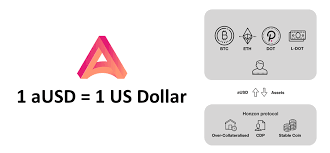
The Honzon Stablecoin protocol is inspired by MakerDAO, the pioneering project in the decentralized finance (DeFi) space on Ethereum, known for its cryptocurrency-backed lending service. Similar to MakerDAO, when users deposit cryptocurrency assets such as Bitcoin (BTC), Ether (ETH), or Polkadot (DOT), a Collateralized Debt Position (CDP) will be opened. The process of creating a collateralized debt position is as follows:
- Deposit Collateral: Users need to deposit their cryptocurrency assets into the protocol, and these assets will be locked as collateral in the CDP.
- Open CDP and Borrow aUSD: After depositing collateral, users are allowed to borrow a certain amount of aUSD, with the total value of the loan not exceeding the value of the collateral initially deposited to open the CDP. Users cannot remove or replace the collateral until the loan is fully repaid in aUSD.
- Repay aUSD: When users close their collateralized debt position, the system will require them to repay the owed aUSD and a small stability fee either in ACA or aUSD.
- Close CDP: After successfully repaying the owed aUSD and stability fee, users can close the CDP and retrieve their original collateral.
2.2. Homa Protocol
The Homa protocol was built to address the liquidity challenge of staked assets. It sets up a staking pool that encodes the user’s staked assets into L-Assets, a type of asset that can be invested in or used in other applications. For example, users can lend L-DOT to earn interest or use L-DOT as collateral for the aUSD stablecoin. The Homa protocol encodes staked DOT into L-DOT, in which:
- L-DOT can be traded and have liquidity across all chains on the Polkadot network.
- L-DOT can be exchanged for basic DOT at any time, with an option for immediate or earlier exchange than unbonded transferable DOT.
- Governance is decentralized and shared on-chain by L-DOT and ACA holders.
- The algorithm adjusts staking strategies to optimize returns and ensure liquidity.
- The highest security level is achieved by leveraging Polkadot’s shared security mechanism.
- Fee structures can be adjusted to increase usability.

In general terms, the Homa protocol sets up a decentralized staking pool where users lock their DOT to earn staking rewards while receiving L-DOT as a receipt that is liquid and can continue to be traded. The Homa protocol manages the issuance of L-DOT, the buyback of underlying assets, locked assets, staking participation activities, staking strategies, reward and penalty management.
3. WHAT IS ACA COIN?
ACA Coin is the native token of Acala Network. The total supply of ACA coins will be minted at the launch of the mainnet and stored in an ACA coin reserve pool, to be distributed to the ACALA Fund, seed round investment partners, IPO participants as rewards, with the remaining amount sold to the public.
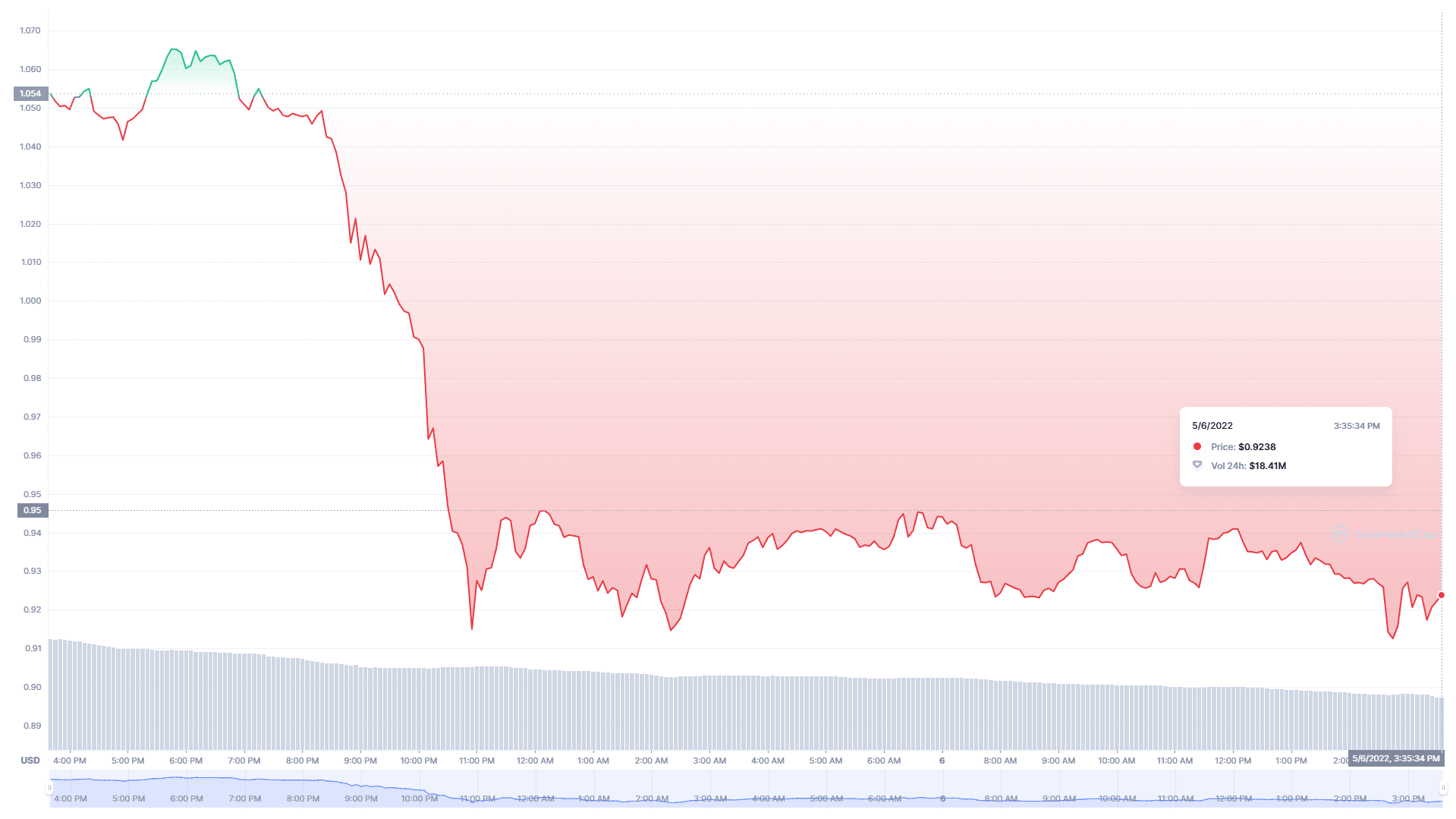
Price chart for ACA Coin Market Cap on May 6, 2022:
3.1. Functions of ACA Coin
Utility Token
ACA Coin is used to pay for network transaction fees, stability fees (interest on aUSD loans), and liquidation penalties in case of a CDP liquidation. To close any CDP, a stability fee in the form of ACA coins is required for payment.
Only on Acala Network, an equivalent amount of aUSD or other supported assets can be used to pay the fees, and they can be automatically swapped into ACA coins via the integrated exchange. When ACA coins are received, the system will burn them and permanently remove them from the supply. As the market demand for aUSD and CDPs increases, the demand for ACA coins also rises as users need to pay stability fees.
In case a CDP becomes risky, it will be automatically liquidated by the system, and the liquidation penalty will automatically be used to purchase ACA coins on an exchange. These ACA coins will then be burned and permanently removed from the supply.
Network Governance
ACA coin holders have the right to propose network upgrades and adjust risk parameters (such as stability fees, debt ceilings, liquidation ratios, and liquidation penalties), which will be approved or rejected by an on-chain elected council. Note that holding ACA coins does not grant holders any rights to the profits generated by Acala Network.
Backup Solution
In situations such as a sudden drop in collateral value that leads to an under-collateralized CDP, ACA coins will be automatically reduced and sold on the market to recapitalize the system.
3.2. Basic information about ACA Coin
- Token Name: Acala Network
- Ticker: ACA
- Blockchain: Polkadot
- Token Type: Utility, Governance
- Total Supply: 1,000,000,000
3.3. ACA Coin Allocation
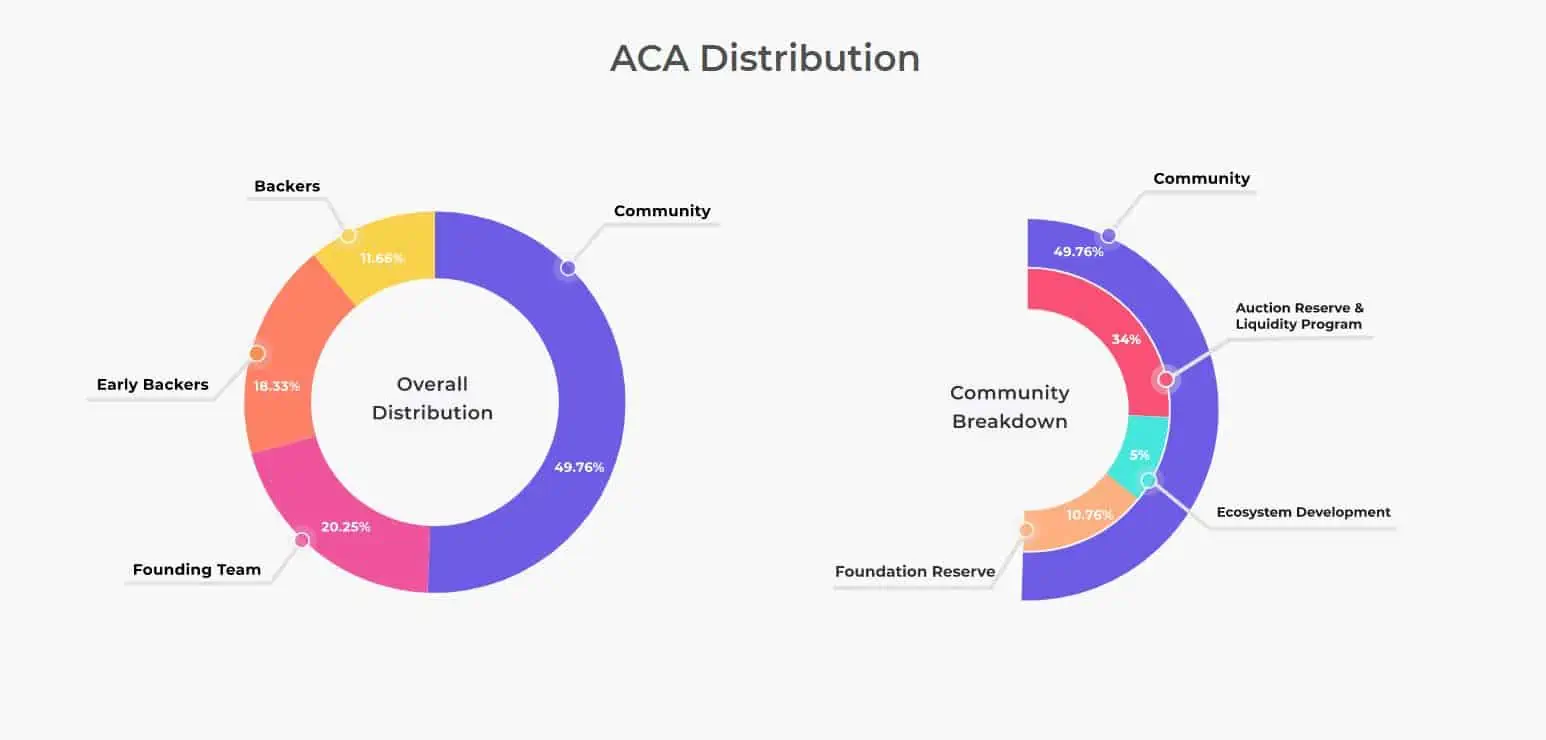
The total supply of ACA coins will be stored in the ACA coin reserve pool when the mainnet is released and distributed as follows:
- 20.25% allocated to the Acala Network development team.
- 5% allocated to the development of the Acala Network ecosystem, such as grants and rewards.
- 11.62% reserved for the Acala Foundation Treasury.
- 29.13% allocated to strategic investors: 18.33% for seed investors.
- 34% distributed as rewards for IPO participants and contributors to the network, including liquidity providers, early participants, lead miners, and collaborators.
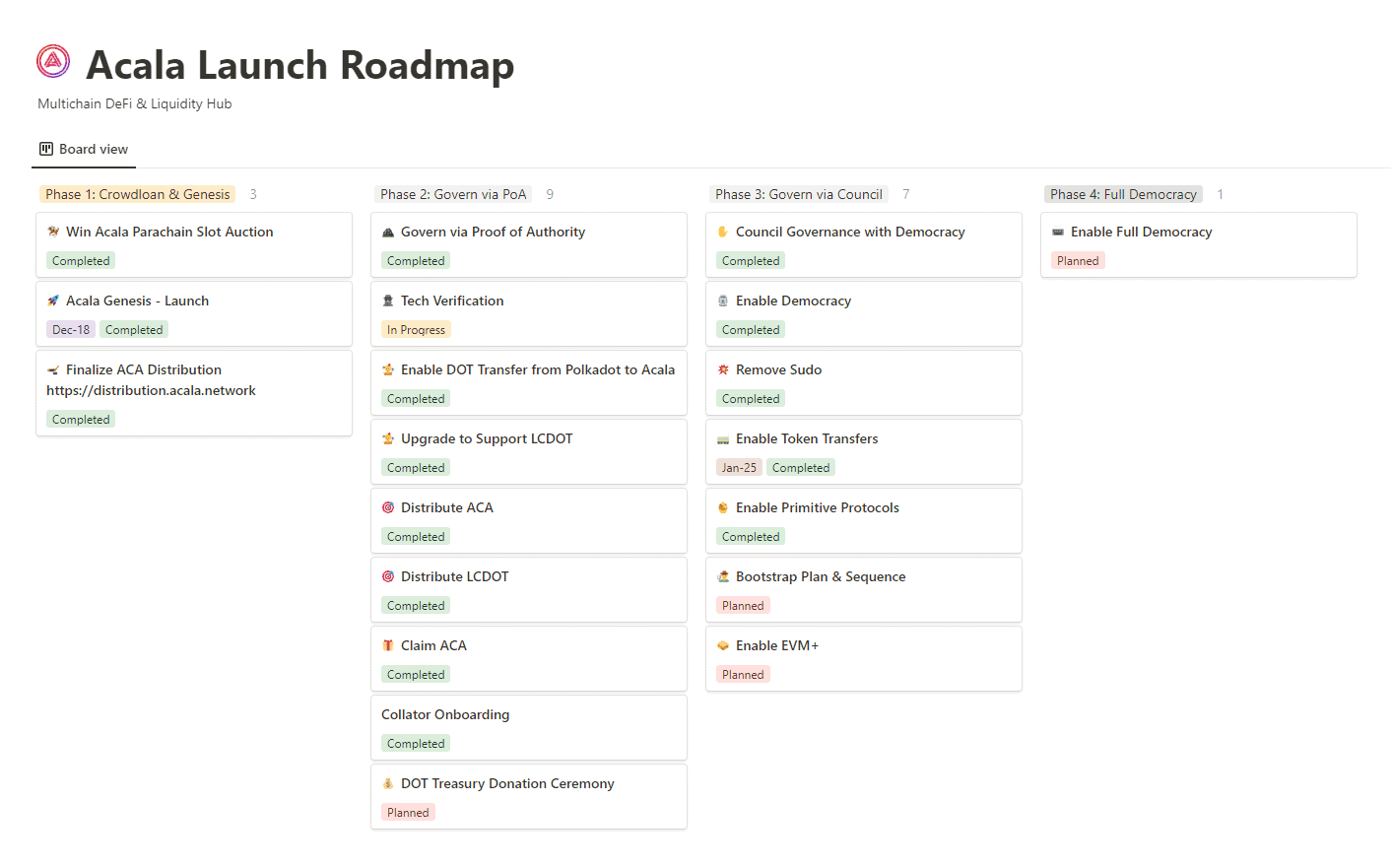
4. ROADMAP
For the latest updates on the development roadmap of the Acala Network project, please visit the official website at https://acala.network/.
5. PROJECT DEVELOPMENT TEAM
The members of the Acala Network development team include individuals with experience and accomplishments in the fields of technology and finance. Among them, co-founder Ruitao Su is also the CEO of Laminar, a leading DeFi platform that allows margin trading.

6. PROJECT PARTNERS
Some of the partners of the Acala Network project include Ankr, Subsocial Network, Purestake, and others.
7. SUMMARY
The article by Finance Solutes has provided a detailed introduction to the Acala Network (ACA) project, including the project’s goals, operational mechanisms, detailed information about the ACA token, project roadmap, development team, and project partners. We hope the information above will help you evaluate the project before making an investment decision.
- t.me/finance_solutes
- Website: https://finance-solutes.com
- Hotline: +1 929 5636 439 ( Hotline )
- 26 Broadway, Suite 934, New York, 10004, US
