
 XM
XM Bybit
Bybit Binance
 Robinhood
 Webull
 IC Markets
 Pepperstone
 OKX
OKX Vantage
 VT Markets
 BingX
BingX Gate.io
 Kucoin
 MEXC
MEXC Exness
 Bitget
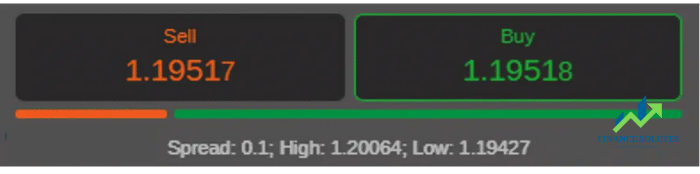
Understanding buy and sell positions in Forex is fundamental for all beginner traders. Choosing a buy or sell position depends on whether the trader believes a currency will appreciate (go up) or depreciate (go down) against another currency. Simply put, when a trader expects a currency to increase in value, they “Buy” the base currency, and when they anticipate the currency will decrease in value, they “Sell” the base currency.
Let’s dive into the details with Finance Solutes in today’s article!
1. BUYING AND SELLING IN THE FOREX MARKET
When it comes to Forex trading, each trader has different methods and trading styles. Knowing when to buy or sell depends on various factors, but traders often pay attention to trading volume when the market is volatile due to the higher associated risk.
The significance of buying and selling in the Forex market: Buying and selling currency pairs involves estimating the increase or decrease in the value of one currency relative to another.
Factors affecting currency pairs:
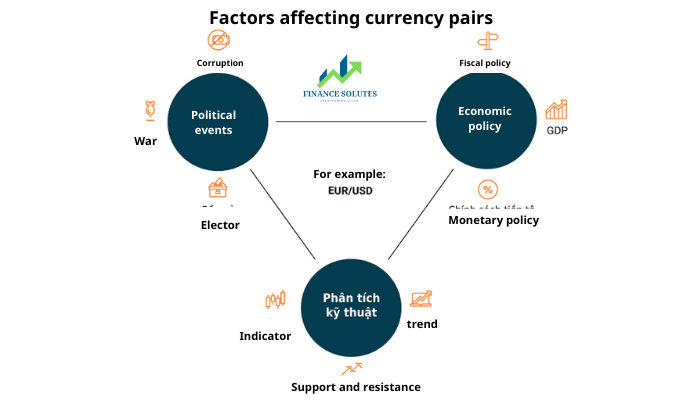
– Political Events: Government instability, corruption, and national political changes can affect the value of a currency. For example, when President Donald Trump was elected, the value of the U.S. dollar surged.
– Economic Policies: From a fundamental analysis perspective, Forex traders must closely monitor unemployment figures, GDP, monetary, and fiscal policies that impact currency values. You can track events that may affect the market through an economic calendar.
– Technical Analysis: Technical traders tend to focus on value areas (support and resistance levels), trends, and various indicators as the foundation for their Forex trades.
Real-Life Example:
Suppose you want to buy EUR/USD. If the EUR appreciates against the USD after the trade is executed, you can make a profit (depending on commissions and other fees). When trading, the trader buys EUR and sells USD simultaneously.
Example: If the EUR/USD pair is bought at 1.1300 and later rises to 1.1504 when the trade is closed/exited, the profit on the trade would be 204 pips. This is illustrated in the chart below.
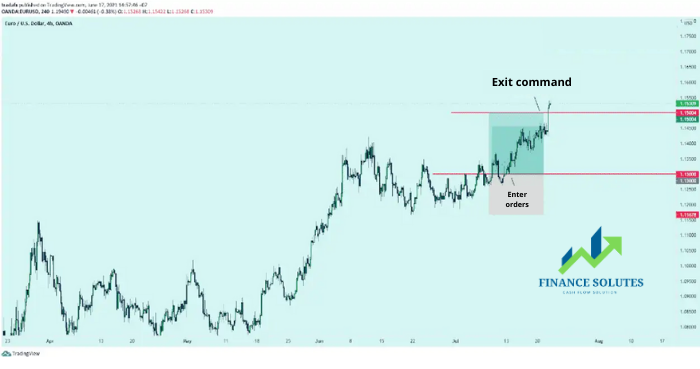
In this example, a technical analysis approach was used to identify entry and exit points:
– Entry Point: The morning star candlestick pattern helps identify a potential entry point, further confirmed by the RSI indicator signaling an oversold condition.
– Exit Point: Key resistance levels are used to set the initial take-profit level.
Similarly, fundamental traders can trade by monitoring news events that may have an impact.
2. BUY AND SELL POSITIONS IN FOREX TRADING
When a trader expects a currency to appreciate, they buy the base currency. Conversely, they sell the base currency if they anticipate depreciation.
2.1. What is a Position in Forex Trading?
A position in Forex trading refers to the amount of currency owned by an individual or institution, which is then traded based on the price movement of that currency relative to others.
Positions can be either long (buy) or short (sell) and have three key characteristics:
– The base currency pair
– Trade direction (buy or sell)
– Position size
Traders can hold multiple positions across different currency pairs. If they expect a currency’s price to rise, they may buy it. The size of the position they take depends on their account balance and margin requirements. It is crucial for traders to use appropriate leverage.
2.2. Executing Buy and Sell Positions in Forex
Holding a buy or sell position in Forex trading means betting on the rise or fall of a currency pair’s value.
Buying or selling is the most critical aspect of participating in the market. When a trader buys, they anticipate the asset will increase in value. When they sell, they expect the asset to decline in value, allowing them to buy it back at a lower price in the future.
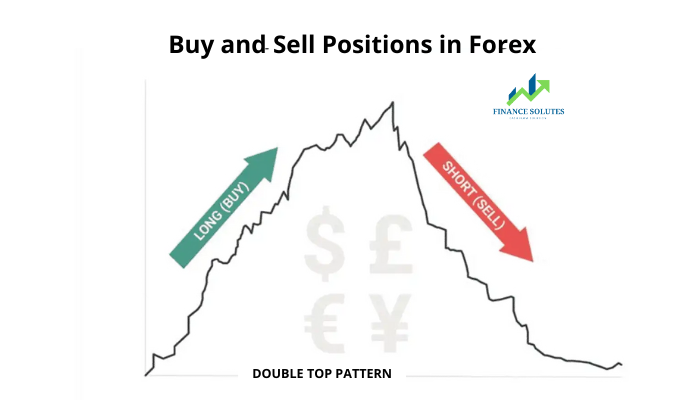
2.3. What is a Buy Position? When to Trade with a Buy Position
A buy position is a trade executed when a trader expects the underlying asset to increase in value.
For example, when a trader places a buy order, they hold a long position in the base currency. In the case of USD/JPY, they anticipate that the U.S. dollar will appreciate against the Japanese yen.
Traders look for buy signals to execute long positions. Useful tools that can assist in identifying these signals include indicators.
One example of a buy signal is when the currency price drops to a support level. In the chart below, the USD/JPY exchange rate falls to 108.168, repeatedly touching and rebounding from this level. As a result, 108.168 acts as a support level and provides traders with a buy signal when the price declines to this point.
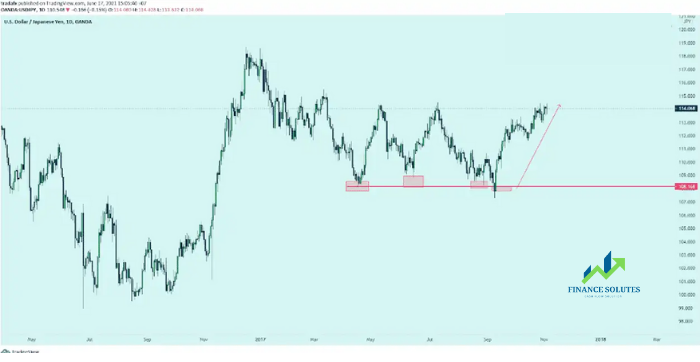
2.4. What is a Sell Position? When to Execute a Sell Position?
A sell position is essentially the opposite of a buy position. When traders take a sell position, they expect the price of the base currency to decrease.
Short-selling a currency means selling the base currency with the expectation that its price will decline in the future, allowing the trader to buy it back later at a lower price. The difference between the higher selling price and the lower buying price is the profit.
For example, if a trader sells USD/JPY, they are selling USD to buy JPY.
A common sell signal occurs when the price of the base currency reaches a resistance level. Resistance is an area where the price repeatedly touches but fails to break through. In the chart below, USD/JPY rises to 114.486 and attempts to break above it. This level acts as resistance and provides traders with a sell signal when the price reaches 114.486.
Some traders prefer to trade only during major trading sessions. However, in reality, they can execute trades at almost any time.
3. CONCLUSION
Through this article, we hope you have gained a clear understanding of buy and sell positions in Forex, as well as when to execute these positions in the Forex market. Additionally, you have learned about the key factors affecting currency pairs.
From here, you can apply this knowledge to develop a suitable trading strategy. Wishing you good luck and success in your trading journey!
- t.me/finance_solutes
- Website: https://finance-solutes.com
- Hotline: +1 929 5636 439 ( Hotline )
- 26 Broadway, Suite 934, New York, 10004, US
