
 XM
XM Bybit
Bybit Binance
 Robinhood
 Webull
 IC Markets
 Pepperstone
 OKX
OKX Vantage
 VT Markets
 BingX
BingX Gate.io
 Kucoin
 MEXC
MEXC Exness
 Bitget
CBDC is a term increasingly mentioned in the fields of finance and blockchain technology. So, what exactly is CBDC? What does CBDC stand for? What are the benefits and risks that central banks face when deciding to adopt digital currency?
Today’s article will answer all your questions about CBDC tokens.
1. WHAT IS CBDC?
CBDC stands for Central Bank Digital Currency, which refers to a type of digital currency issued by a country’s central bank. Users can utilize this currency for online transactions or as a store of value. Simply put, CBDC is a digital version of fiat currency, issued by the central bank and directly linked to the national currency of a country.
However, most countries consider CBDC as a supplementary currency rather than a replacement for traditional money. After understanding what CBDC is, some may find it similar to stablecoins. And yes, CBDC shares several similarities with stablecoins. But what exactly differentiates CBDC from cryptocurrencies like stablecoins? We’ll cover that in the following sections!
1.1. How Does Central Bank Digital Currency Work?
Since CBDC is a digital currency issued by central banks, its functionality and implementation vary across different countries. The purpose of CBDC and its use cases depend on the specific goals of each nation. However, from a theoretical perspective, most CBDC models share a common framework. Let’s explore this further in the next sections.
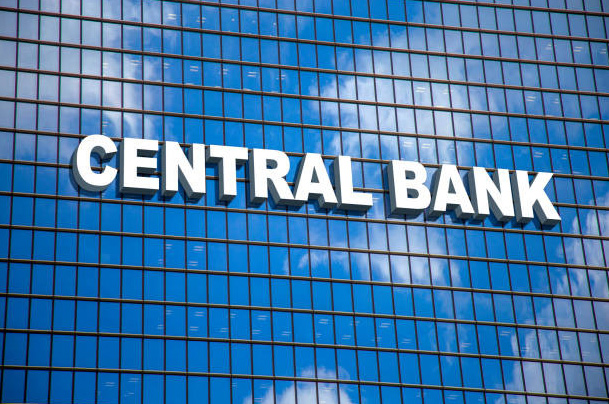
First, CBDC is issued by a country’s central bank, just like physical cash is issued by central banks with government approval and backing. Once in circulation, CBDC can be used for various financial transactions, including online payments, salaries, fees, and purchases. Essentially, it functions similarly to transferring money between banks. But this raises the question: Why create CBDC?
CBDC enhances security, efficiency, and cost-effectiveness within financial systems. All user transactions are recorded and stored using distributed ledger technology (DLT). Commercial banks can also share transaction data through this ledger, ensuring transparency and security.
1.2. What is the difference between Cryptocurrency and CBDC?
Now, let’s clarify how CBDC differs from traditional cryptocurrencies like Bitcoin (BTC) or Ethereum (ETH). Most cryptocurrencies are not legally recognized by governments. Currently, many countries, including Vietnam, lack clear regulations for digital currencies. To address this, CBDC is built using DLT technology to provide greater control and oversight. Here are key differences between cryptocurrency and CBDC:
- Supply Control: Most cryptocurrencies have a fixed supply cap hardcoded into their blockchain protocols, making changes difficult. CBDC, however, is issued by central banks and does not have a fixed supply limit. Instead, its supply is regulated according to a country’s monetary policies, just like fiat currency. CBDC combines the advantages of blockchain-based digital currencies with government-backed stability, making it a unique financial instrument.
- Pegged to Fiat Currency: This is the key factor that allows you to differentiate between stablecoins and CBDCs. Stablecoins, or stable-value coins, are pegged to the value of fiat currency, and so are CBDCs. However, stablecoins are backed by private financial institutions, whereas CBDCs are issued by a country’s Central Bank, officially recognized, approved, and supported by the national government.
2. TYPES OF CBDCs
Based on the requirements of commercial banks and the Central Bank, CBDCs can currently be divided into two types. Below is a detailed explanation of what each type of CBDC is and its characteristics.
2.1. What is Retail CBDC?
The first type is Retail CBDC, which is issued publicly and widely distributed to the general public. This type of CBDC is used for online service transactions and money transfers between friends and family. Several key principles of retail CBDCs agreed upon by Central Banks worldwide include:
- Controlled and issued by the country’s Central Bank. The quantity of CBDC coins or CBDC tokens is determined and limited by the Central Bank.
- Must be accepted as a means of payment by citizens, businesses, and even government agencies within the country.
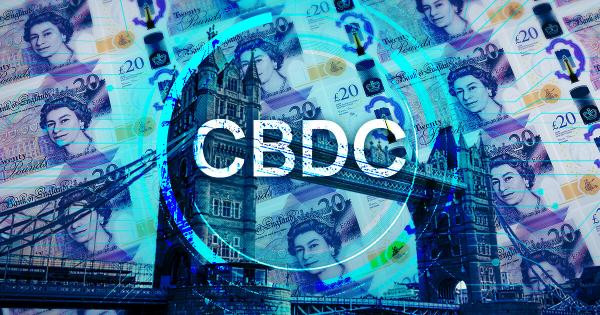
- Transaction costs must be lower than those of fiat currency transactions. CBDC tokens will be distributed at a value equivalent to the country’s fiat currency.
2.2. What is Wholesale CBDC?
Since we’ve already mentioned retail CBDC, you can probably guess what the second type is. Wholesale CBDC, or bulk CBDC, is distributed in large quantities to financial institutions for asset transactions or value storage.
Wholesale CBDC is considered a promising and practical proposal, with the potential to make the financial system faster, cheaper, and more secure. Thanks to CBDC coins, interbank transaction processing times will be reduced, and international payments will no longer take as much time as before.
3. BENEFITS AND RISKS OF CBDCs
Any project related to a country’s currency or payment system must consider and analyze both its benefits and potential risks. The same applies to Central Bank Digital Currency (CBDC). Below is a detailed analysis of its advantages and risks:
| Advantages | Risks |
|
|
4. COUNTRIES TESTING CBDCs
The growing appeal and development of digital currencies worldwide, especially CBDCs in Vietnam, are undeniable. According to reports from the Bank for International Settlements (BIS), more than 80% of the world’s Central Banks are engaged in CBDC research. Countries like China, Sweden, and the Bahamas are currently in the testing phase.
- Sand Dollar is the digital currency version in the Bahamas, issued by the Central Bank of the Bahamas through authorized financial institutions.
- China’s CBDC is known as the digital yuan. The People’s Bank of China was one of the first central banks to research and develop a national CBDC, starting in 2014. By 2020, China launched its first CBDC pilot in Shenzhen.
- Sweden, home to the world’s oldest bank, also began its CBDC project in 2017, called e-krona. Sweden’s CBDC testing phase lasted from 2020 to 2022, aiming to provide an alternative payment solution in emergencies or disruptions from traditional payment service providers.

- Vietnam is also joining the race for a national Central Bank Digital Currency. In mid-June 2021, the State Bank of Vietnam was assigned by the Prime Minister to research digital currency based on Blockchain technology. This can be considered the first foundational step toward Vietnam’s future CBDC.
5. CONCLUSION
Today’s article on CBDC has helped clarify the concept of Central Bank Digital Currency while also highlighting the future that CBDCs may bring to countries worldwide. This future suggests that CBDCs will significantly impact financial markets and national payment systems. As a result, clear and transparent regulatory policies will be required, along with well-planned testing phases and official implementation strategies for CBDC circulation.
- t.me/finance_solutes
- Website: https://finance-solutes.com
- Hotline: +1 929 5636 439 ( Hotline )
- 26 Broadway, Suite 934, New York, 10004, US
