
 XM
XM Bybit
Bybit Binance
 Robinhood
 Webull
 IC Markets
 Pepperstone
 OKX
OKX Vantage
 VT Markets
 BingX
BingX Gate.io
 Kucoin
 MEXC
MEXC Exness
 Bitget
KAVA Coin – the 10th project introduced by Binance Launchpad, has attracted significant attention from investors. Therefore, today’s article from tradafx will help you understand what Kava Coin is, which ecosystem Kava Coin belongs to, the products within the Kava Ecosystem, and an overall review of the Kava Token cryptocurrency.
1. WHAT IS KAVA?
The Kava Coin project is a protocol that allows users to lend and borrow in a decentralized finance (DeFi) model. While most DeFi projects are built on the Ethereum blockchain, Kava Network has chosen to build on the Cosmos network. The Kava platform acts as the next generation of decentralized lending, offering new flexibility to the market. Currently, Kava Network provides a range of assets for lending with collateralized loans and stablecoins.
The protocols within the Kava ecosystem are built on the Ethereum EVM virtual machine and the Cosmos SDK. The Kava Coin network empowers developers to build Web 3.0 applications and next-generation blockchain technologies through its unique co-chain architecture.
1.1. How does Kava Network work?
Users of the Kava Network can collateralize their cryptocurrency assets to borrow USDX. While stablecoins like USDT or USDC are commonly known, USDX is the stablecoin native to the Kava network. The cryptocurrency locked in the smart contract to receive the USDX loan is used as collateral for that loan.
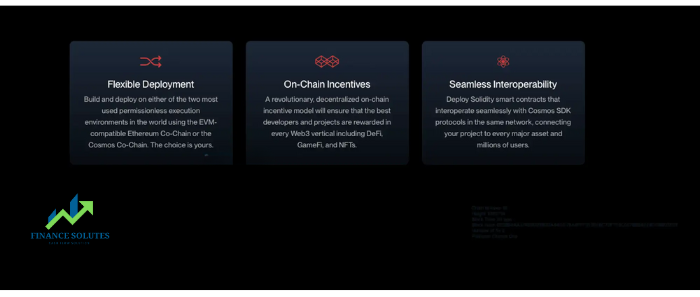
Kava Coin network users can leverage their loans by collateralizing any supported cryptocurrency asset. For example, you can choose to lock BTC or XRP within the protocols to receive an equivalent amount of USDX. With a range of decentralized applications (dApps) built by the community within the Kava Coin ecosystem interacting with each other, you can store assets across different wallets and have them monitored by various organizations.
In essence, the Kava Coin platform has three main functions:
- KAVA Lend: Users can earn rewards by lending their assets to borrowers in need.
- KAVA Swap: This feature allows users to exchange various token types on the KAVA Chain and earn rewards by providing liquidity to different liquidity pools.
- KAVA Mint: Using the borrower’s assets as collateral, users can receive a corresponding loan in USDX.
1.2. Kava Coin Network’s Proprietary Technology
The main features of the Kava Coin network revolve around decentralized lending and borrowing through proprietary technologies integrated into the network.
1.2.1. Co-Chain Structure
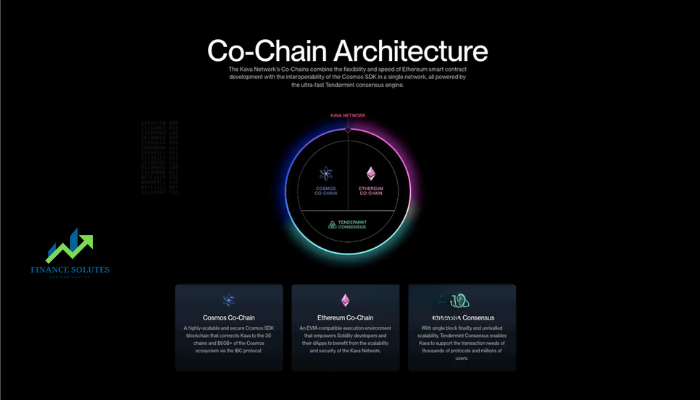
The most important feature of the Kava Network is its co-chain architecture. With co-chain, the Kava Network enables developers to utilize either the EVM environment or Cosmos SDK to build and deploy their projects, allowing for seamless interoperability between the two environments. The diagram below shows how this system structure will function once the Kava 10 upgrade is completed, which is expected to happen in May this year, and when the Kava Network’s mainnet becomes operational.
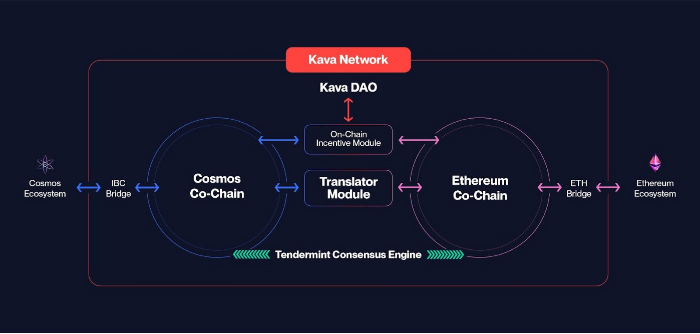
The co-chain structure of the Kava Coin network operates similarly to the two hemispheres of the brain. While the Cosmos Co-Chain is optimized for developers in the Cosmos ecosystem, the Ethereum Co-chain supports developers in the Ethereum ecosystem. The conversion model between these two environments in the Co-chain allows them to work seamlessly together on a large scale.
1.2.2. Cosmos SDK and Tendermint Core
For those who have read the article about the Cosmos project previously introduced by tradafx, the Cosmos SDK and Tendermint Core may already be familiar. The Kava Network is built using the Cosmos SDK, an open-source framework designed for building blockchains with a public Proof of Stake (PoS) consensus mechanism. As new open-source modules are developed for the Cosmos ecosystem, the Kava network can quickly implement the desired modules.
1.2.3. On-chain Mechanism
The Kava Coin network’s unique approach encourages developers by maintaining transparency through an open mechanism. A portion of the emissions of KAVA tokens will be directly allocated to protocols to incentivize usage and stimulate the growth of the Kava ecosystem.
1.2.4. KavaDAO
DAO stands for “Decentralized Autonomous Organization.” KAVA DAO acts as a self-governing organization that manages the Kava Network. It consists of validators who help secure and operate the Kava Coin network. KAVA DAO operates under a liquid democracy model and determines the features and functionalities of the network, what changes should be applied to the network, and, most importantly, how to incentivize on-chain developers to contribute across both chains.
2. KAVA ECOSYSTEM
The mission of the KAVA Coin ecosystem is to continuously provide its users with safe, reliable access and the potential to earn through DeFi features on the Kava Network. Within just a few years of its official launch, the Kava ecosystem has expanded to include projects in GameFi, NFTs, and more. To ensure the security standards that the Kava Coin network promises, the project is uniquely integrating new projects into its network.
If you’ve looked into blockchain, you may be aware of the risks associated with introducing new projects without proper vetting from blockchain layer 1 protocols. Allowing anyone to launch tokens or create protocols on them has led to hacks or frauds that could result in losses amounting to hundreds of millions of dollars.
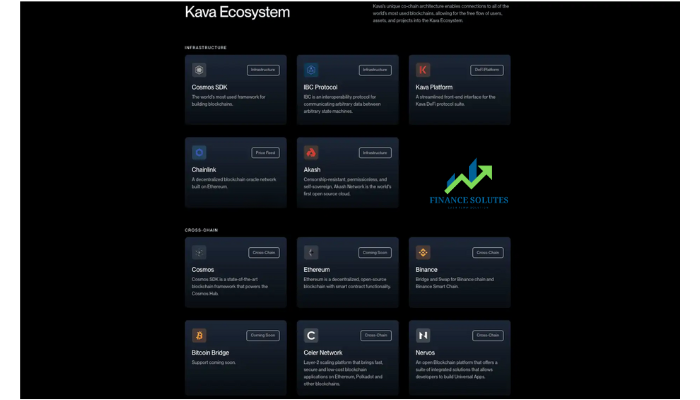
Kava Network is implementing a filtering process to ensure the quality of projects within the Kava ecosystem. This process will be handled in a decentralized manner through Kava DAO. Projects will be able to build and test on the Kava Airlock public testnet before submitting a proposal to launch on the Kava Coin mainnet. KAVA token holders will participate in voting to decide which protocols are allowed to become part of the Kava ecosystem.
3. WHAT IS KAVA COIN?
KAVA is the token of the KAVA ecosystem. The two main tokens in the KAVA Network are USDX and KAVA. The use of these two tokens within the Kava Coin network ensures the maximization of both user flexibility and developer capabilities. Basic information about KAVA Coin, which you can find on KAVA Coingecko or KAVA Coinmarketcap, includes:
- Symbol: KAVA
- Blockchain: Kava Chain
- Token Standard: ERC20, BEP2
- Token Type: Governance, Utility
- KAVA Coin Market Cap: $842,089,259 USD
- Circulating Supply: 177,028,767 KAVA coins
KAVA Token Smart Contract Addresses:
- ERC20: 0x0C356B7fD36a5357E5A017EF11887ba100C9AB76
- BEP2: KAVA-10C
- Polygon: 0x87D32F2C0A3D6D091772890C81E321026454a125
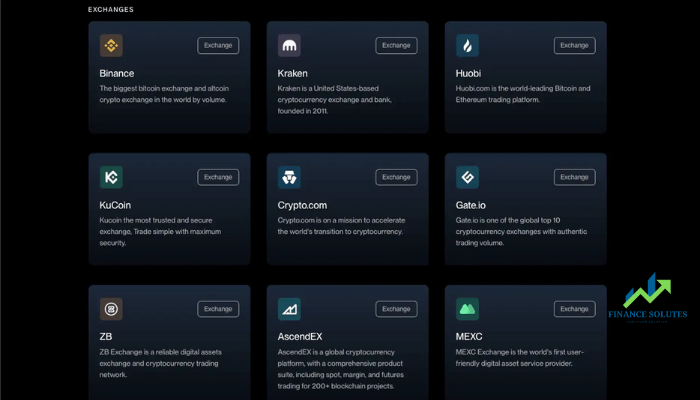
You can mine Kava Coin on various mining platforms. Additionally, Kava Coin can be bought, sold, and traded on numerous cryptocurrency exchanges, including top crypto platforms. The most popular trading pairs for Kava Coin are KAVA/USDT, KAVA/BTC, and KAVA/BNB. The only exchange offering KAVA Coin trading pairs with fiat currencies EUR and USD is Kraken. As of now, Binance is the exchange with the highest liquidity for KAVA tokens.
3.1. How is Kava Coin Allocated?
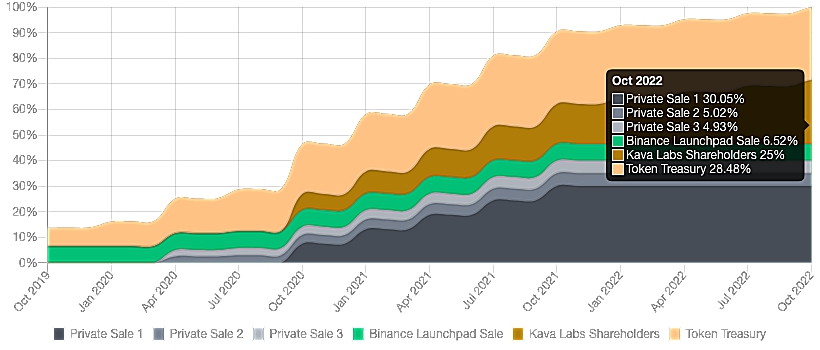
KAVA Coin was sold in three private sale rounds from June to August 2019, followed by a public sale on Binance Launchpad in October 2019. The distribution of KAVA Coins is as follows:
- Private Sale 1: 30.05% of the total supply
- Private Sale 2: 5.02% of the total supply
- Private Sale 3: 4.93% of the total supply
- Binance Launchpad Token Sale: 6.53%
- KAVA Labs Shareholders: 25% of the total supply
- Reserve: 28.48%
The KAVA Coin price during the three private sale rounds was $0.075, $0.25, and $0.40 per token, respectively. The total raised from the three private sales amounted to $5.48 million. The KAVA Coin Sale on Binance Launchpad was sold at $0.46 per token and raised $3 million. Below is the distribution chart of Kava Coins over time:
3.2. What is the Purpose of KAVA Token?
In fact, not only KAVA Coin but most native coins of other projects also perform functions such as being used as a medium of exchange within the network, ensuring security, and participating in platform governance. KAVA Coin is used for three main purposes:
- Security: The top 100 nodes confirm transaction blocks based on the number of KAVA tokens held by the validators. Validators can receive KAVA coins as rewards and a portion of transaction fees. However, tokens may be deducted if validators fail to meet operational time requirements or double-sign transactions.
- Governance: As mentioned above, KAVA token holders have the right to vote on proposals for changes in the KAVA Network, the SAFU fund, and fund allocations within the KAVA ecosystem.
- Incentivizing Contributions: A portion of the KAVA token emissions will be redistributed to top projects within each chain to use as rewards to expand the network, promote development, and address issues within the KAVA ecosystem.
3.3. How to Earn Money with KAVA Coin
For coins with a Proof of Stake (PoS) consensus mechanism, there is often a staking mechanism that allows coin holders to earn passive income. Not only project platforms but also cryptocurrency exchanges like Binance, Huobi, etc., offer coin staking programs for profit.
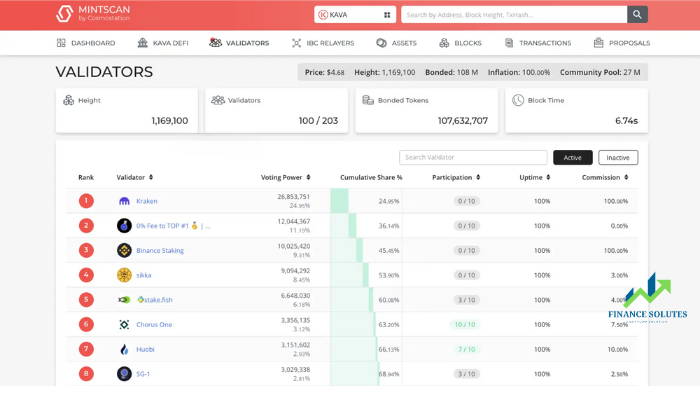
For those who own KAVA Coins, you may consider staking KAVA as an option to earn rewards by sending them through a staking-supporting platform like an exchange. You simply deposit your coins and start receiving rewards. Another option is to delegate your KAVA tokens to a validator and earn rewards from that validator.
You can also run your own KAVA Coin staking node and earn rewards directly from the protocol. KAVA Coin staking is carried out by validators who are blockchain consensus nodes, earning block inflation rewards for exchange. You can check out the active validators here.
4. SHOULD I INVEST IN KAVA COIN?
The answer to this question should be considered after learning more about the development team, the investors behind the KAVA Coin project, as well as the latest KAVA Roadmap. First, let’s take a look at the KAVA coin price chart on TradingView over the past four months to get an overview of the price fluctuations of KAVA Coin:
4.1. Kava Coin Development Roadmap 2022
At this point, all development plans for KAVA Coin in the Roadmap have been marked as completed according to the information on the KAVA website. Essentially, in the remaining three quarters of 2022, the KAVA Coin project will focus on objectives such as:
- Launching the Beta Ethereum Co-Chain Public
- Officially launching KAVA Network 1.0 mainnet
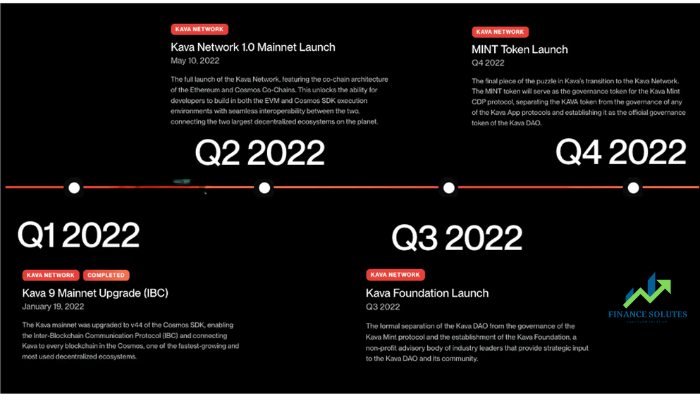
- Launching KAVA Coin mining feature
- For the full details of the latest KAVA Roadmap, you can check here or through KAVA Coin’s posts on Twitter.
4.2. Development Team and Investors of KAVA Coin
KAVA Coin was co-founded in 2018 by Brian Kerr, Scott Stuart, and Ruaridh O’Donnell. Initially, these three co-founders established KAVA Labs with the aim of developing and promoting the creation of the KAVA ecosystem. The project is also advised by leading developers and researchers from well-known projects like Cosmos and Compound Finance, with notable names such as Sunny Aggarwal (Tendermint researcher of Cosmos) and Robert Leshner (Founder and CEO of Compound Finance), who are familiar to those interested in DeFi projects.
5. CONCLUSION
Looking at the recent KAVA coin price chart, it is evident that despite some strong price fluctuations, the price of KAVA Coin has not dropped below $2/token recently, and after each drop, it has regained its position and increased in price. Mentioning this is to highlight the potential for KAVA Coin’s future development. Additionally, understanding KAVA Coin, its token distribution, the main features of the KAVA Network, and the functions of the KAVA ecosystem are essential knowledge that can help investors and traders make informed decisions when considering an investment in KAVA Coin.
- t.me/finance_solutes
- Website: https://finance-solutes.com
- Hotline: +1 929 5636 439 ( Hotline )
- 26 Broadway, Suite 934, New York, 10004, US
