
 XM
XM Bybit
Bybit Binance
 Robinhood
 Webull
 IC Markets
 Pepperstone
 OKX
OKX Vantage
 VT Markets
 BingX
BingX Gate.io
 Kucoin
 MEXC
MEXC Exness
 Bitget
What is Risk Appetite? This is a concept that must be understood when starting to participate in the Forex market, especially in capital management. Additionally, many traders may not distinguish between Risk Appetite and Risk Tolerance. TRADERFOREX will address your concerns related to Risk Appetite, and by the end of this article, you will understand the differences between Risk Appetite and Risk Tolerance.
What is the concept of Risk Appetite?
Risk Appetite, also known as risk preference, refers to the level of risk that an individual or an organization can control when conducting business or making financial investments. Based on the predetermined risk appetite, they can manage their assets and minimize losses during trading or business operations.

When starting a business or making financial investments, especially in Forex, every participant aims for long-term profitability. Determining Risk Appetite helps businesses and individuals assess risk levels within a controllable range. Additionally, by estimating potential risks, we can develop more reasonable and intelligent investment strategies for the future.
How to Calculate Risk Appetite? To determine Risk Appetite, the following factors must be considered: business sector, corporate culture, market competitors, financial capability, etc. Furthermore, Risk Appetite is always adjusted based on changes in these factors and the impact of real-world conditions.
What is the Concept of Risk Tolerance?
To clearly understand Risk Appetite and avoid confusion with other related terms, TRADERFOREX will introduce the concept of Risk Tolerance to ensure clarity.
Risk Tolerance, also known as the level of risk acceptance, is quite self-explanatory. It refers to the level of risk that an individual or organization is willing to accept when entering a business or investment field. Many people confuse Risk Appetite with Risk Tolerance.
In detail, Risk Appetite is a broad, overall risk level planned for the long term. Risk Tolerance, on the other hand, refers to the specific level of risk that can be accepted for each project or period. Simply put, Risk Tolerance is more detailed and applies to shorter investment phases.

An organization sets Risk Appetite for its investment activities over a long-term period. This overall risk appetite is then broken down into different stages, with each investment category having a different level of risk acceptance.
The higher the Risk Tolerance, the more challenges the business or investment category must face. Conversely, if the risk tolerance is low, the portfolio must minimize risks even further, and if risks increase, this portfolio may become unfeasible.
Simply understanding the concept is not enough—many people may still have doubts or misunderstand its meaning. Let’s dive deeper into this topic in the next section.
Similarities and Differences Between Risk Tolerance and Risk Appetite
After exploring the definitions of both terms, we can see that when translated into Vietnamese, both refer to the level of risk acceptance by businesses or individuals when engaging in investment or business activities. However, they should never be confused, as they have distinct characteristics and meanings.
Risk Endurance Level
Risk Appetite evaluates risk acceptance on a broader scale. After analysis and assessment, it provides an overall picture of potential risks in the long term. Risk Tolerance, on the other hand, refers to risk acceptance on a smaller, more detailed scale. It specifically predicts risks for a particular project or stage.
Key Differences Between Risk Appetite and Risk Tolerance
Risk Appetite is considered a risk management tool. Its function is to measure risk levels for businesses and individuals, helping them devise effective operational strategies.
Risk Tolerance is also a risk management tool, but its function is to react quickly to risks, showing the immediate level of risk acceptance when they arise.
Both serve the primary purpose of controlling and managing risks in trading and business activities. These concepts are crucial for institutional and individual investors in financial markets, particularly in Forex. If you want to achieve long-term profits in Forex trading, understanding Risk Appetite and Risk Tolerance is essential.
How to Apply Risk Appetite and Risk Tolerance Correctly
To recap, Risk Appetite and Risk Tolerance are both capital management terms in Forex trading that help develop effective strategies to minimize risk. To implement these concepts, traders must determine their acceptable risk range, which will shape their trading strategies. Even if you struggle to differentiate between the two, doing so will yield better results.
How to Use Risk Appetite?
Risk Appetite is determined based on the initial capital used for trading. If losses exceed the predefined risk appetite, it indicates that your trading strategy has flaws and needs adjustments. As mentioned earlier, calculating Risk Appetite requires considering various influencing factors.
How to Use Risk Tolerance?
Risk Tolerance is defined within a project or short-term period. It represents the maximum loss an investor is willing to endure. For example, traders often use Risk Tolerance to assess potential losses in daily or weekly trading sessions. The more you break down timeframes when determining Risk Tolerance, the better you can avoid excessive risks. This, in turn, helps you gain experience and develop smarter investment plans.
By understanding the meaning and characteristics of each concept, traders can apply them effectively in Forex investments. The more detailed and specific the risk assessment, the faster and more accurate capital management will become.
The Main Levels of Risk Appetite
Below are the key levels of Risk Appetite. Understanding these levels will help traders grasp the concept more comprehensively. Additionally, you will learn why some traders prefer high-risk trading while others are more cautious and opt for lower risk levels. So, what are the main levels of Risk Appetite?
Level: Risk-Seeking
Risk-Seeking, also known as risk-seeking behavior, refers to actively pursuing high-risk opportunities. In simple terms, it means deliberately seeking substantial risks. Risk-Seeking occurs when traders are willing to accept high levels of risk, often making bold and uncertain trading decisions that carry potential dangers. The primary goal, however, is to achieve attractive profits.

Traders at this level focus on maximizing their profits. They tend to seek short-term market changes and are not interested in low-risk assets or capital preservation. As a result, these traders accept high risks to achieve the highest possible returns. However, this approach also comes with a major downside—they may gain significantly or lose everything.
These traders are often attracted to potential markets, believing they can generate high profits and anticipating that prices will not decline. High-risk assets such as volatile stocks or less common currencies from developing economies typically appeal to them. Additionally, Risk-Seeking behavior is often associated with individuals who leave their 9-to-5 jobs to invest or start their own businesses.
Level: Risk-Averse
Risk-Averse is the second level of Risk Appetite and refers to individuals who prefer to avoid risks. This term is the opposite of Risk-Seeking. Traders at this level prioritize capital security over seeking high returns.
In Forex and financial investment in general, risk often implies price adjustments. These fluctuations can indicate either an opportunity or a potential threat to future profits.

Traders at the Risk-Averse level tend to trade cautiously, investing steadily over different periods. They prefer low-risk assets, prioritizing security over rapid profit growth. Even if the returns are small or slow to increase, they consider this approach better than making risky investments.
This investment style is typically associated with stability. While capital growth is slow and modest, it helps traders preserve their funds and avoid significant losses. This Risk Appetite level is best suited for individuals who prioritize safety in their investments.
Assets that attract traders in this category include savings accounts, corporate bonds, and growth stocks. These investment channels are stable and remain within their control. They can exit their investment portfolios whenever they choose.
Level: Risk-Neutral
In Theory
Risk-Seeking traders accept high risks, while Risk-Averse traders prefer to avoid risks as much as possible. Sitting between these two extremes is the Risk-Neutral level, where traders take a balanced approach toward risk. They do not actively seek high-risk investments, yet they are drawn to assets that offer a reasonable level of risk while still providing attractive returns.
Some traders shift from Risk-Averse to Risk-Neutral after realizing that their returns are too low. Finding an optimal balance between acceptable risk and good profit potential can be a better strategy for them
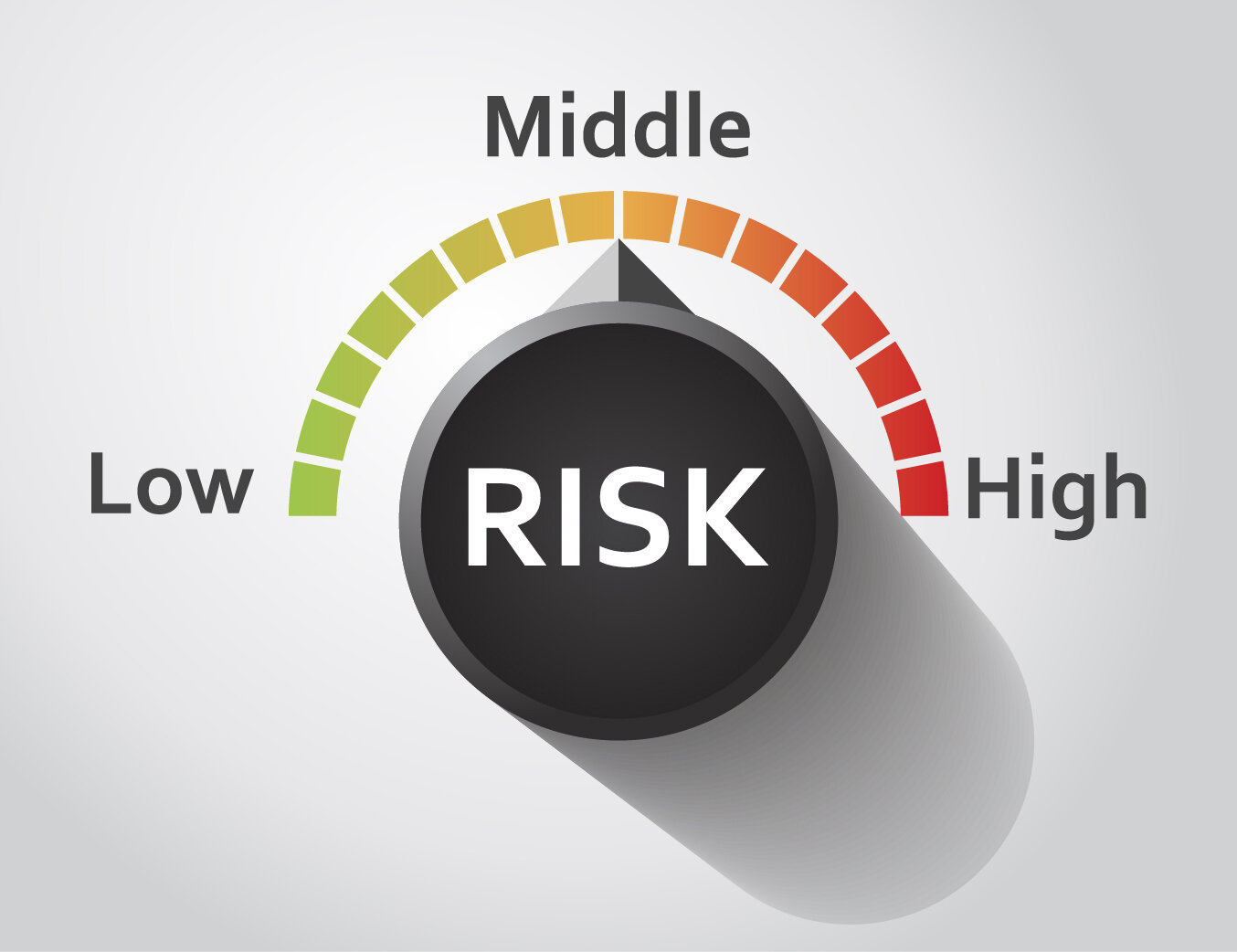
Risk-neutral traders are not interested in investment channels with high risk and uncertain returns. Instead, they focus on assets that offer high returns while maintaining an acceptable level of risk.
In Practice
For example, suppose you have $1,000 and plan to invest in an asset with an expected return of $1,000. Your risk tolerance allows for the possibility of losing all your capital. A survey is conducted with three options:
- Option 1: Reject the plan
- Option 2: Request more detailed information about the plan
- Option 3: Definitely proceed with the plan
Option 1 is chosen by risk-averse traders, as they prefer to avoid risk and prioritize capital preservation. Option 3 is selected by risk-seeking traders, who are willing to risk their entire capital for the chance of high returns. Option 2 is favored by most risk-neutral traders. They require additional information to formulate an effective trading strategy, assess potential returns, and determine an acceptable risk level. Every decision is carefully calculated rather than being immediately accepted or rejected.
In general, risk appetite is categorized into different levels based on each trader’s approach to trading. If you are new to Forex trading, which level should you choose? It is advisable to start with a risk-averse or risk-neutral approach.
- Risk-averse traders gain experience while preserving capital for future investments.
- Risk-neutral traders minimize risk while still targeting their desired profits.
It is crucial not to take excessive risks right from the start. Investing is a form of business, not a gamble based on luck.
However, these are only recommendations from Forex experts for beginner traders. Carefully evaluate your own trading style and risk tolerance before deciding which group you belong to and which trading strategy to follow.
This article has provided insights into Risk Appetite and Risk Tolerance. Now that you understand these concepts, it’s time to develop an effective trading plan. However, this is just the beginning—visit FOREX to explore more knowledge and skills to build a well-rounded investment strategy. Best of luck to all traders!
- t.me/finance_solutes
- Website: https://finance-solutes.com
- Hotline: +1 929 5636 439 ( Hotline )
- 26 Broadway, Suite 934, New York, 10004, US
