
 XM
XM Bybit
Bybit Binance
 Robinhood
 Webull
 IC Markets
 Pepperstone
 OKX
OKX Vantage
 VT Markets
 BingX
BingX Gate.io
 Kucoin
 MEXC
MEXC Exness
 Bitget
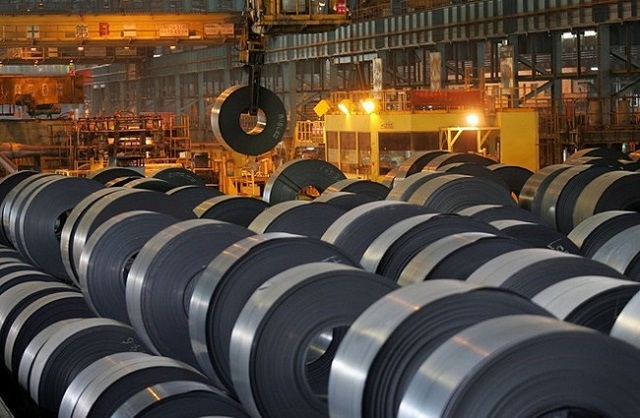
On February 9, U.S. President Donald Trump announced a new 25% tariff on all steel and aluminum imports, a significant step in his ongoing trade policy overhaul. This move, on top of existing metal duties, is set to shake up global trade relations and could lead to considerable shifts in the world economy. The tariffs will primarily affect countries such as Canada, Mexico, and South Korea, as well as international industries relying on these metals. For more on this announcement, check out Reuters Market Coverage.
1. Understanding 25% Steel and Aluminum Tariffs of Trump
The tariffs announced by Trump aim to ensure fair trade practices with U.S. trading partners. According to Trump, the new tariffs on steel and aluminum imports will be officially implemented on Monday, following a series of reciprocal tariffs to be disclosed in the coming days. These reciprocal tariffs are expected to apply to any nation that imposes tariffs on U.S. goods.
Trump emphasized, “If they charge us, we charge them,” reinforcing his stance on fair and reciprocal trade. You can find more details on Trump’s trade policy overhaul in this Reuters article.
2. Key U.S. Trading Partners Affected by the 25% Tariffs
Countries that export significant amounts of steel and aluminum to the U.S. are likely to face substantial trade disruptions. These include:
- Canada
- Brazil
- Mexico
- South Korea
- Vietnam
Canada is particularly impacted, providing 79% of the U.S. aluminum imports in 2024, highlighting the close trade relationship between the two nations. For specific data on U.S. imports and trade partners, refer to the American Iron and Steel Institute.
3. Global Reactions to Trump’s 25% Tariffs
International reactions have been swift. Canadian Innovation Minister Francois-Philippe Champagne stated on X (formerly Twitter):
“Canadian steel and aluminum support key industries in the U.S., from defense to auto manufacturing. We will continue to stand up for Canada, our workers, and our industries.”
Quebec Premier Francois Legault also voiced concerns, noting:
“Quebec exports 2.9 million tons of aluminum to the U.S., meeting 60% of their needs. Do they prefer to get supplies from China?” For more international responses, read this Reuters report.
4. Market Impact of Trump’s Tariffs on Steel and Aluminum
The announcement of the 25% tariffs triggered a negative reaction across the stock markets. The Dow Jones Industrial Average, S&P 500, and Nasdaq Composite all saw declines. At the same time, some U.S. companies that rely on steel and aluminum saw a boost in their stock values.
- U.S. Steel (X.N): +3.8%
- Alcoa (AA.N): +5.4%
- General Motors (GM.N): -2.6%
- Ford (F.N): -3.1%
The market also saw an increase in volatility, with the Cboe Volatility Index (VIX) rising 7.2%. For the full stock market reaction, visit Reuters Markets.
5. Stock Movements Following the Tariff Announcement
- U.S. Steel (X.N): +3.8%
- Alcoa (AA.N): +5.4%
- General Motors (GM.N): -2.6%
- Ford (F.N): -3.1%
The Cboe Volatility Index (VIX) surged 7.2%, reflecting increased market uncertainty. For a deeper dive into stock movements, refer to this Reuters analysis.
6. Potential for Escalated Trade War and Economic Consequences
Trump’s imposition of 25% tariffs could spark further global trade tensions, potentially escalating into a full-scale trade war. Countries such as China, the EU, and Canada may retaliate with their own tariffs, as they did following Trump’s 2018 tariff measures.
These tensions are a significant concern for businesses dependent on international trade, as they could lead to supply chain disruptions and higher prices. For more details on the potential trade war, see the full report by Reuters.
7. Impact on the Auto Industry and Border Policy
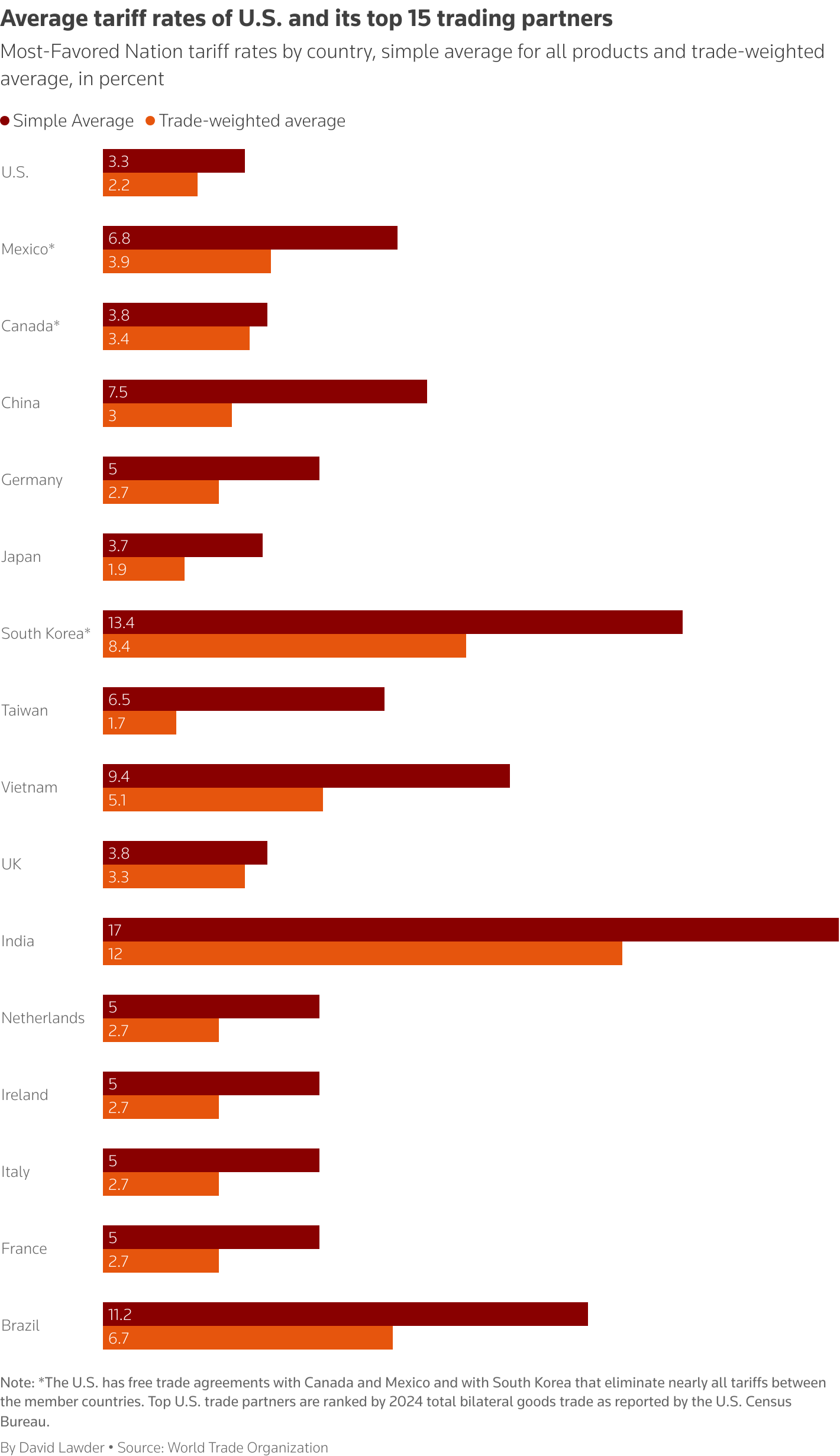
Trump has also pointed out that the EU imposes a 10% tariff on auto imports, while the U.S. only imposes 2.5%. He defended the 25% tariff on pickup trucks, which benefits Detroit’s automakers.
In addition, Trump warned that unless Mexico and Canada take stricter actions against illegal immigration and drug trafficking, he would impose 25% tariffs on all imports from these countries starting on March 1. For more on the auto industry and border policies, read this Reuters report.
Conclusion – What’s Next for Global Trade Amid Tariff Uncertainty?
Trump’s 25% steel and aluminum tariffs are set to reshape global trade relations. With concerns over trade wars, retaliatory tariffs, and market volatility, businesses will need to prepare for potential disruptions in the supply chain and rising prices.
For more insights on how global trade policies are evolving, visit Reuters Market Coverage.
Want to understand how these tariffs affect your business? Contact us today for expert insights into global trade and economic forecasts.
EXPLORE MORE LATEST NEWS RIGHT HERE!
- Forex: Get the latest trends and effective trading strategies
- Crypto: Stay updated on the hottest cryptocurrency market news
- Stock & Commodities: Discover potential investment opportunities
- Trading Brokers: Choose reliable brokers for your trades
- Expert Advisor: Smart tools to assist your trading
- Finance News: 24/7 updates on financial news
DON’T MISS OUT, CLICK AND READ NOW!
- t.me/finance_solutes
- Website: https://finance-solutes.com
- Hotline: +1 929 5636 439 ( Hotline )
- 26 Broadway, Suite 934, New York, 10004, US
