
 XM
XM Bybit
Bybit Binance
 Robinhood
 Webull
 IC Markets
 Pepperstone
 OKX
OKX Vantage
 VT Markets
 BingX
BingX Gate.io
 Kucoin
 MEXC
MEXC Exness
 Bitget
What is the Spot Market – The Spot Market, also known as the Immediate Delivery Market, is a public financial market where financial instruments such as commodities, currencies, and securities are bought or sold for immediate delivery. In this market, transactions are settled instantly, meaning the exchange of the asset and payment happen right away, typically within two business days.
You may have encountered the term “spot market” before and wondered what it really means and how it works. Today’s article will help clarify these questions and also explore the differences between the spot market and the futures market, so traders can better answer the question: “Should I trade the Spot or Futures market?”

1. What is the Spot Market?
The Spot Market is a public financial market where commodities, currencies, stocks, and other financial instruments are bought and sold for immediate delivery. In this market, the transaction happens at the current market price, and the exchange is completed immediately, which is often referred to as “spot trading.” In some cases, the delivery may happen within a few business days.
The term “spot market” is also used in other industries such as transportation and logistics. In logistics, for example, spot market transactions refer to the immediate exchange of goods, with trucks carrying products and delivering them the same day. Spot trading in this context involves short-term orders at prevailing market prices.
2. What is Spot Trading?
Similar to the spot market definition, Spot Trading refers to trading within the spot market. This term specifically relates to the exchange of currencies, commodities, or other financial assets in compliance with the spot market’s operational mechanism. Spot trading typically involves the exchange of assets where the settlement and delivery happen quickly, often within a couple of days after the transaction.
In summary, spot trading allows traders to buy or sell assets for immediate delivery at current prices, making it a straightforward and quick process compared to other types of trading.

A spot transaction is an exchange of financial instruments that are settled almost immediately.
As mentioned earlier, spot trading can be applied to various financial instruments. Many may wonder, “What does spot mean in cryptocurrency?” and whether spot trading in crypto differs in any way. The answer is no. Spot trading in cryptocurrencies works in the same way as spot trading in other financial instruments—it’s the exchange of digital currencies at the prevailing market price.
3. What is the Spot Market – How Does the Spot Market Work?
The Spot Market is also known as the Cash Market or Physical Market, where the exchange of goods and payment happens immediately. However, in most organized markets, the settlement and transfer of assets typically take two business days (T+2). Still, the contract between the buyer and seller is executed and becomes effective right away.
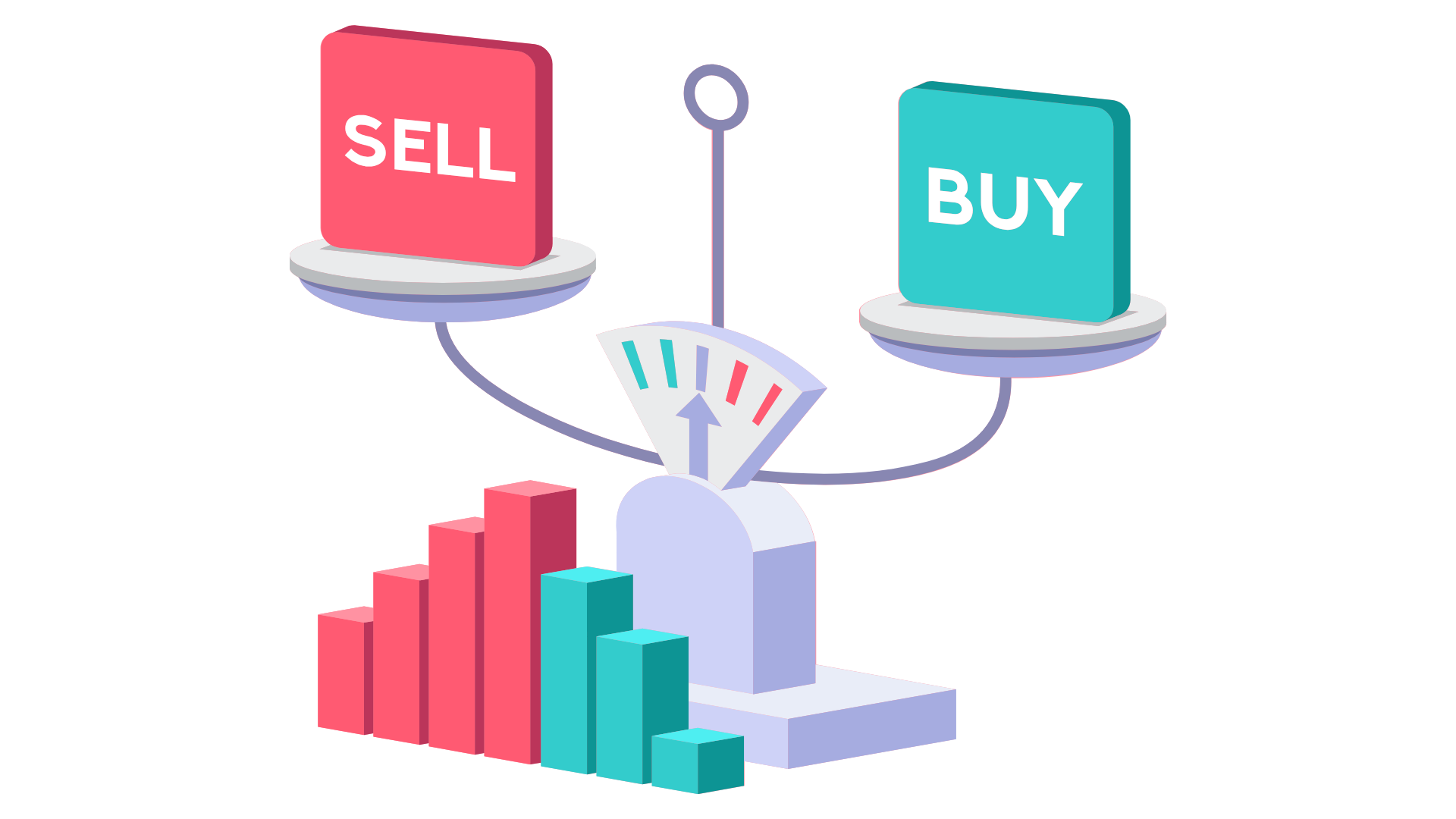
This contrasts with the Futures Market and the Forward Market, where parties agree to trade at a future price, and the transfer of ownership and goods occurs at a later time. In the futures/forward markets, the contract is made today, but payment and delivery are set for a future date.
Thus, unlike in futures markets, where transactions are executed today but settled in the future, the spot market deals with immediate delivery and payment, and transactions can occur anywhere.
3.1. Types of Assets Traded in the Spot Market
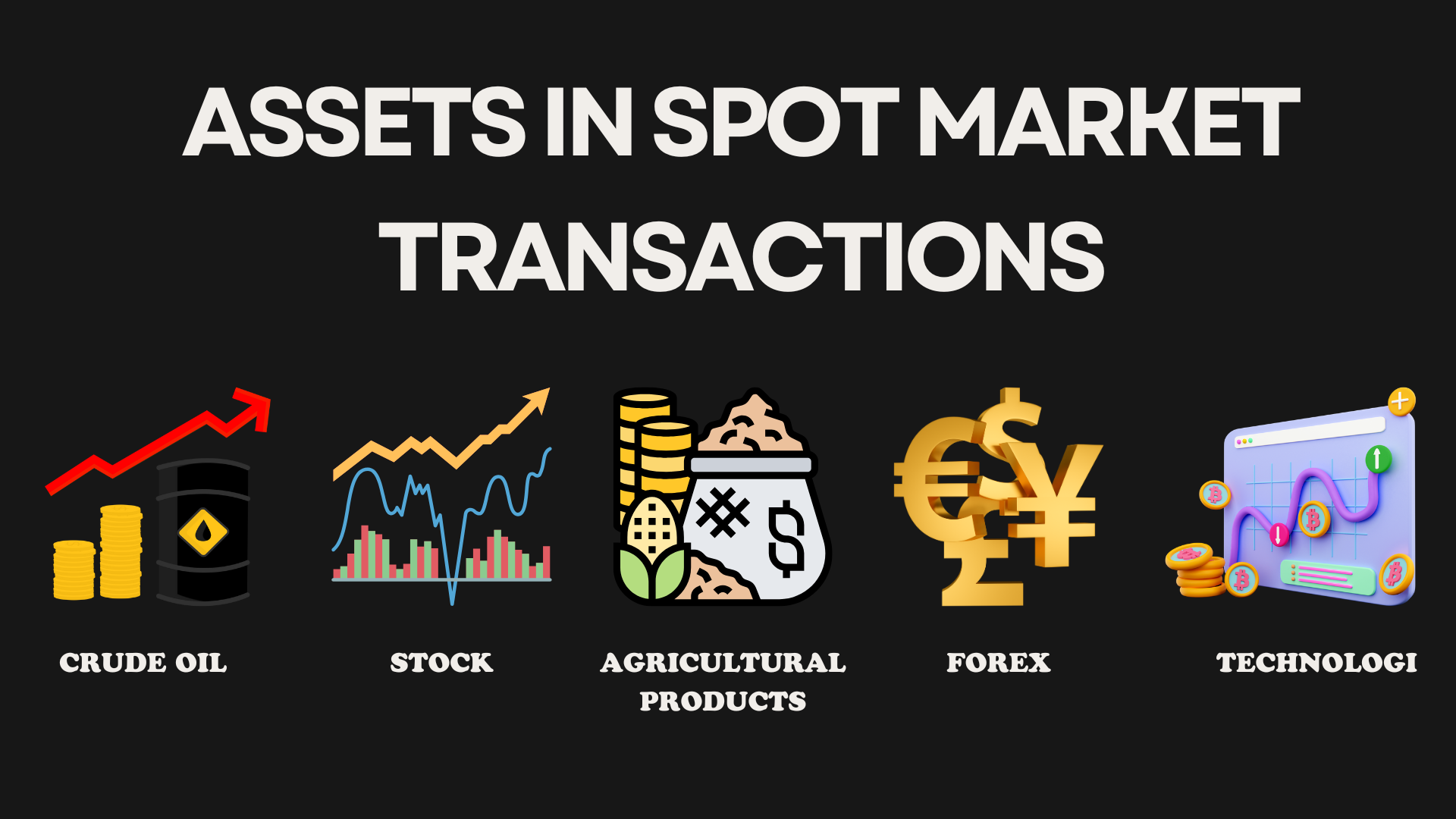
Assets traded in the spot market include equities, fixed-income instruments such as bonds and treasury bills, and forex. Commodities are also traded in the spot market, including energy, metals, agriculture, and livestock. The spot market also handles both perishable and non-perishable goods.
The Forex Market and Spot Trading
The forex market, where traders exchange different currency pairs, is one of the largest spot markets in the world, with daily trading volume exceeding $6 trillion. This makes it the most traded asset class globally.
Commodities are standardized for efficient trading in the spot market. Crude oil is one of the most traded commodities. Recently, technology-related items, such as bandwidth and mobile minutes, have been introduced as commodities in spot markets.
3.2. Characteristics of the Spot Market
- Spot Price: Transactions are settled at a price known as the spot price or spot rate.
- Immediate Settlement: Asset transfers are made immediately or within T+2 (two business days).
- Payment: Payments are made instantly or within T+2 days.
3.3. What is the Spot Market – Examples of Spot Market
Exchanges bring together brokers and traders to buy and sell commodities, stocks, futures contracts, options, and other financial instruments. These exchanges provide current prices and available quantities for traders who have access to the market based on all the orders placed by participants.
- New York Stock Exchange (NYSE) is an example of a spot market where traders buy and sell stocks.
- Chicago Mercantile Exchange (CME) is an example of a futures market where traders buy and sell futures contracts.
3.3.1. Example of Stock Trading
Let’s say an investor (Mr. John) wants to buy 1,000 shares of Apple (AAPL) on the NASDAQ Stock Exchange. He contacts his broker to buy the shares at the market price.
Suppose the market price is $151.12. The payment of $151,120 is made immediately by the broker to the seller, and the ownership of the shares is transferred to Mr. John once the seller receives the payment.
3.3.2. Example of Currency Exchange
Imagine a furniture store in the UK offers a 30% discount to all international customers who pay within five working days after placing an order.
Dane, the owner of a furniture store in the US, decides to place an order worth $10,000 on the website. She needs to buy Pounds (GBP) to make the payment and accepts the exchange rate of GBP/USD = 1.1233. She proceeds with a transaction to sell $10,000 and buy 8,902.34 GBP. The transaction is settled within two business days. Dane receives the 8,902.34 GBP, makes her payment to the UK store, and secures the 30% discount.
4. Should You Trade Spot Market or Futures Market?
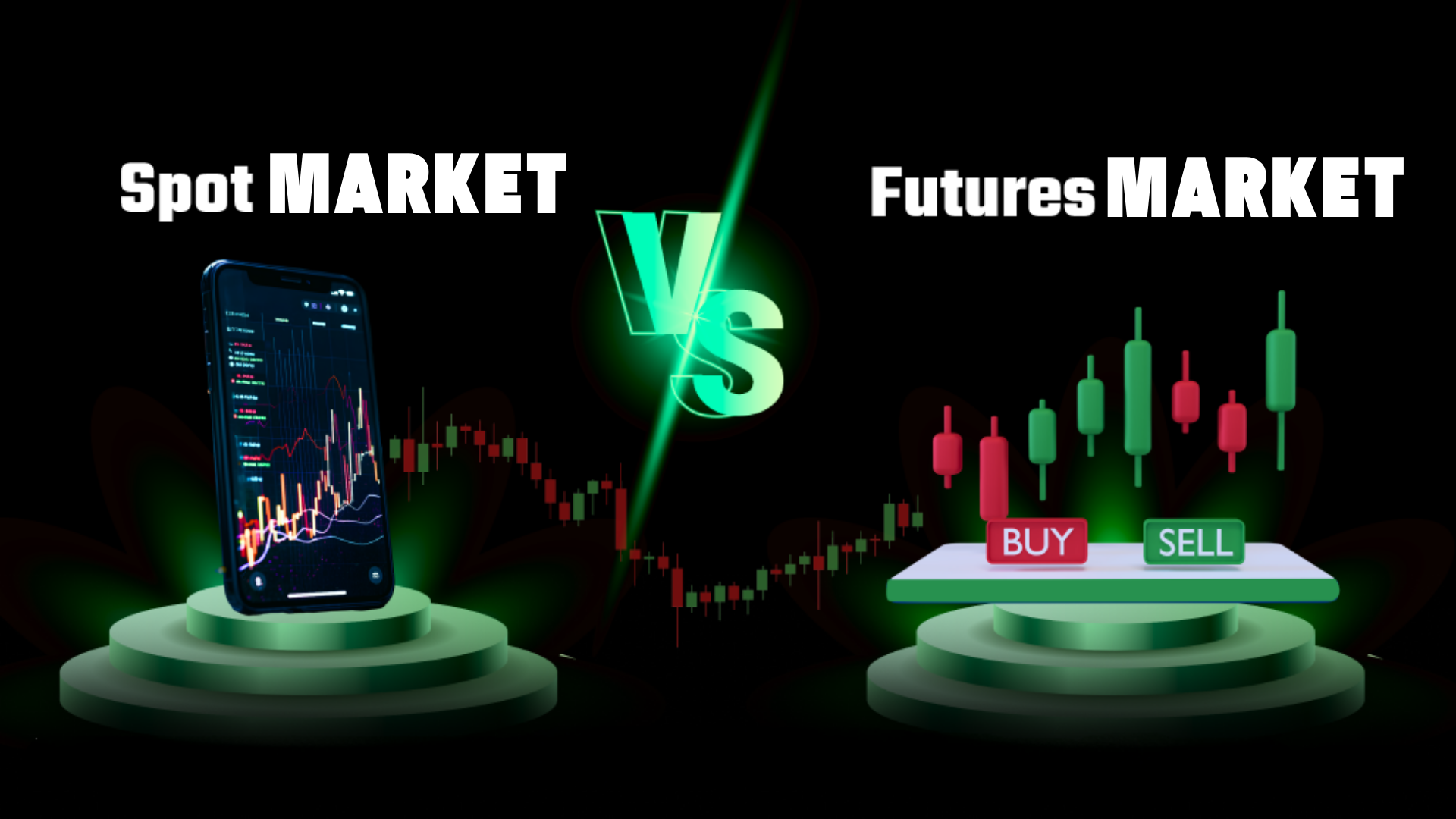
Along with the Spot Market, the Futures Market is another commonly known term among investors and traders. So, what is the difference between these two markets? Should traders choose the Spot or Futures market?
Before answering these questions, let’s explore some key concepts that you must know when trading in both the spot market and the futures market.
4.1. What is Spot Price?
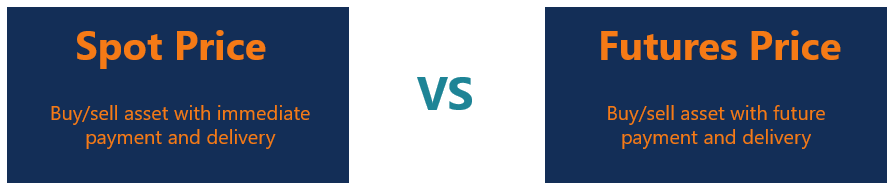
Spot Price is the current market price at which assets or commodities can be bought or sold immediately. A typical example is stock prices. When you buy or sell a certain number of shares at the listed price, the stocks or money are transferred to your account right away.
In liquid markets, spot prices can fluctuate every second, as new orders are placed and executed in real time.
Although the spot price may vary over time and across geographical regions, it is generally quite uniform across financial markets. This consistency helps prevent market participants from exploiting price differences for the same asset in different markets.
4.2. What is Futures Price?
Futures Price refers to the price applied to transactions involving commodities or assets that will be executed at a specific time in the future. The futures price is calculated from the current market price, with added costs for delivering the goods or assets at that future point in time. These costs may include transportation, insurance, and other factors related to the time and terms of the contract.
This cost can include storage fees (for commodities), insurance costs, interest rates, and other incidental expenses.
For example, let’s assume the current price of crude oil is $1,200 per barrel, and the storage cost is $5 per barrel for six months. Then, the futures contract for crude oil with a six-month maturity would be valued at $1,206.51, assuming an interest rate of 0.25% (= ($1,200 + $5) * e^(0.0025 * 0.5)).
4.3. A Summary of 3 Key Differences Between Spot Market and Futures Market
Based on the previous explanation by TradaFX, you may already have a basic understanding of the differences between the Spot Market and the Futures Market. Here are three key differences between these two markets:
4.3.1. Costs
The price of a futures contract is based on the spot price or the current market price. The price in a futures contract will reflect the predicted supply and demand for that particular asset or commodity.
For example, if crude oil production is disrupted, it may signal a future shortage of crude oil, which would drive the price of crude oil up significantly.
As mentioned earlier, the spot price may also include additional costs such as storage fees, insurance, and other costs until the delivery is made to the buyer.
Futures contracts for indices on over-the-counter (OTC) exchanges do not incur swap fees (interest for holding positions overnight).
Additionally, the concepts of “leverage” and “margin” in futures contracts function differently from the leverage known in Forex. In the futures market, each contract controls a specific quantity of goods or assets.
For example, a futures contract for crude oil might stipulate a trade of 1,000 barrels at $50 per barrel. The value of the standard futures contract in this case would be $50,000. Here is an example of a futures contract:

4.3.2. What is the Spot Market – Trading Time and Expiration
Another key difference between spot and futures trading lies in the trading time and contract expiration. The Spot Market is set up to allow transactions to happen “on the spot” and “immediately.”
The spot price refers to the current market value of a specific asset, which can fluctuate in real-time based on market demand.
In contrast, futures markets rely on contracts between traders to determine the price of a transaction at a specific point in the future. The price is agreed upon before the trade occurs, with buyers hoping that the price will rise over time, and sellers hoping to finish the trade with a profit.
Spot trading has no expiration date, whereas futures contracts expire at a specific time as stipulated in the agreement.
4.3.3. Risk Hedging
Hedging involves holding two or more positions simultaneously in order to offset any losses or risks from one position with profits from another. Therefore, you can protect a spot position from risks with a futures position.
Traders also use the futures market as a way to hedge against risks that could negatively affect the spot market.
For example, if you believe the price of gold will fall, you can sell your position in gold on the futures market. Conversely, if you believe gold prices will rise, you can buy and hold your position over time.
4.3. Advantages and Disadvantages of Spot Market
Advantages
- Transparent and public market, easy to execute trades.
- Transactions can be paid and completed immediately.
- No minimum capital requirement.
- Flexible market with high liquidity.
- Traders can hold or enter into a new agreement if the current price and terms are favorable.
Disadvantages
- Trading in the spot market can involve significant risks, especially with volatile assets.
- Spot market is less likely to be used for long-term planning.
- Spot market exchange rates can be vulnerable to risks like default or bankruptcy by a partner.
- In many cases, delivery must be made on-site (e.g., crude oil).
5. What is the Spot Market – Summary
Through this article, I hope you now have a clear understanding of what the Spot Market is, along with its pros and cons. Additionally, you should have a better idea of the types of assets traded in this market to make an informed trading decision.
With the advantages and disadvantages outlined, along with the comparison between Spot and Futures Markets, each market suits different types of traders.
However, there’s no rule preventing traders from participating in both markets at the same time. Traders can engage in spot trading while hedging risks with futures contracts.
No matter which market you invest in, always make sure to have solid risk management skills for your forex trades.
Good luck!
- t.me/finance_solutes
- Website: https://finance-solutes.com
- Hotline: +1 929 5636 439 ( Hotline )
- 26 Broadway, Suite 934, New York, 10004, US
